
EXPLORE MONTENEGRO
MONTENEGRO: ADRIATIC BEAUTY, MOUNTAIN DRAMA
Montenegro is a small country with an extraordinary variety of landscapes, cultures and historical monuments. Situated on the eastern Adriatic coast, it combines beaches and medieval towns with dramatic mountains, deep river canyons, glacial lakes and ancient monasteries. Although it covers only about 13,812 square kilometres, Montenegro has 293 kilometres of coastline and five national parks. Its highest mountains rise above 2,500 metres, while the Adriatic coast enjoys a Mediterranean climate. For tourists, this remarkable geographical diversity means that a single holiday can include swimming in the Adriatic, exploring Venetian architecture, visiting Orthodox monasteries and hiking through spectacular alpine scenery.
HISTORY
Montenegro has a long and complex history. The earliest known peoples in the region included Illyrian tribes, followed by Roman rule and later Byzantine influence. Slavic states emerged during the medieval period, with Duklja and subsequently Zeta becoming important political centres.
During the later medieval and early modern periods, Montenegro developed a reputation for its mountainous terrain, independent communities and resistance to Ottoman expansion. The historical capital of Cetinje became the political and spiritual centre of the country and remains one of the most important places for understanding Montenegrin history.
Montenegro received international recognition as an independent state in 1878 and became a kingdom in 1910. After the upheavals of the twentieth century and its incorporation into Yugoslavia, Montenegro eventually restored its independence following a referendum in 2006. This history has left the country with a fascinating mixture of Roman, Byzantine, Venetian, Ottoman and Slavic influences.
GEOGRAPHY AND TOPOGRAPHY
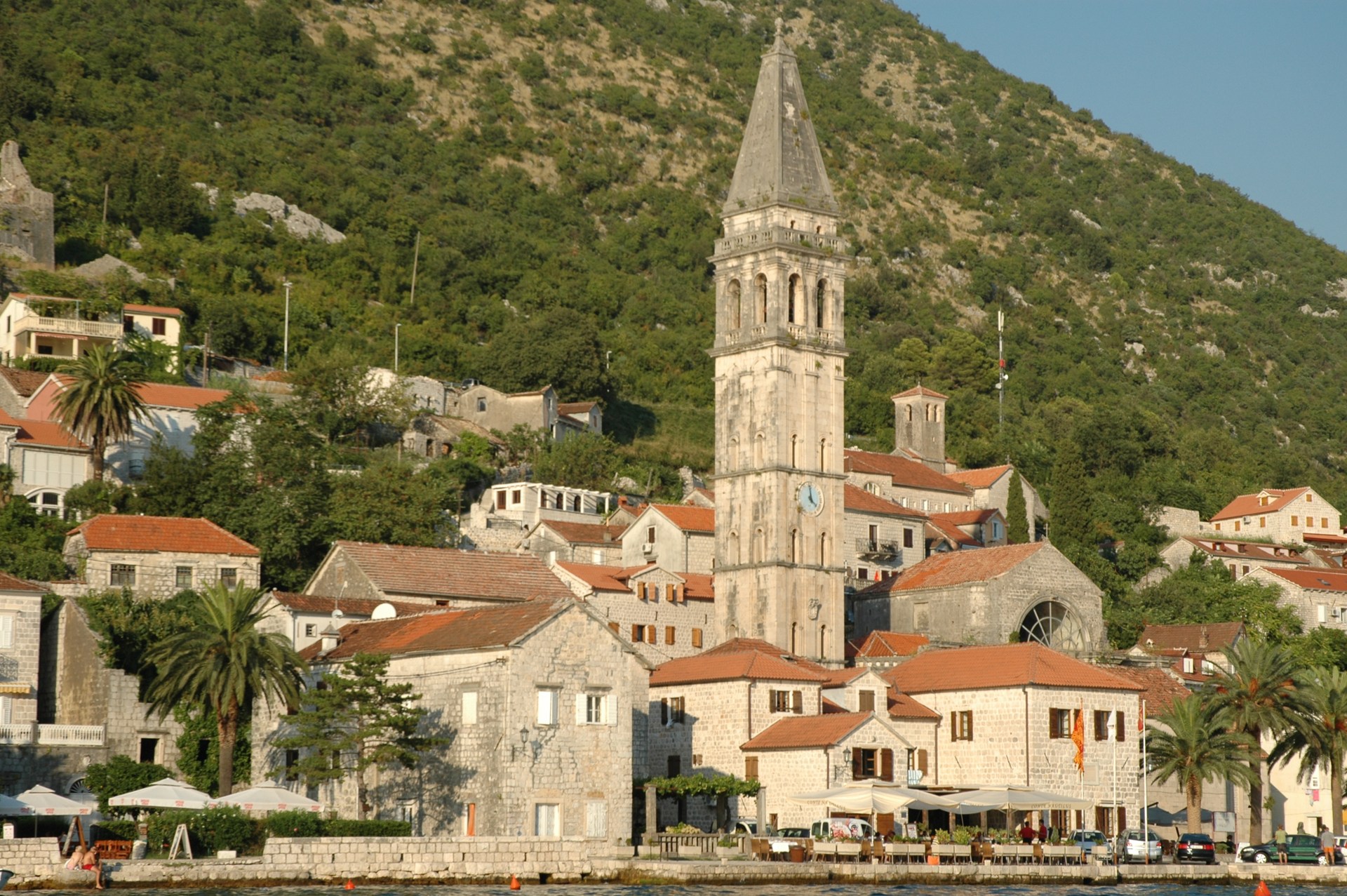
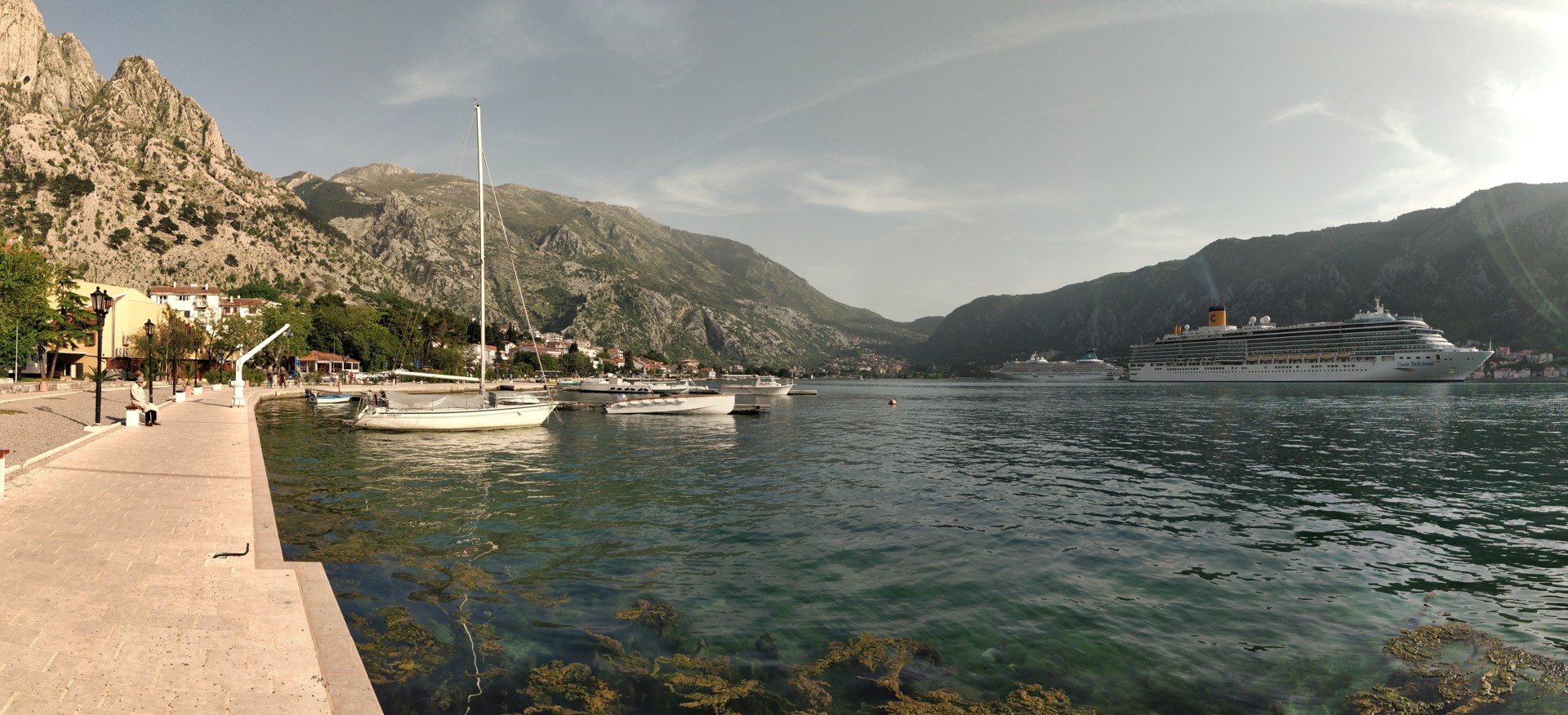
Montenegro's greatest attraction is perhaps its spectacular topography. The country lies between the Adriatic Sea and the Dinaric Alps, producing dramatic contrasts over relatively short distances. The Bay of Kotor (Boka Kotorska) is surrounded by steep mountains that rise dramatically from the water. The UNESCO-listed Kotor region combines spectacular scenery with historic towns, palaces, churches and fortifications.
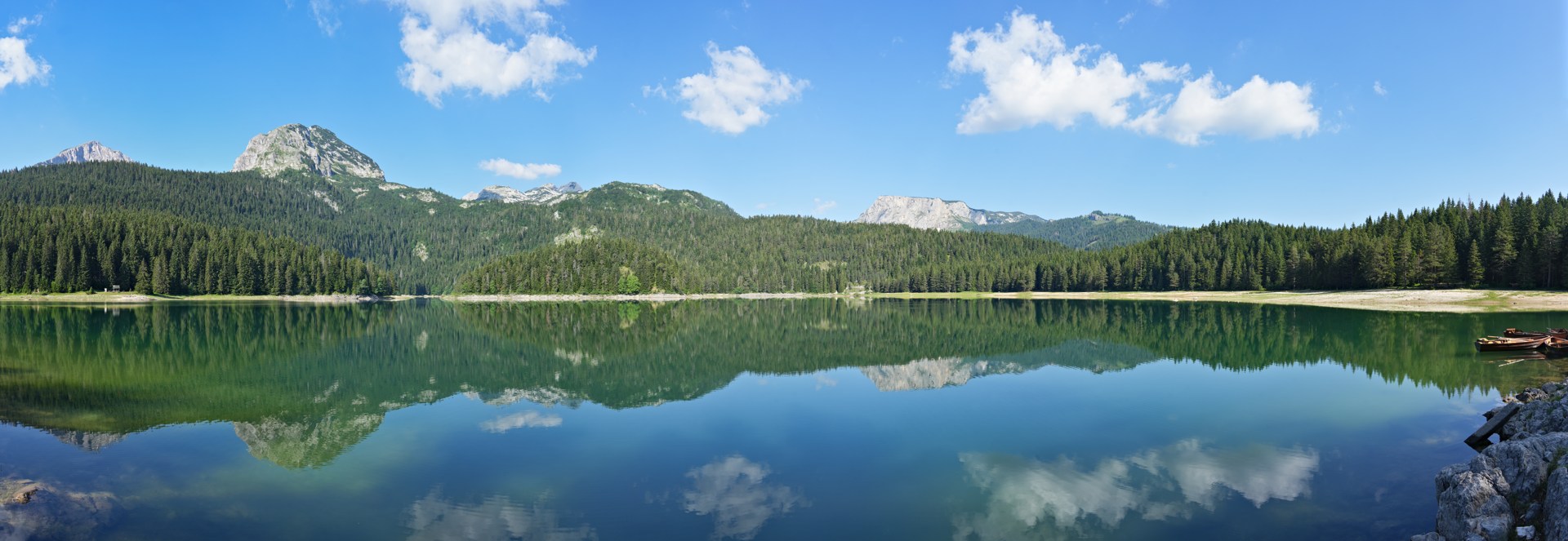
In northern Montenegro, Durmitor National Park is the country's great mountain destination. The park contains more than fifty peaks above 2,000 metres, glacial lakes, forests, alpine meadows and enormous river canyons. Bobotov Kuk reaches approximately 2,525 metres. The Tara River has carved a canyon regarded by UNESCO as Europe's deepest gorge, making the region particularly popular for hiking, rafting, climbing and other outdoor activities.
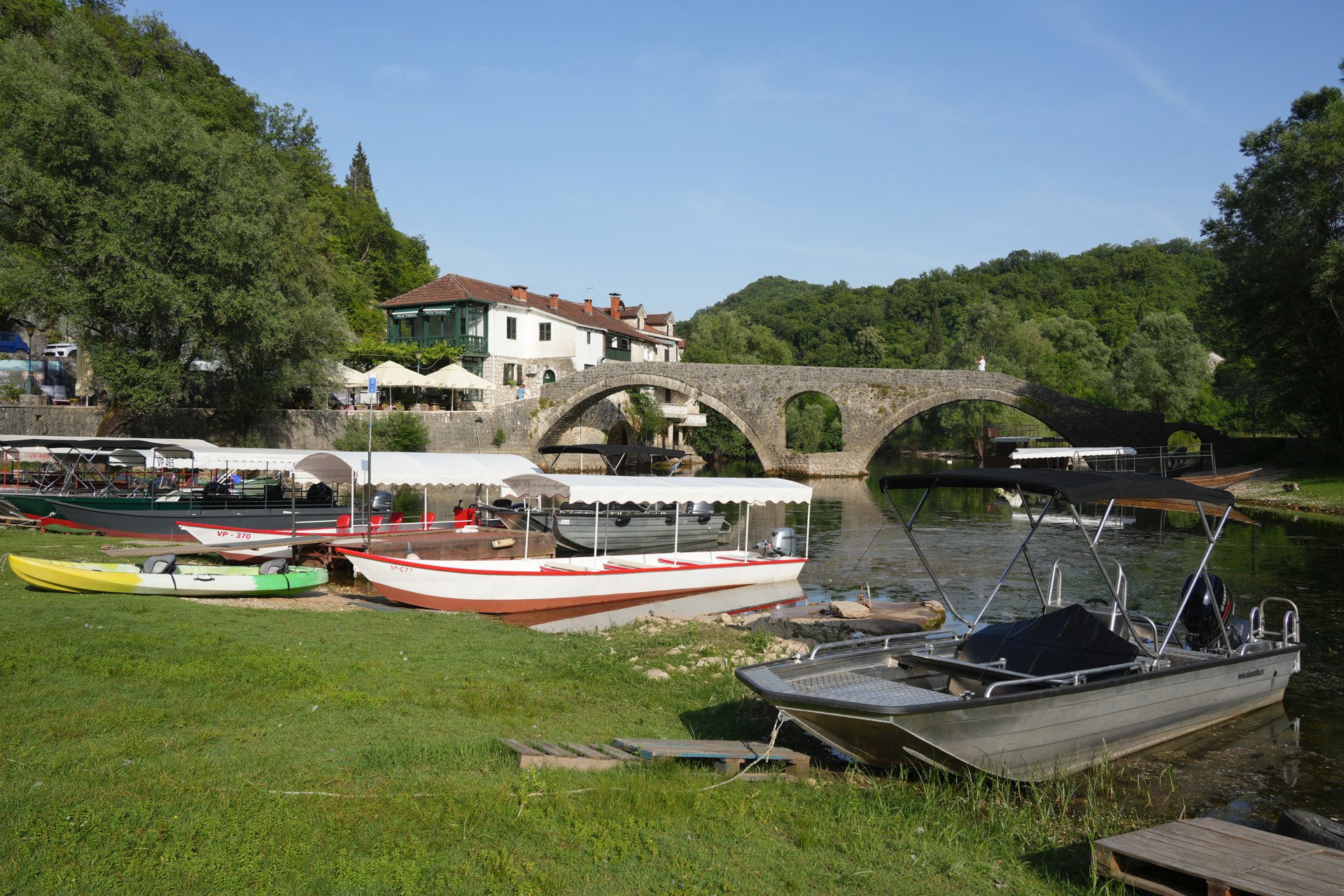
Other important natural areas include Biogradska Gora National Park, known for its ancient forest; Lovćen National Park, associated with Montenegrin history and identity; Skadar Lake National Park, famous for wetlands and birdlife; and Prokletije National Park, where some of Montenegro's highest and wildest mountains are found.
Explore
THE MANY FACES OF MONTENEGRO
A small country of extraordinary contrasts — from the stone towns of the Adriatic to glacial lakes, deep canyons and rugged mountain peaks.
ADRIATIC BAYS
Kotor, Perast and the winding Bay of Kotor combine waterfront beauty with Venetian architecture and centuries of maritime history.
HIGH MOUNTAINS
Durmitor's peaks, forests and glacial lakes open onto hiking trails, viewpoints and the immense Tara River Canyon.
LAKES & WETLANDS
Lake Skadar brings a quieter landscape of fishing villages, birdlife, monasteries and broad reflections beneath the mountains.
CULTURE AND RELIGION
Montenegrin culture reflects centuries of contact between the Mediterranean, Balkan, Slavic, Venetian and Ottoman worlds. Hospitality, family, traditional music and heroic poetry have traditionally played an important role in society. The gusle, a single-stringed traditional instrument, is associated with epic songs and stories, while the Crnogorsko oro, or Montenegrin circle dance, is an important traditional performance.
Religion is also an important part of the country's cultural landscape. Montenegro is religiously diverse, with Orthodox Christianity predominant but significant Catholic and Muslim communities. The country contains hundreds of Orthodox churches and monasteries, more than 100 Catholic places of worship and more than 100 mosques.
Among the most important religious destinations is Ostrog Monastery, dramatically built into a near-vertical cliff and one of the most famous Orthodox pilgrimage sites in the Balkans. Cetinje Monastery is another major spiritual and historical centre. In coastal areas, Catholic churches and Venetian-influenced architecture demonstrate the long connection between Montenegro and the Adriatic world.
FOOD AND WINE
Montenegrin cuisine combines Balkan, Mediterranean and mountain traditions. Meat, fish, cheese, bread and locally grown vegetables are central to traditional meals. Visitors should try Njeguški pršut, a famous air-dried ham, and Njeguški cheese, produced in the mountainous region around Njeguši. Other traditional foods include lamb, mutton, grilled meats, freshwater and Adriatic fish, hearty stews and dishes prepared with local herbs and dairy products.
The coast has a distinctly Mediterranean culinary character, with seafood, olive oil and vegetables featuring prominently. Around Lake Skadar, freshwater fish is particularly important. Montenegro also has a growing reputation for wine, especially Vranac, a distinctive red grape variety. Wine routes and local wineries provide an opportunity to experience the agricultural traditions of the country alongside its scenery.
ART AND ARCHITECTURE
Montenegro's art is closely connected with its religious, maritime and historical traditions. Kotor was an important medieval artistic and commercial centre, developing distinctive schools of masonry and icon painting. Its churches, palaces and defensive walls demonstrate the influence of Mediterranean and Venetian architecture. UNESCO describes the Kotor region as an exceptional combination of monuments, settlements and cultivated landscapes.
Cetinje is another major cultural centre, containing museums, historic royal buildings and galleries. Religious art is especially significant, with monasteries containing frescoes, icons and other sacred works. The medieval stećci, or decorated stone tombstones, found in parts of Montenegro are another important example of the region's historical artistic heritage and form part of a transnational UNESCO World Heritage site.
MAJOR CITIES AND MUST-SEE PLACES
The main destination on the tourist trail is Kotor, whose fortified Old Town is one of Montenegro's greatest attractions and part of the UNESCO World Heritage-listed Kotor region. Visitors should explore its narrow medieval streets, Cathedral of Saint Tryphon, churches and city walls, and climb towards the San Giovanni Fortress for spectacular views across the bay.
Nearby Perast is a beautiful historic waterfront settlement famous for its baroque buildings and the islands of Our Lady of the Rocks and St George. Herceg Novi, near the entrance to the Bay of Kotor, is another attractive coastal town, known for its old streets, steps, fortifications and Mediterranean gardens.
Budva is one of Montenegro's principal seaside resorts. Its Old Town, surrounded by medieval walls, contrasts with modern hotels, beaches, restaurants and nightlife. The nearby island of Sveti Stefan, although access arrangements can vary, has become one of Montenegro's most recognisable images.
Cetinje, the historic royal capital, is essential for visitors interested in national history and culture. Nearby Lovćen National Park contains the monumental mausoleum of Petar II Petrović-Njegoš at the summit of Mount Lovćen, offering magnificent views across the surrounding mountains.
Podgorica, the modern capital, is the country's administrative and economic centre. Although less historic in appearance than Kotor or Cetinje, it provides access to nearby attractions such as ancient Roman sites, Lake Skadar and the Morača region.
Further south, Bar combines a modern coastal town with the atmospheric ruins of Stari Bar, an ancient fortified settlement at the foot of Mount Rumija. Nearby is the famous ancient Old Olive Tree, traditionally regarded as one of Europe's oldest olive trees. Ulcinj, close to the Albanian border, offers a distinctive multicultural atmosphere, an Ottoman-influenced old town and long sandy beaches, including Velika Plaža.
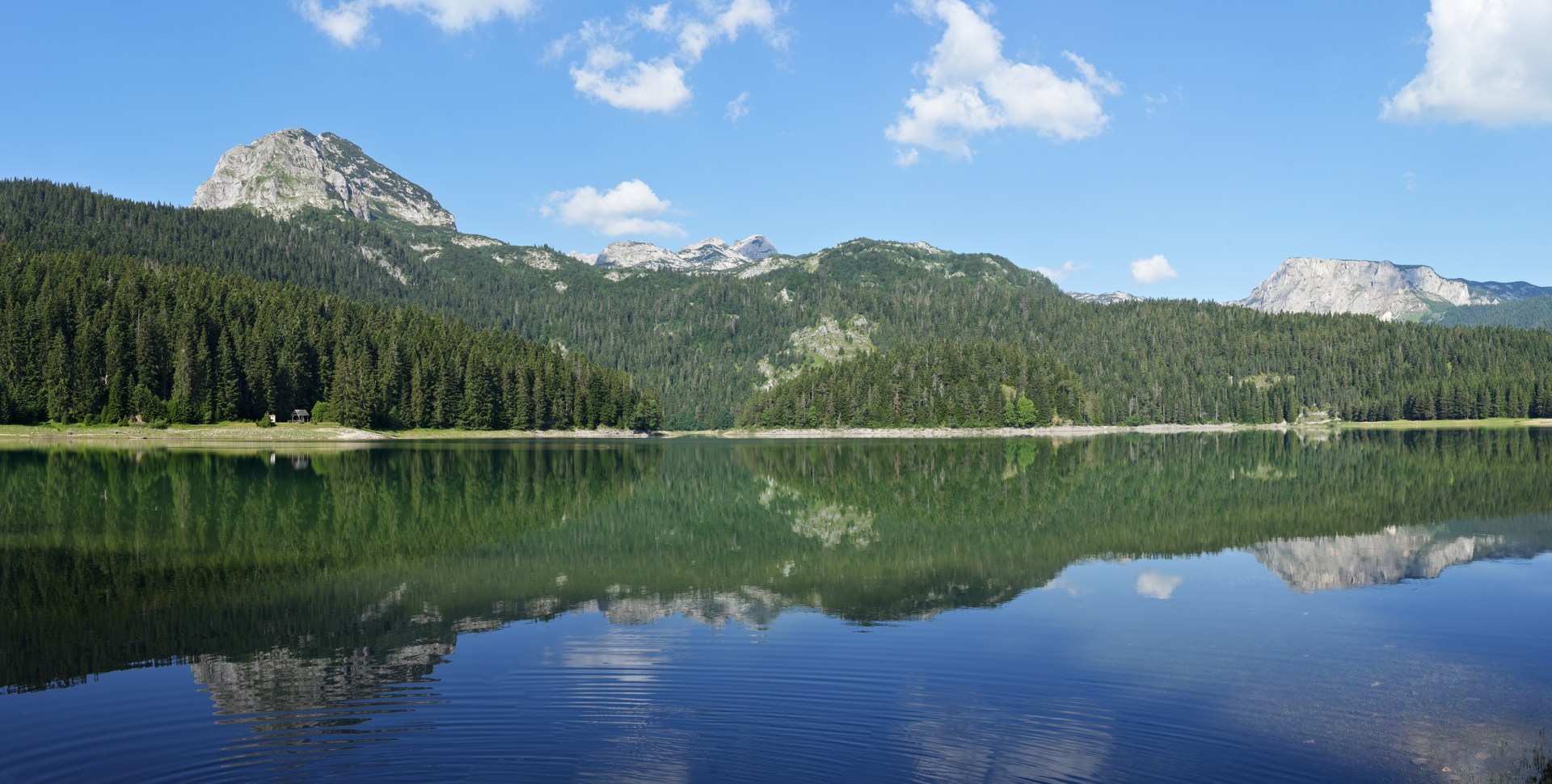
In the north, Žabljak is the principal base for exploring Durmitor National Park. The nearby Black Lake (Crno Jezero), Tara Canyon and mountain trails are among Montenegro's outstanding natural attractions. For adventure tourism, rafting on the Tara River is particularly popular.
YOUR MONTENEGRO JOURNEY
Montenegro's appeal lies in the extraordinary variety contained within a very small country. The tourist trail can move from the medieval streets of Kotor and the beaches of Budva to the monasteries of Cetinje and Ostrog, then onwards to the mountains and canyons of Durmitor. Its combination of history, dramatic geography, religious heritage, traditional food, art and welcoming coastal and mountain communities makes Montenegro one of the most diverse destinations in the Balkans. For a first visit, Kotor, Perast, Budva, Cetinje, Lovćen, Ostrog, Skadar Lake, Bar and Durmitor National Park provide an excellent introduction to the country's principal historical, cultural and natural attractions.
Cultural
Cultural Essence
MONTENEGRIN CUISINE
Montenegrin food changes with the landscape. The coast favours fresh fish, seafood, olive oil and herbs, while the mountains bring smoked ham, cheeses, lamb and slow-cooked dishes. Njeguški pršut and local wines are regional signatures.
COASTAL & HIGHLAND TRADITIONS
Maritime customs, Orthodox festivals, epic poetry, music and circle dances connect coastal towns with the mountain interior. Stone architecture, traditional dress and village hospitality keep these identities tangible.
PLAN YOUR VISIT WITH A BALKAN EXPERT
For more detail about Montenegro, or to combine your visit with other Balkan destinations, get in touch with our local experts.
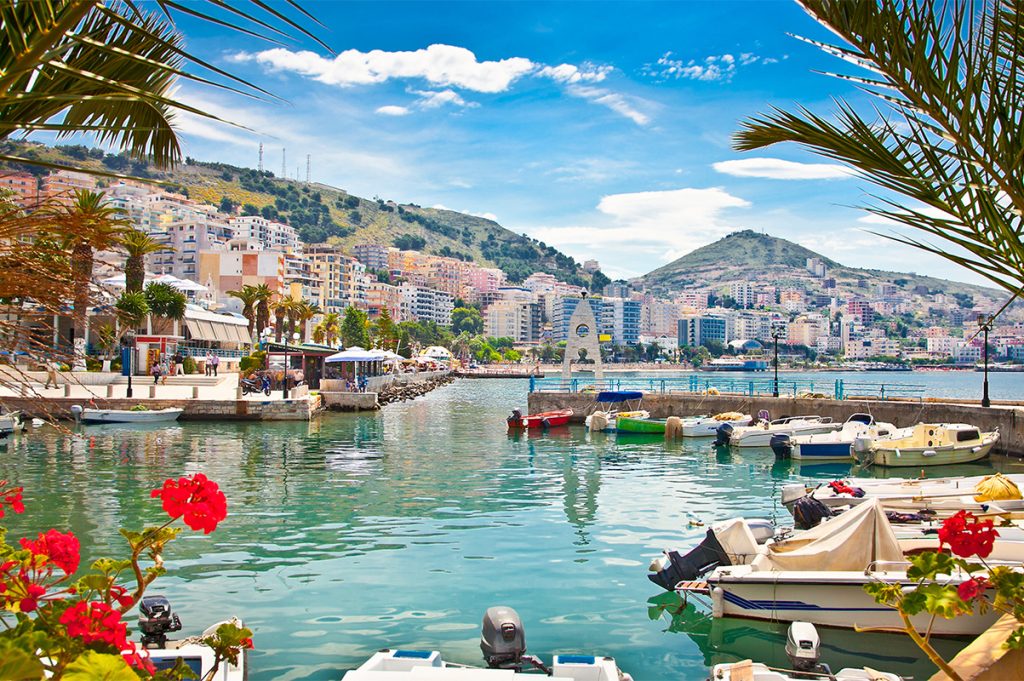
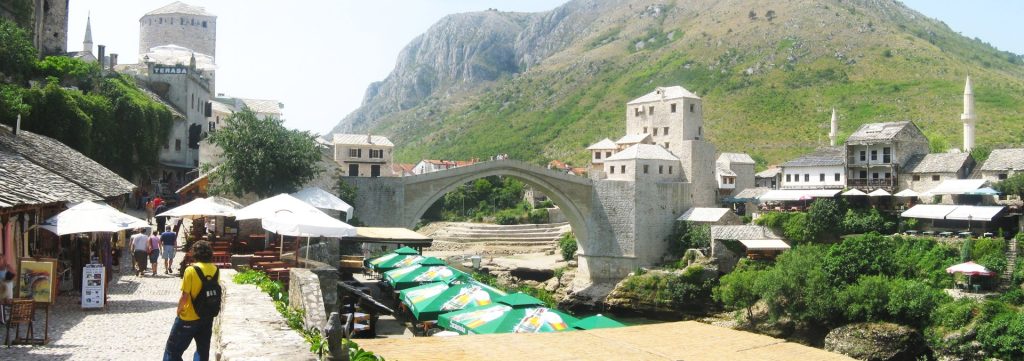
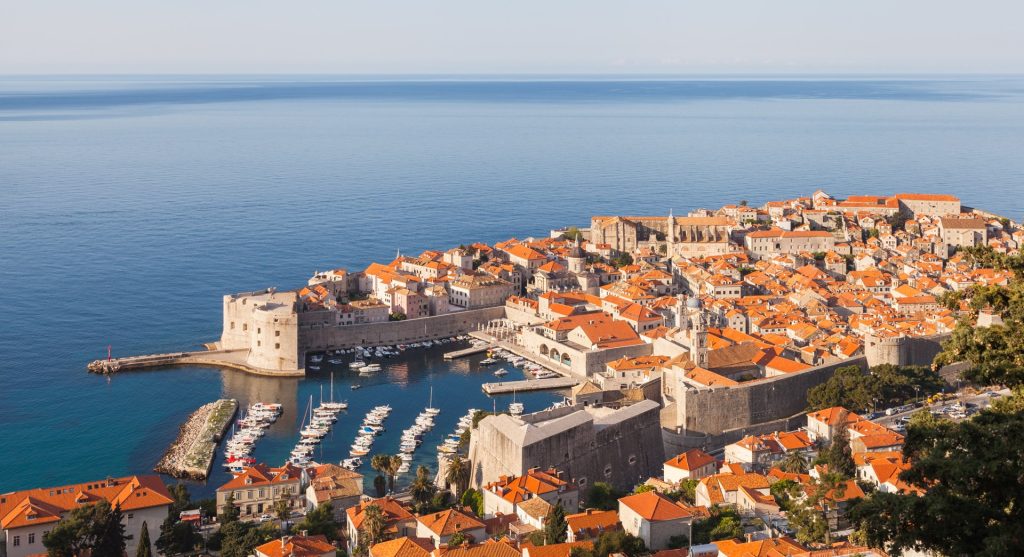
OTHER BALKAN COUNTRIES TO EXPLORE
Photography credits
Photographs are displayed at web sizes and may be cropped to fit the layout.
- Crno jezero – 2.jpg — Ingo Mehling. CC BY-SA 4.0.
- Crno jezero – 3.jpg — Ingo Mehling. CC BY-SA 4.0.
- Kotor and Boka kotorska – view from city wall.jpg — Pudelek (Marcin Szala). CC BY-SA 3.0.
- Kotor bay with a ship.jpg — Jaakko Luttinen. CC BY-SA 4.0.
- Perasto – Montenegro.JPG — Giorgio Roncolato. CC BY-SA 3.0.
- Rijeka Crnojevica Port.jpg — Ingo Mehling. CC BY-SA 4.0.
- Ćevapi, a traditional Balkan grilled meat dish — CC BY 2.0.