
EXPLORE KOSOVO
KOSOVO: LIVING HISTORY, MOUNTAIN HORIZONS
Kosovo is one of Europe’s lesser-known destinations, but for travellers interested in history, mountains, architecture, food and living culture, it offers an unusually rich experience in a compact area. Situated in the centre of the Balkan Peninsula, Kosovo combines ancient archaeological sites, medieval Orthodox monasteries, Ottoman mosques and bazaars, dramatic mountain landscapes and a lively modern culture. Its relatively small size also makes it possible to combine cities, historic monuments and outdoor activities within a single trip.
HISTORY
Kosovo has a long and complicated history. Archaeological evidence demonstrates human settlement from prehistoric periods, while the territory later became part of the Roman and Byzantine worlds. The ancient city of Ulpiana, near Prishtina, is among the most important archaeological sites, preserving evidence of Roman and Late Antique civilisation.
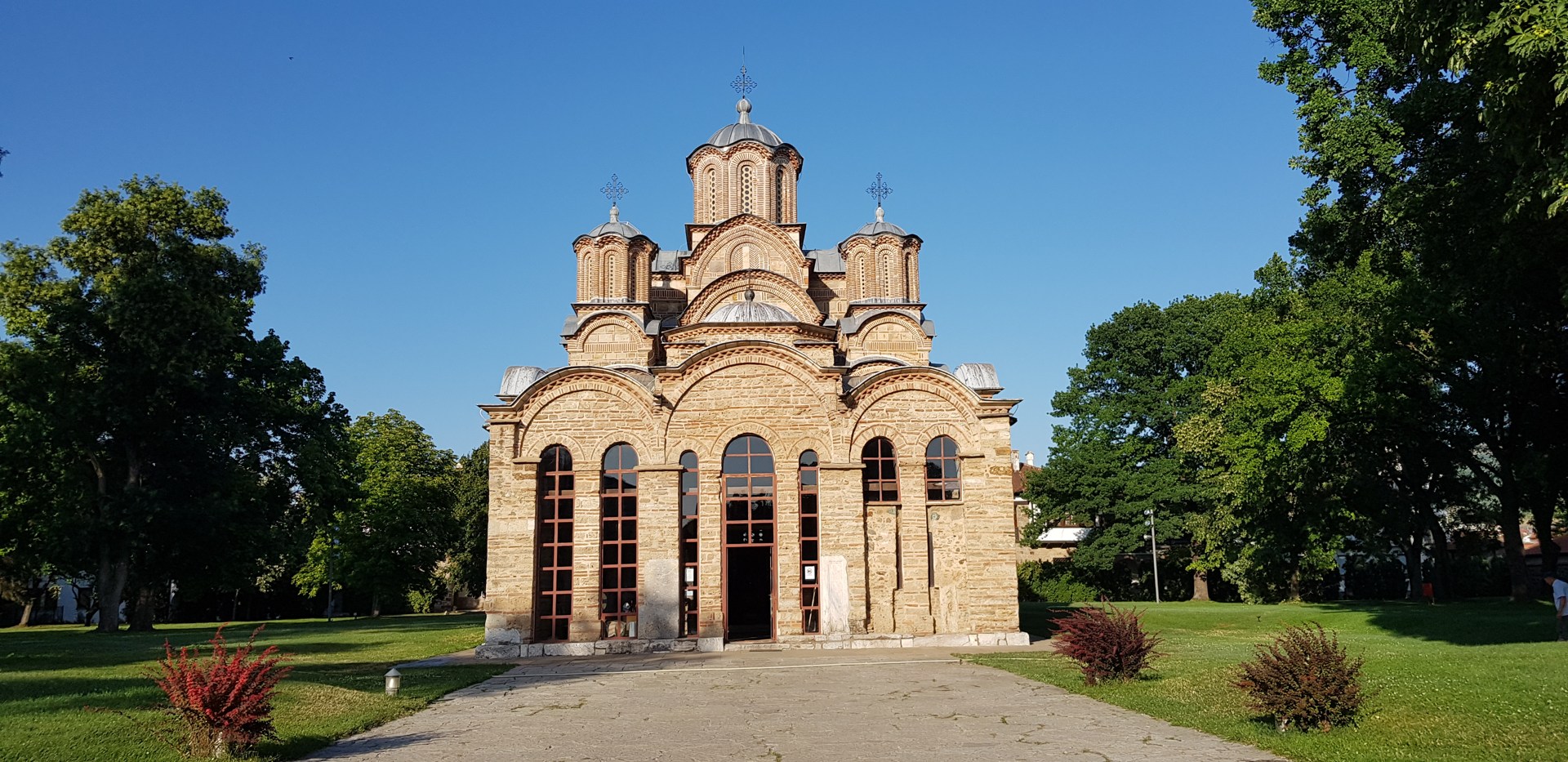
During the medieval period, Kosovo became an important centre of the Serbian medieval state. Some of the finest surviving examples of medieval Balkan religious art are found here. Four monuments—the monasteries of Dečani and Peć and the churches of Gračanica and Our Lady of Ljeviš—form UNESCO’s Medieval Monuments in Kosovo World Heritage property. UNESCO describes them as outstanding examples of Byzantine-Romanesque ecclesiastical culture and medieval wall painting.
From the 15th century onward, Kosovo was incorporated into the Ottoman Empire. Ottoman influence remains particularly visible in Prizren, Gjakova and Prishtina, where mosques, hammams, bazaars, bridges and traditional houses survive.
Modern Kosovo was profoundly shaped by the conflicts accompanying the breakup of Yugoslavia. The Kosovo War of 1998–99 left a significant historical and human legacy, and memorial sites such as the Adem Jashari Memorial Complex at Prekaz form an important part of the country's contemporary heritage. Kosovo declared independence in 2008. Its recent history remains politically sensitive, so visitors should approach war memorials and contested historical subjects with respect.
GEOGRAPHY AND TOPOGRAPHY
Kosovo is a landlocked country surrounded by Serbia, North Macedonia, Albania and Montenegro. Its geography is surprisingly varied. Much of the country consists of rolling uplands and broad plains, particularly the Kosovo Plain and the Dukagjin Plain, while high mountain ranges dominate the western and southern borders.
Gjeravica, at 2,656 metres, is one of the highest peaks, in the Bjeshkët e Nemuna, or Accursed Mountains. The country's official spatial plan describes the landscape as a combination of high mountain systems—including the Accursed Mountains, Sharr Mountains and Kopaonik Mountains—and lower plains and river valleys.
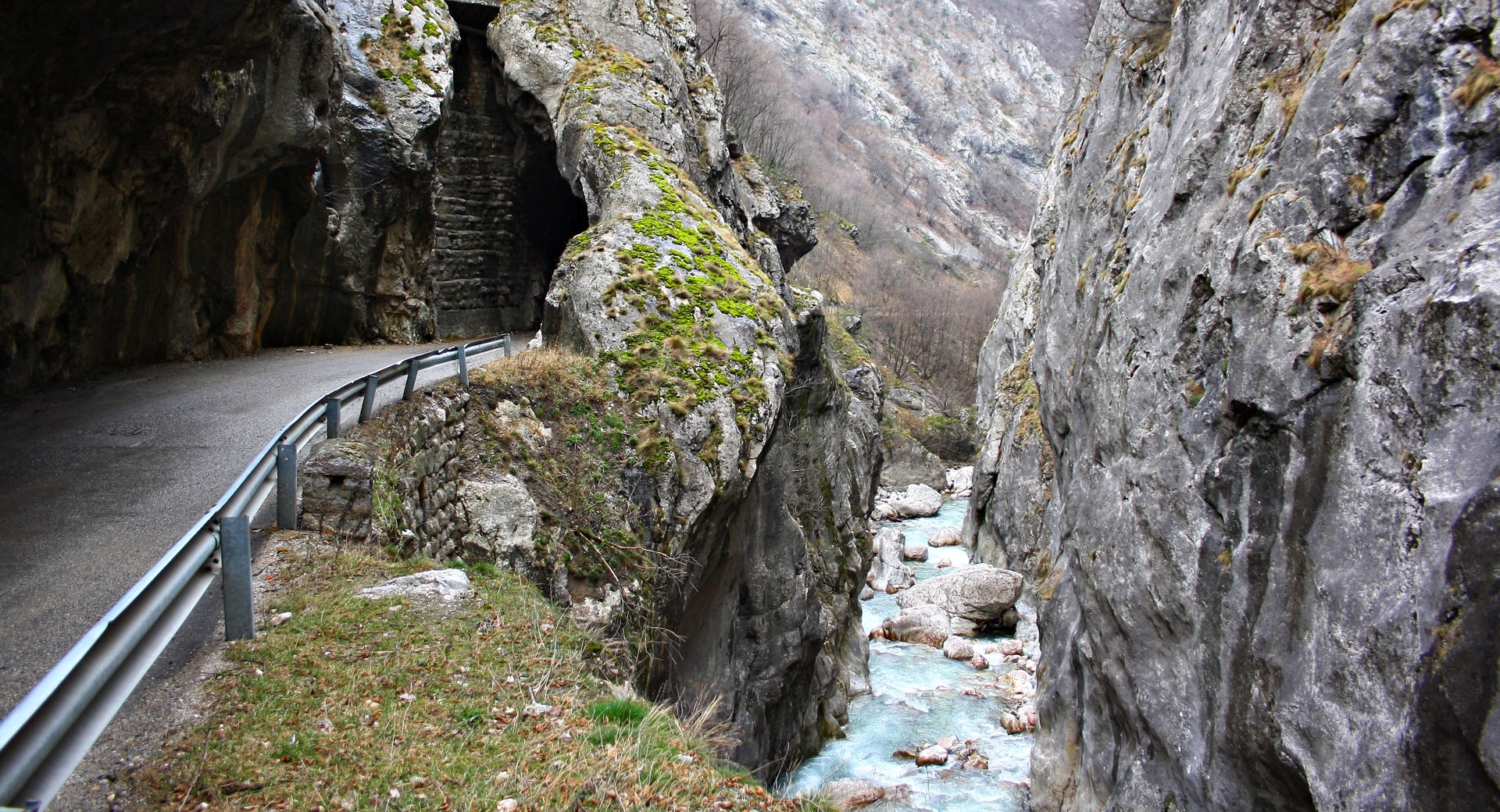
For outdoor tourism, the Rugova region near Peja is particularly spectacular. Rugova Canyon cuts dramatically into the Accursed Mountains and provides opportunities for hiking, climbing, via ferrata and adventure tourism. The region also connects with the Peaks of the Balkans long-distance hiking trail.
The Sharr Mountains in southern Kosovo provide another major attraction. Brezovica is the country's best-known mountain resort, offering skiing and snowboarding in winter and hiking through alpine landscapes during the warmer months.
Explore
THE MANY FACES OF KOSOVO
A compact country with remarkable variety — from lively cafés and Ottoman old towns to medieval art and the dramatic Accursed Mountains.
OTTOMAN TOWNS
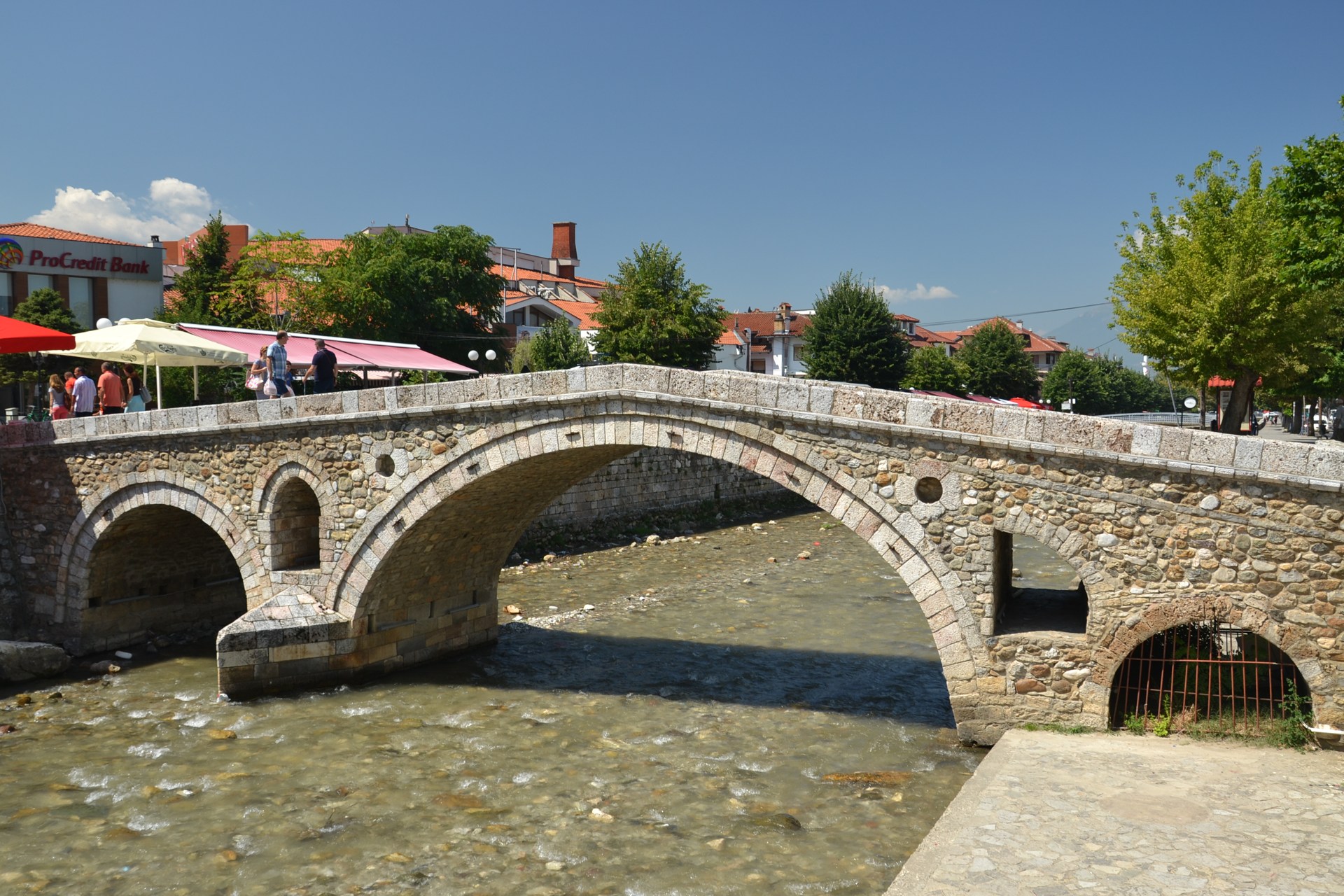
Stone bridges, bazaars, mosques and traditional houses give Prizren and Gjakova an intimate sense of living history.
SACRED HERITAGE
Medieval monasteries and churches preserve exceptional architecture and frescoes within peaceful historic landscapes.
WILD MOUNTAINS
Rugova Canyon, high trails and the Accursed Mountains place striking alpine scenery within easy reach of the cities.
CULTURE AND RELIGION
Kosovo's culture reflects centuries of interaction between Albanian, Serbian, Ottoman, Balkan and European traditions. Albanian is the most widely spoken language, while Serbian is also an official language. Traditional hospitality is an important cultural value; the Albanian concept of besa, meaning a pledge or word of honour, is particularly associated with hospitality and keeping one's promise.
Religion is similarly diverse. Islam is the predominant faith, while Serbian Orthodox Christianity and Roman Catholic Christianity are also important parts of the country's heritage. The 2024 census records religion as a demographic category including Islam, Orthodoxy and other faiths, although census participation in several northern municipalities was affected by a boycott.
This religious diversity gives travellers the opportunity to see mosques, Orthodox monasteries, Catholic churches and historic religious buildings within relatively short distances. Prizren is perhaps the best example, with the Sinan Pasha Mosque, Serbian Orthodox churches, Catholic institutions and other historic religious monuments forming part of the city's extraordinary architectural landscape.
FOOD AND DRINK
Kosovo's cuisine is hearty, inexpensive and strongly influenced by Balkan and Ottoman traditions. One of the signature dishes is flija, a layered pastry made by cooking successive layers of batter and cream, traditionally beneath a saç, or large metal cooking lid. It is a slow, communal preparation rather than simply a meal.
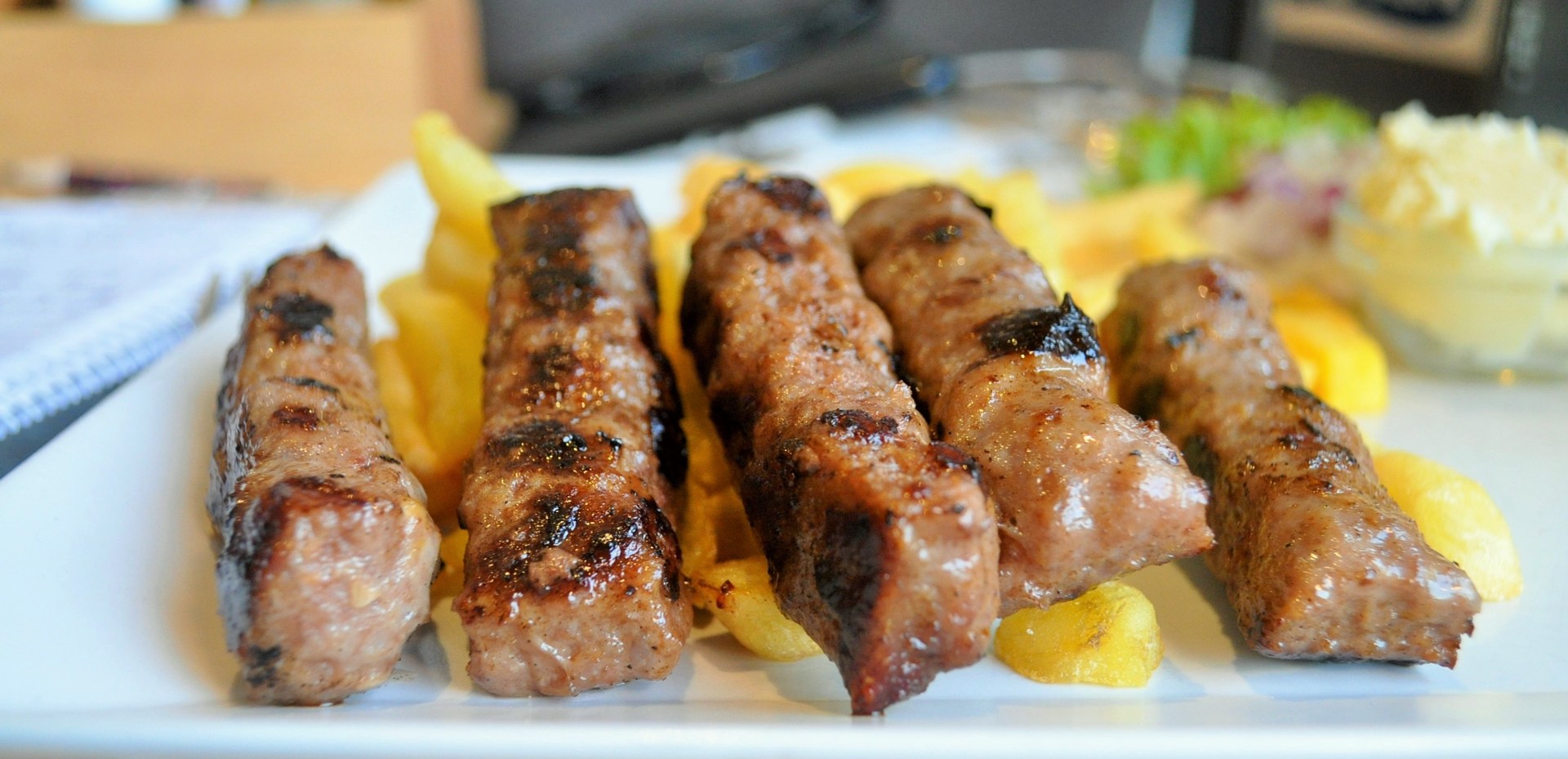
Visitors should also try qebapa (small grilled meat kebabs), pite and other savoury pastries, grilled meats, fresh cheeses, yoghurt and traditional breads. Mountain areas are particularly good for dairy products and trout. Kosovo also has an emerging wine industry, especially around Rahovec, which is known for vineyards, wine production and traditional raki.
Coffee is another essential part of everyday life. In Prishtina and other cities, cafés are social meeting places rather than simply places to buy a drink. A leisurely macchiato is almost a cultural ritual.
ART AND HERITAGE
Kosovo's art heritage is particularly strong in religious frescoes, Ottoman architecture, traditional crafts and contemporary urban art. The medieval monasteries contain some of the region's most important surviving frescoes. Dečani Monastery, for example, contains more than 1,000 preserved original frescoes and combines Romanesque, Gothic and Byzantine architectural influences.
Traditional craft is especially visible in Gjakova's Grand Bazaar, where historic workshops and artisan traditions contribute to the character of the old town. Museums in Prishtina and Prizren provide further insight into archaeology, ethnography and modern history.
Contemporary Kosovo also has a lively cultural scene. Prizren hosts DokuFest, an internationally recognised documentary and short-film festival, while Prishtina is known for music, galleries, cafés and contemporary public art.
MAJOR CITIES AND MUST-SEE PLACES
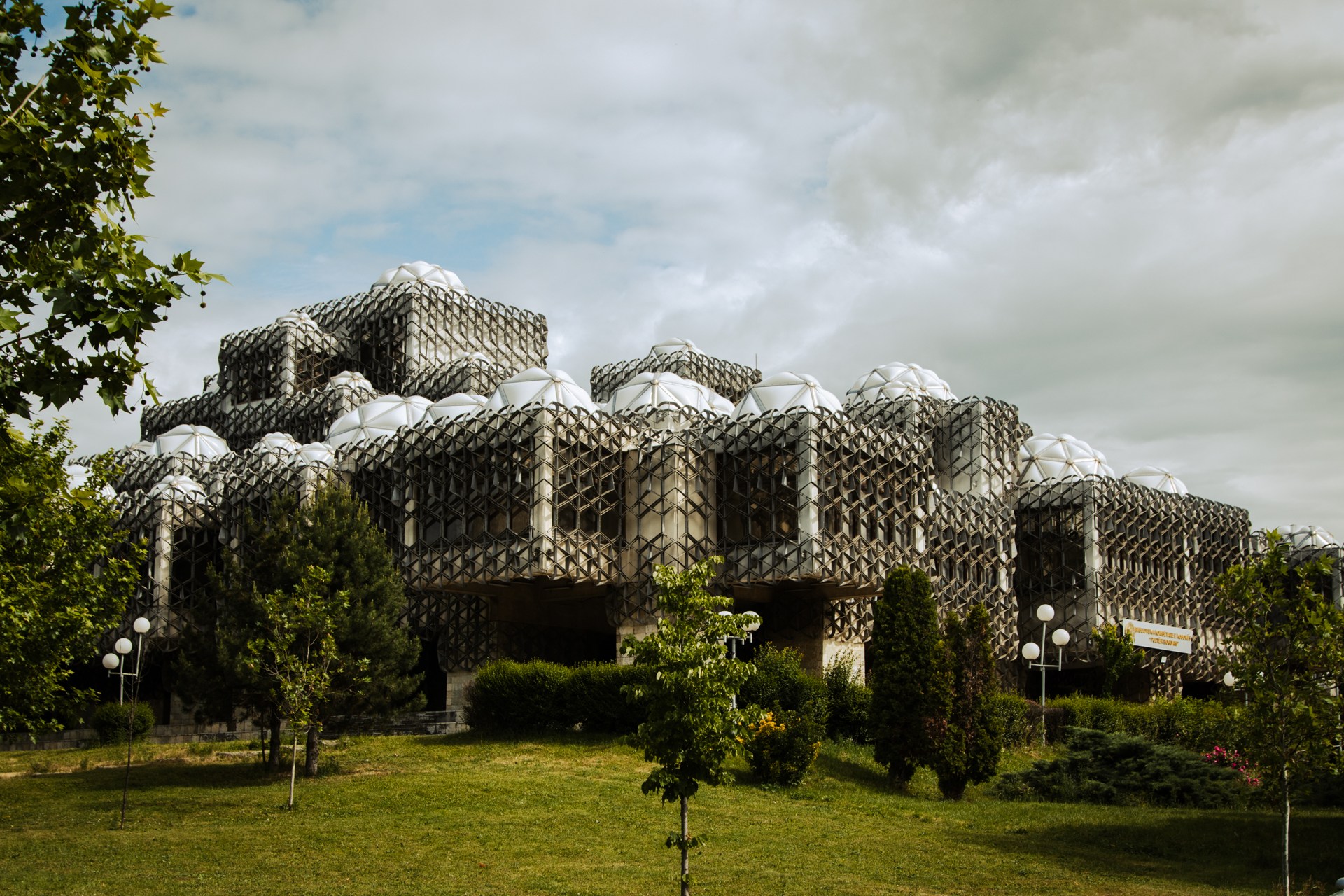
Prishtina – The capital should be the starting point for many visitors. Must-see sights include the striking National Library, the NEWBORN monument, the Cathedral of Saint Mother Teresa, the National Museum and the old Ottoman-era area around the city's historic centre. The capital combines Yugoslav-era architecture with a young café, arts and nightlife culture.
Prizren – For many travellers, Prizren is the highlight of Kosovo. Its old town lies beside the Lumbardhi River beneath the Sharr Mountains. Essential sights include Prizren Fortress, the Sinan Pasha Mosque, the Old Stone Bridge, the League of Prizren complex, historic churches and the old bazaar. The fortress is particularly rewarding around sunset.
Peja – Peja is the gateway to Kosovo's mountains. The major attractions are Rugova Canyon, mountain hiking and climbing, and the Patriarchate of Peć, one of the UNESCO medieval monuments. The city itself also has museums, traditional food and cultural heritage worth exploring.
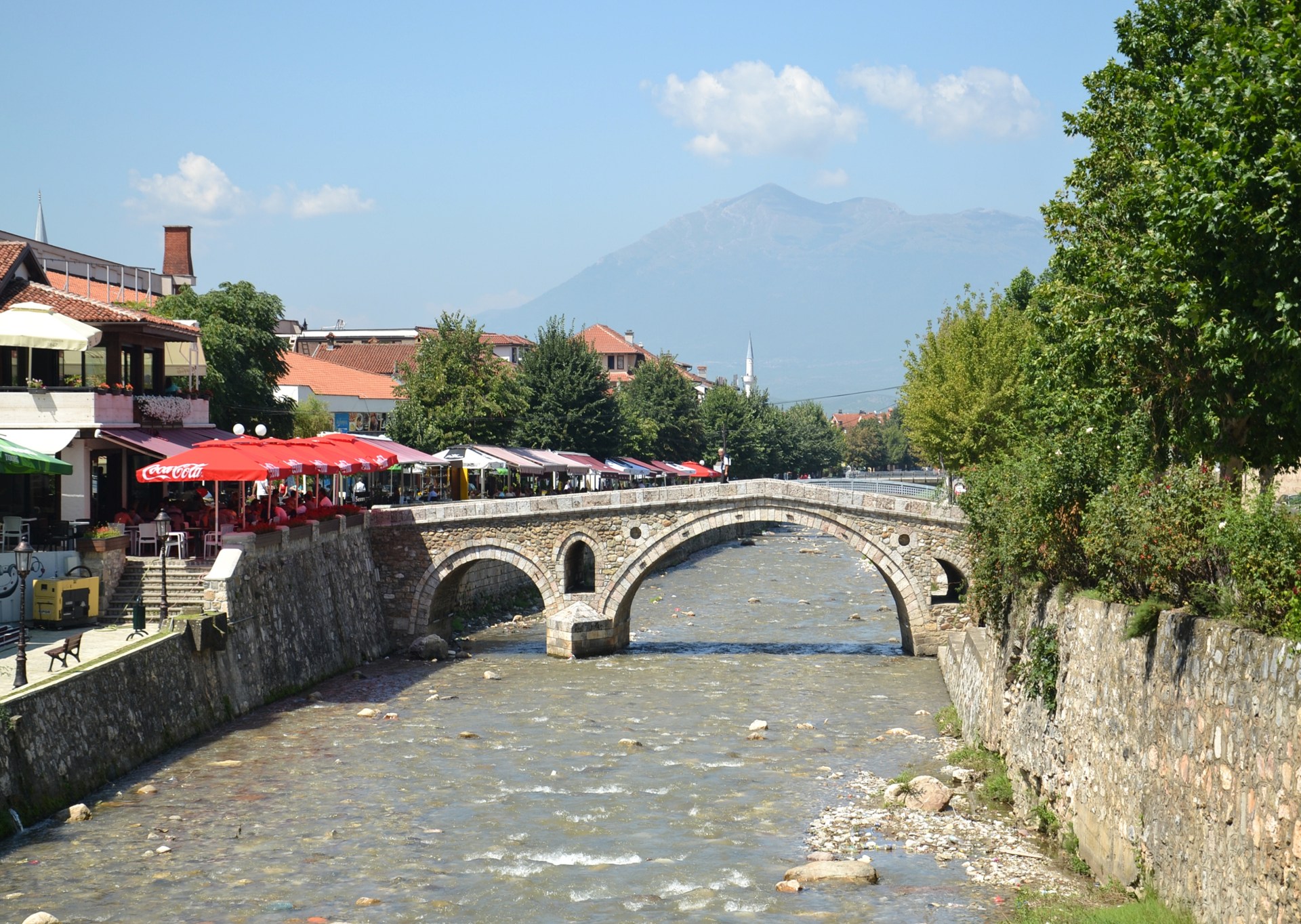
Gjakova – Gjakova is famous for its Grand Bazaar, traditional crafts, historic bridges and Ottoman heritage. It provides a more intimate experience of Kosovo's traditional urban culture.
Deçan and Gračanica – These are essential stops for visitors interested in medieval religious art. Visoki Dečani Monastery is a UNESCO-listed masterpiece, while Gračanica Monastery is renowned for its Byzantine architecture and medieval frescoes.
Ulpiana – Near Prishtina, the archaeological remains of Ulpiana offer an insight into Roman and Late Antique Kosovo and are an important complement to the country's medieval heritage.
Rugova and the Accursed Mountains – For nature lovers, this is the country's essential destination. Rugova Canyon, alpine lakes, high peaks and hiking trails provide some of the most dramatic scenery in the Balkans.
Brezovica and the Sharr Mountains – The main destination for winter sports, but equally attractive in summer for walking, mountain scenery and wildflower-covered slopes.
Overall, Kosovo's tourist trail is best understood as a combination of Prishtina for modern culture, Prizren for history and architecture, Peja for mountains, Gjakova for traditional crafts, and the medieval monasteries for art and religion. Add Ulpiana for antiquity, Rugova for adventure and Rahovec for food and wine, and a relatively short journey becomes a remarkably complete introduction to Kosovo and the wider Balkans.
Cultural
Cultural Essence
KOSOVAR CUISINE
Kosovar cuisine combines Albanian, Ottoman and wider Balkan influences. Flija, pies, grilled meats, stuffed peppers, fresh cheeses and seasonal vegetables are often served generously, with strong coffee and warm hospitality.
CRAFT & TRADITION
Silversmithing, filigree, embroidery, woodwork, music and dance remain visible in towns and family celebrations. Prizren's festivals and historic workshops give visitors a particularly vivid introduction to this creative culture.
PLAN YOUR VISIT WITH A BALKAN EXPERT
For more detail about Kosovo, or to combine your visit with other Balkan destinations, get in touch with our local experts.
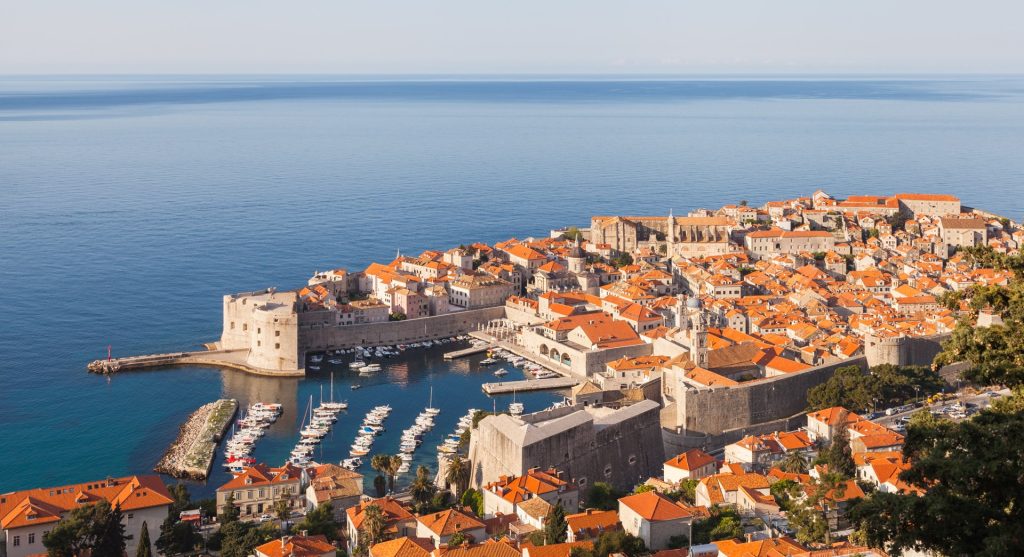
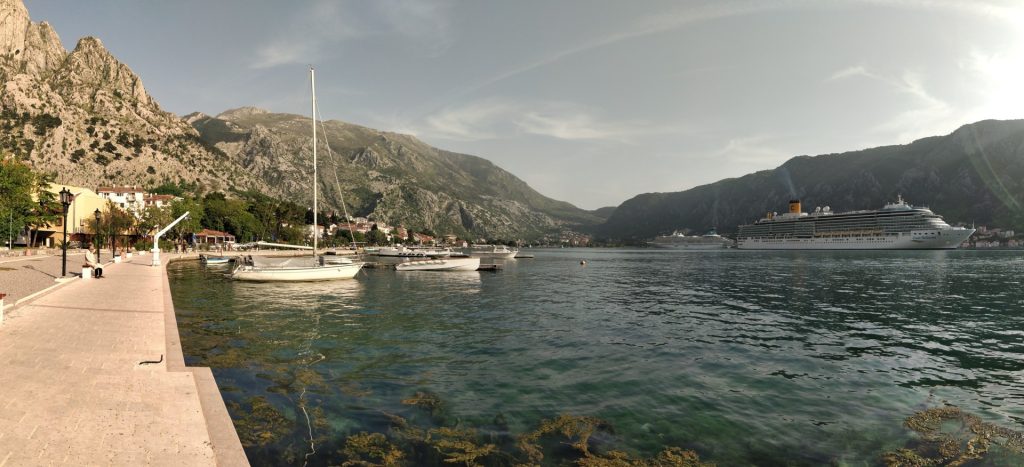
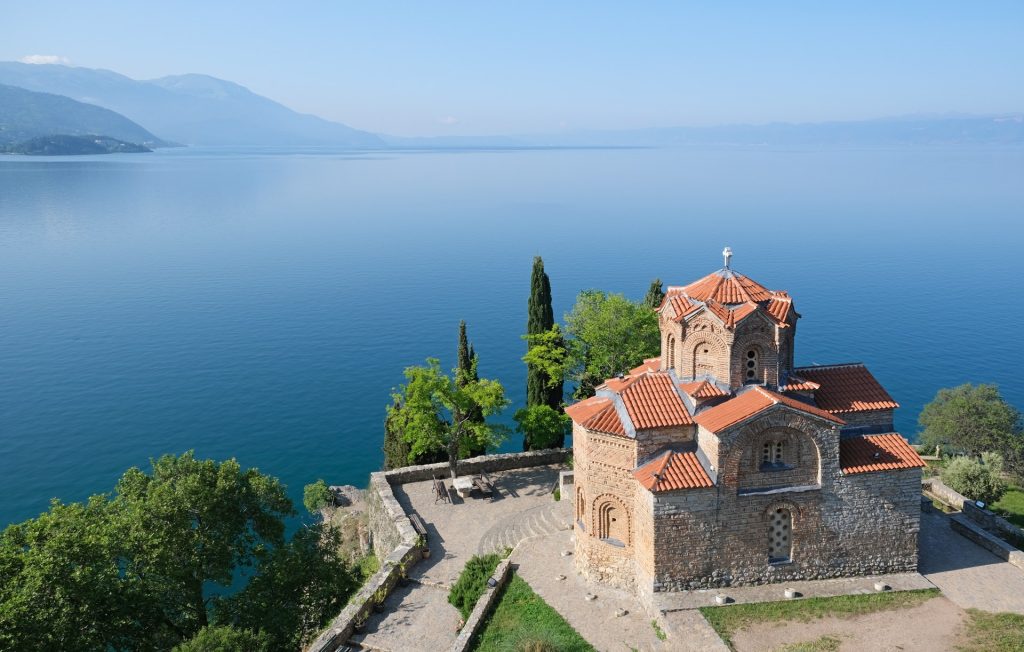
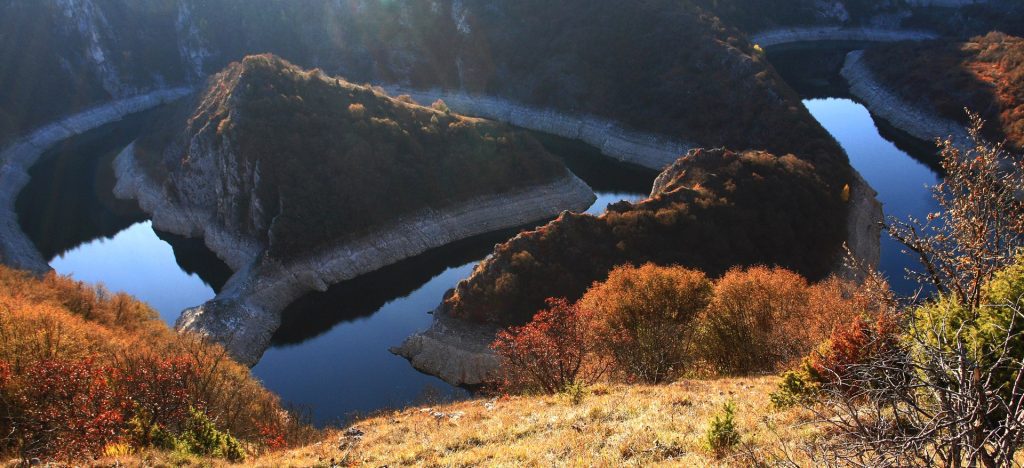
OTHER BALKAN COUNTRIES TO EXPLORE
Photography credits
Photographs are displayed at web sizes and may be cropped to fit the layout.
- Serbian Ćevapi.jpg — young shanahan. CC BY 2.0.
- Gračanica Monastery entry.jpg — Ravi Dwivedi. CC BY-SA 4.0.
- 20260604 National Library Pristina Kosovo.jpg — Luctor. CC0.
- Stone Bridge in Prizren (by Pudelek).JPG — Pudelek. CC BY-SA 4.0.
- Stone Bridge in Prizren (by Pudelek) 2.JPG — Pudelek. CC BY-SA 4.0.
- Panorama of Prizren.jpg — Geri. CC BY-SA 2.0.
- Rugova Canyon.jpg — Ardianlumi. CC BY-SA 3.0.




.JPG)
_2.JPG)

