
EXPLORE CROATIA
CROATIA: ADRIATIC BEAUTY, LIVING HISTORY
Croatia is one of Europe’s most attractive tourist destinations, combining a spectacular Adriatic coastline with historic cities, ancient monuments, islands, mountains, national parks and a rich Mediterranean culture. Situated in southeastern Europe, Croatia has become particularly famous for its clear blue waters, picturesque coastal towns and historic cities such as Dubrovnik and Split. Tourism is an important part of the Croatian economy, but the country’s appeal goes far beyond its beaches. Visitors can experience Roman ruins, medieval fortresses, Renaissance architecture, traditional villages, religious monuments, museums, galleries and a distinctive cuisine shaped by centuries of cultural exchange.
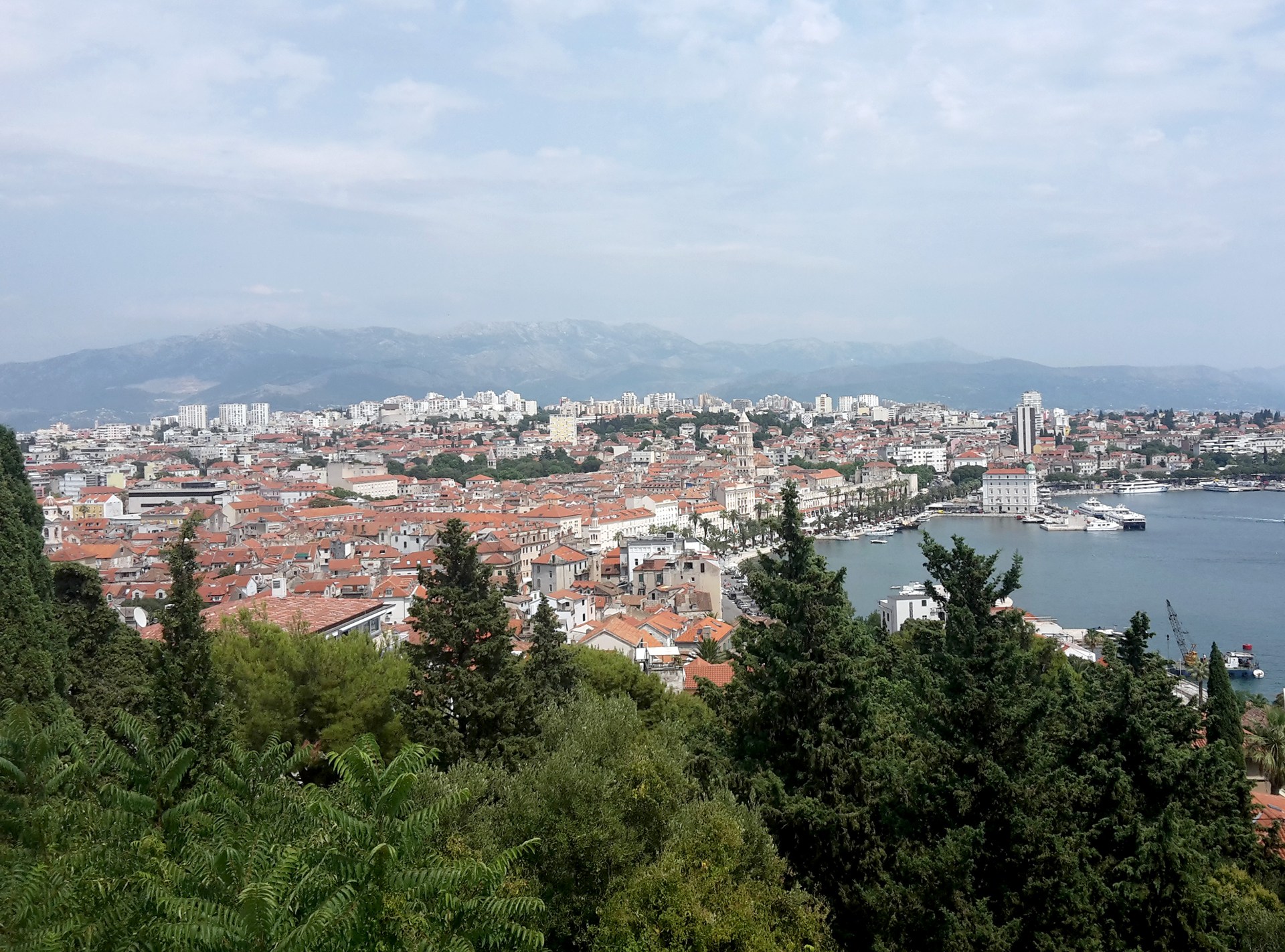
HISTORY
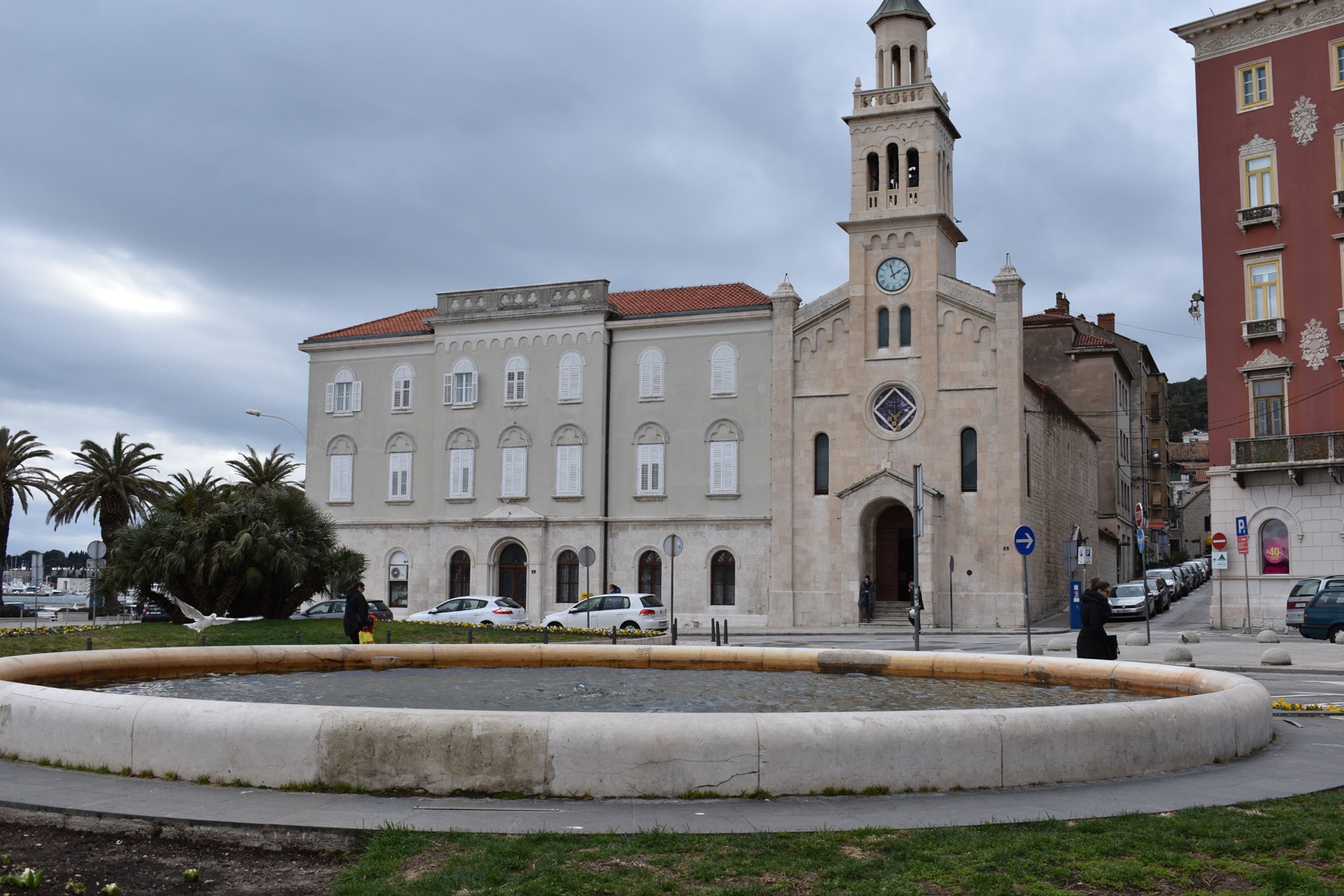
Croatia has a long and complicated history because of its position between Central Europe, the Mediterranean and the Balkans. Ancient Greek settlements appeared along parts of the Adriatic coast, while the Romans established important towns and infrastructure. One of the most impressive Roman monuments is Diocletian’s Palace in Split, built by the Roman Emperor Diocletian in the late third and early fourth centuries. The palace later became the foundation around which the modern city developed. UNESCO recognises Split’s historic complex as a World Heritage Site.
Croatian and other Slavic peoples settled in the region during the early medieval period. Croatia subsequently developed as a medieval kingdom and later experienced the influence of powerful neighbours, including Hungary, Venice, the Ottoman Empire and the Habsburg monarchy. The Venetian influence is particularly visible along the Adriatic coast in architecture, fortifications and urban design.
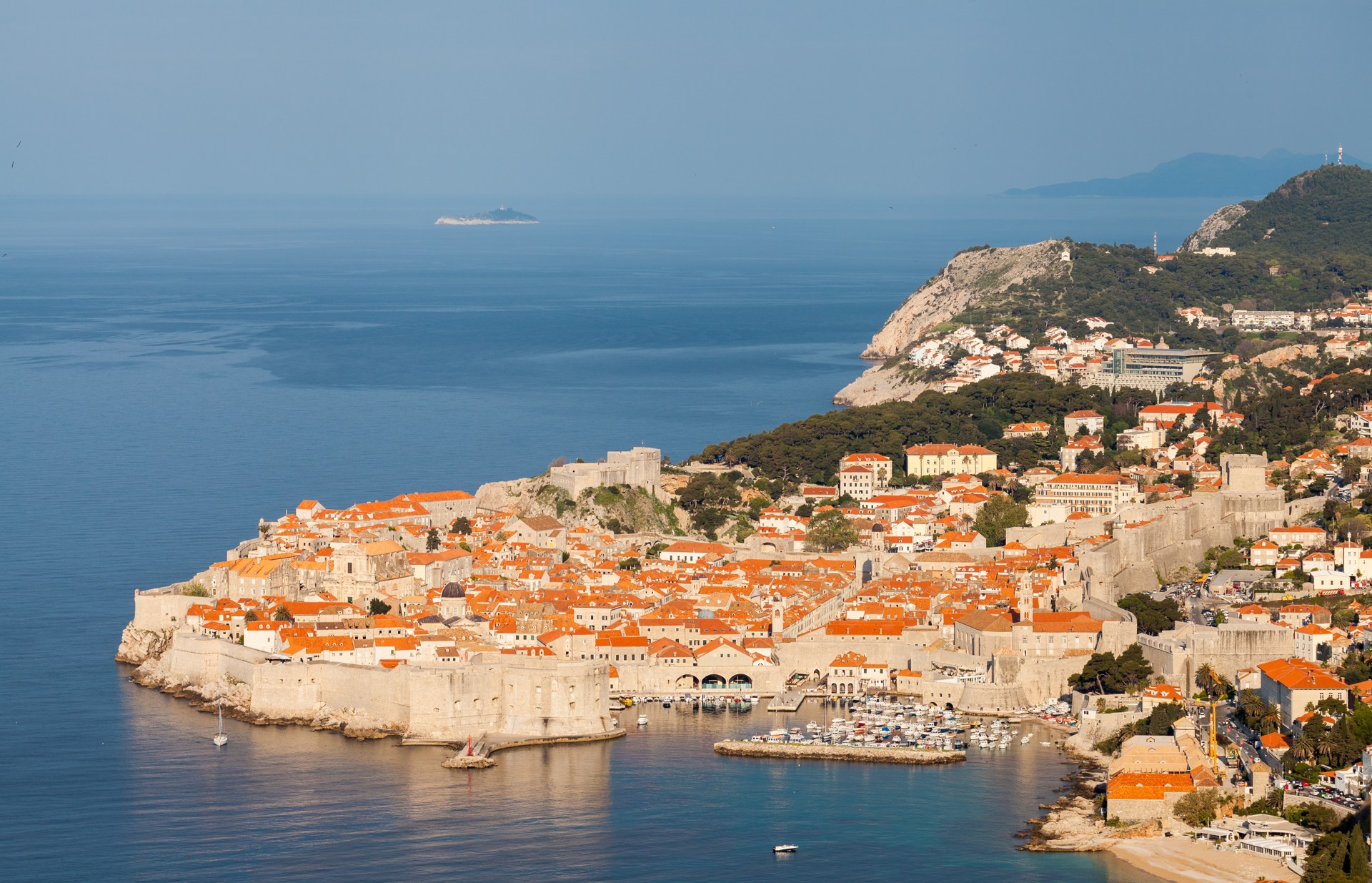
The medieval maritime republic of Dubrovnik, historically known as Ragusa, became a major Mediterranean trading power. Its extraordinary walls, churches, monasteries and palaces have survived earthquakes, wars and political changes. The Old City of Dubrovnik has been a UNESCO World Heritage Site since 1979 and remains one of Croatia’s most visited attractions.
During the twentieth century, Croatia became part of Yugoslavia before declaring independence in 1991. The Croatian War of Independence affected several areas of the country, and Dubrovnik itself suffered damage during the conflict. Extensive restoration has helped preserve its historic centre.
GEOGRAPHY AND TOPOGRAPHY
Croatia occupies a remarkably varied geographical area. It stretches from the Pannonian plains in the northeast to the mountainous Dinaric Alps and the Adriatic coast in the southwest. This geographical diversity gives tourists the opportunity to enjoy beaches, islands, forests, rivers, mountains and fertile agricultural landscapes within a relatively small country.
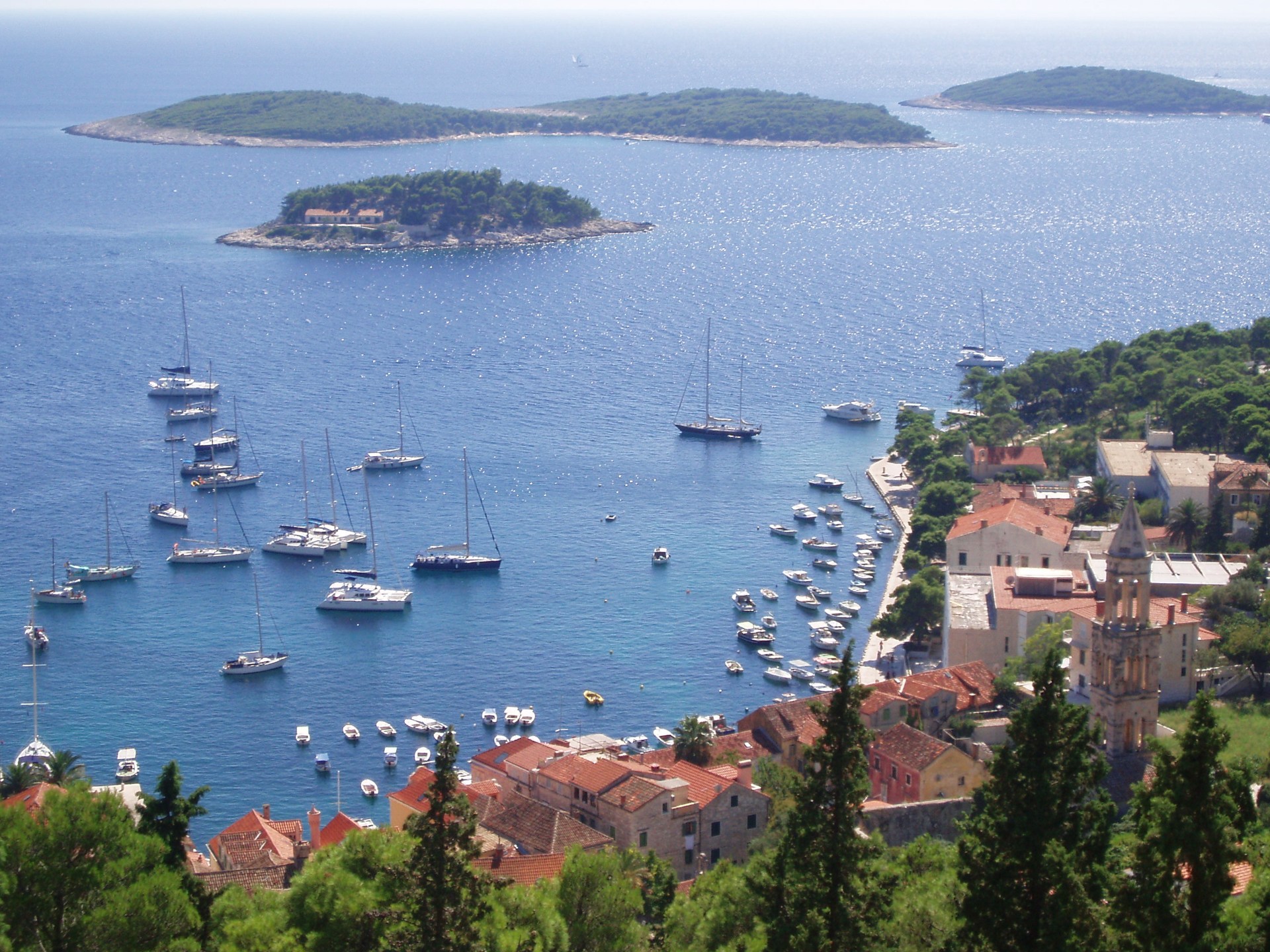
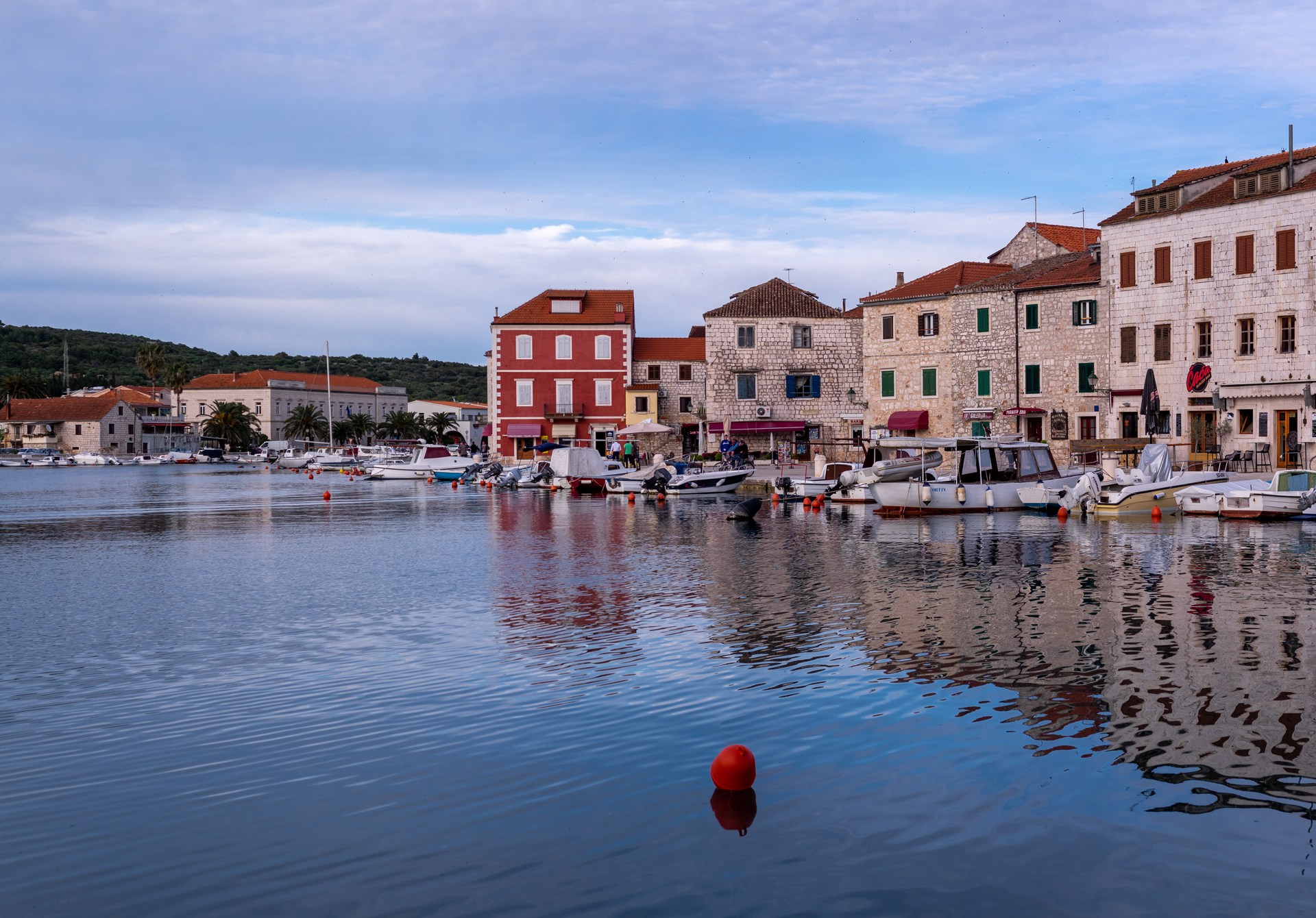
The Adriatic coastline is Croatia’s greatest geographical attraction. It is highly indented and includes hundreds of islands, islets and reefs. Major islands include Hvar, Brač, Korčula, Pag, Krk and Cres, while smaller islands offer secluded beaches and quiet villages. Hvar is particularly famous for its historic architecture, Mediterranean landscapes, beaches and nightlife.
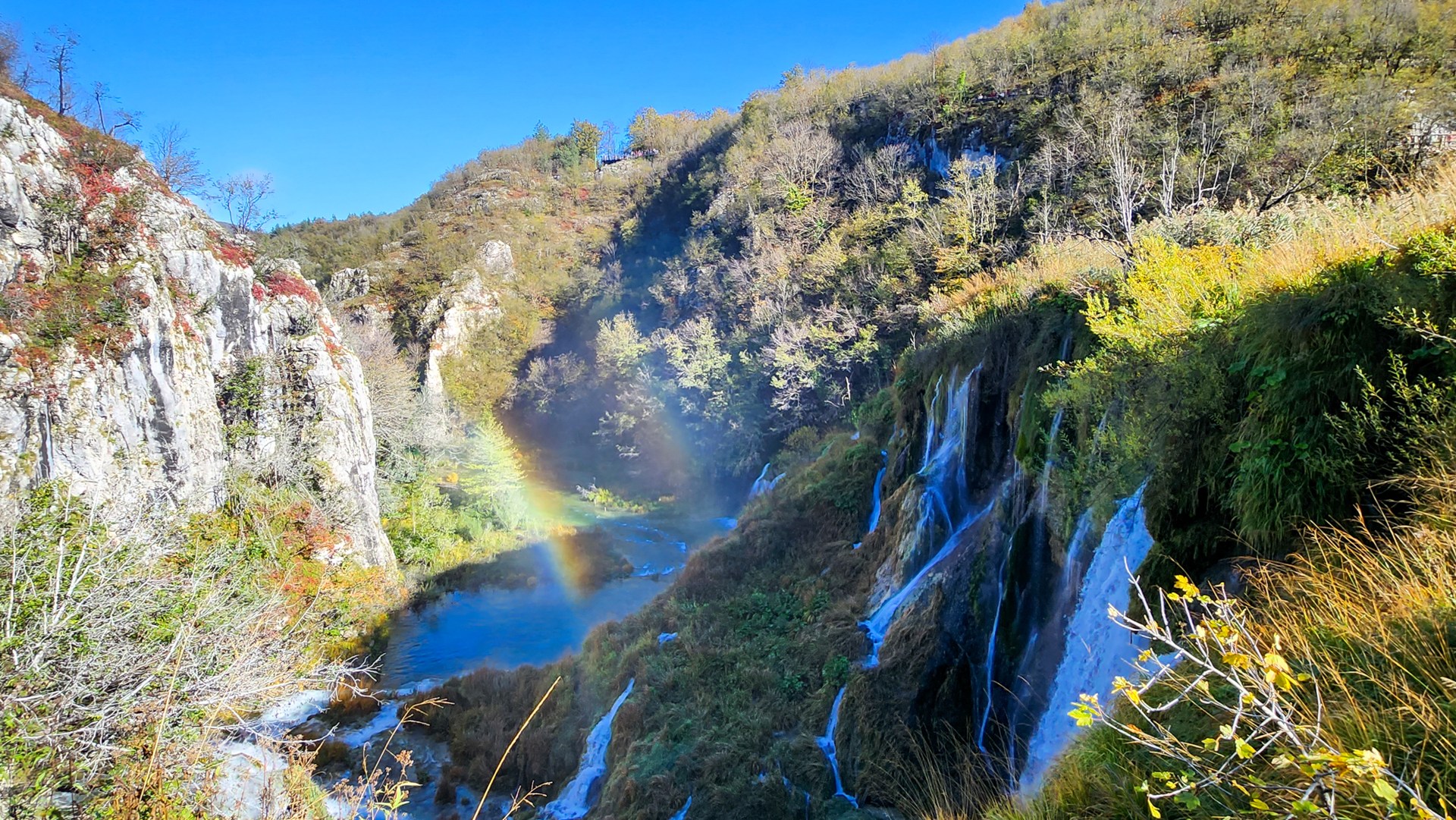
The mountainous interior includes the Dinaric range, with rugged limestone landscapes, caves and dramatic valleys. Plitvice Lakes National Park is perhaps the most famous natural attraction. It consists of interconnected lakes, waterfalls and forested landscapes created by thousands of years of geological and biological processes. UNESCO describes the park as a karst landscape in the Dinarides, with lakes divided into upper and lower groups and connected by numerous waterfalls and waterways.
Other important natural attractions include Krka National Park, famous for waterfalls; Paklenica National Park, popular with hikers and climbers; Northern Velebit National Park; and the Kornati islands, known for their spectacular rocky coastline and clear waters.
Explore
THE MANY FACES OF CROATIA
One country, many journeys — from historic waterfronts and island horizons to forests, waterfalls and cities layered with culture.
ADRIATIC COAST
Clear water, island harbours and a shoreline shaped by centuries of Mediterranean life.
ANCIENT CITIES
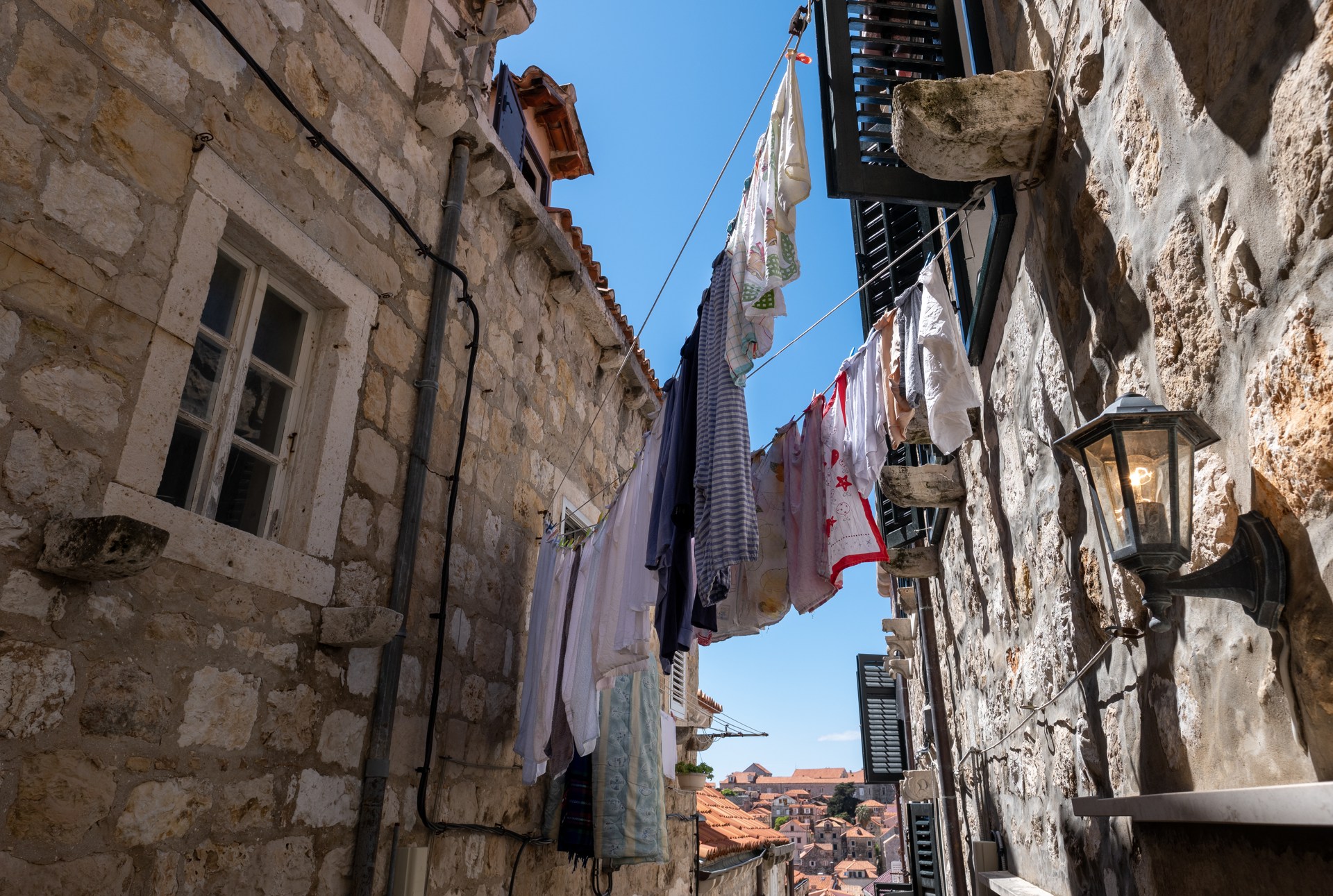
Roman foundations, Venetian streets and medieval walls turn every city break into a journey through history.
WILD LANDSCAPES
Waterfalls, mountains and national parks sit within easy reach of Croatia’s celebrated coast.
CULTURE AND RELIGION
Croatian culture reflects its geographical position at the meeting point of Central European, Mediterranean and Balkan traditions. Architecture provides one of the clearest examples of this cultural mixture. Roman remains, Venetian palaces, Gothic churches, Renaissance buildings and Austro-Hungarian architecture can all be found within the country.
Roman Catholicism has historically been the dominant religion in Croatia, and churches and religious festivals remain an important part of cultural life. The country contains numerous impressive cathedrals and churches, including the Cathedral of St James in Šibenik, another UNESCO World Heritage Site. Croatia also has important Orthodox, Muslim, Jewish and other religious communities, reflecting its broader historical diversity.
Traditional culture remains significant. Croatian folk music includes klapa, a form of multipart singing associated particularly with Dalmatia. Traditional dances, costumes, festivals and crafts are also preserved. UNESCO recognises numerous elements of Croatian intangible cultural heritage, including the Mediterranean diet, Dalmatian klapa singing, traditional games, dry-stone construction and other cultural practices.
FOOD
Croatian cuisine is one of the country's attractions because it changes considerably from region to region. Along the Adriatic, food is strongly Mediterranean. Fresh fish, squid, octopus, shellfish, olive oil, garlic, herbs and vegetables are common ingredients. Black risotto, traditionally made with cuttlefish, is a well-known Dalmatian speciality.
Istria is famous for truffles, olive oil and wines, while inland regions have stronger Central European influences, including meat dishes, stews and pastries. Pašticada, a slow-cooked beef dish associated with Dalmatia, is another traditional speciality. Croatian cheeses, cured meats and regional wines are also important parts of the culinary experience.
Visitors should also try local seafood, fresh bread, figs, olives and Croatian wines. Food tourism is particularly rewarding in Istria, Dalmatia and the islands, where traditional ingredients are closely connected to the landscape.
ART AND ARCHITECTURE
Croatia has a strong artistic heritage ranging from Roman sculpture and early Christian mosaics to medieval religious art, Renaissance architecture and modern galleries. The Euphrasian Basilica in Poreč is particularly important for its sixth-century Byzantine mosaics and early Christian architecture. It is one of Croatia’s UNESCO World Heritage Sites.
The historic towns of Trogir, Šibenik, Zadar and Dubrovnik are themselves open-air museums. Trogir contains a remarkable collection of Romanesque, Gothic, Renaissance and Baroque buildings, while Šibenik is famous for its Cathedral of St James. Zadar combines ancient ruins and medieval churches with modern attractions such as the Sea Organ and Greeting to the Sun.
Croatia also has a significant modern artistic tradition, particularly in Zagreb, where museums, galleries and cultural institutions provide an alternative to the coastal tourist trail.
MAJOR CITIES AND MUST-SEE PLACES
For first-time visitors, several destinations stand out. Zagreb, the capital, is the cultural and political centre of Croatia and offers museums, galleries, historic squares, churches and lively cafés. It provides an excellent introduction to the country's Central European character.
Split is essential for anyone interested in history. Its old centre is built around Diocletian’s Palace, where Roman walls, medieval streets, churches, shops and restaurants coexist.
Dubrovnik is arguably Croatia’s most famous tourist destination. Visitors should walk along the historic city walls, explore the Stradun, see the Rector’s Palace and Dubrovnik Cathedral, and take in the views over the Adriatic. Its preserved Gothic, Renaissance and Baroque architecture explains its international importance.
Zadar is known for its Roman and medieval heritage, waterfront promenade, Sea Organ and unusual modern art installation, the Greeting to the Sun. Šibenik is notable for its cathedral and historic centre, while nearby Krka National Park provides spectacular waterfalls.
Trogir, close to Split, is a compact historic town filled with medieval streets and monuments. Pula, in Istria, is famous for its enormous Roman amphitheatre, while Rovinj combines colourful Venetian-style architecture with a beautiful coastal setting. Poreč is worth visiting for the Euphrasian Basilica.
Finally, travellers should include at least one island. Hvar is the most internationally famous, while Korčula offers historic streets, traditional architecture and attractive beaches. Brač is home to the celebrated Zlatni Rat beach, and the quieter islands provide opportunities for hiking, swimming and sailing.
YOUR CROATIA JOURNEY
Croatia’s tourism appeal comes from the extraordinary combination of history, geography and culture found within a relatively small country. A visitor can explore Roman palaces in Split, medieval walls in Dubrovnik, Byzantine mosaics in Poreč, Renaissance monuments in Šibenik, island villages in Dalmatia and spectacular waterfalls at Plitvice and Krka. Croatia currently has 10 UNESCO World Heritage properties, including both cultural and natural sites.
For a classic Croatian tourist trail, the essential itinerary would include Zagreb, Plitvice Lakes, Zadar, Šibenik, Trogir, Split, Hvar and Dubrovnik, with time added for Istria if possible. This combination provides an excellent introduction to Croatia’s ancient history, dramatic landscapes, religious and architectural heritage, food, art and distinctive Mediterranean way of life.
Cultural
Cultural Essence
CROATIAN CUISINE
Along the Adriatic, Croatian cooking celebrates fresh fish, shellfish, olive oil and herbs; inland it becomes heartier, with Central European and Balkan influences. Look out for black risotto, slow-cooked peka, Pag cheese, Istrian truffles and regional favourites such as ćevapi.
LIVING TRADITIONS
Klapa multipart singing, folk dances, embroidered costumes, festivals and traditional crafts keep Croatia’s heritage alive. These traditions bring together Mediterranean, Central European and Balkan influences in a culture that still feels proudly local.
PLAN YOUR VISIT WITH A BALKAN EXPERT
For more detail about Croatia, or to combine your visit with other Balkan destinations, get in touch with our local experts.
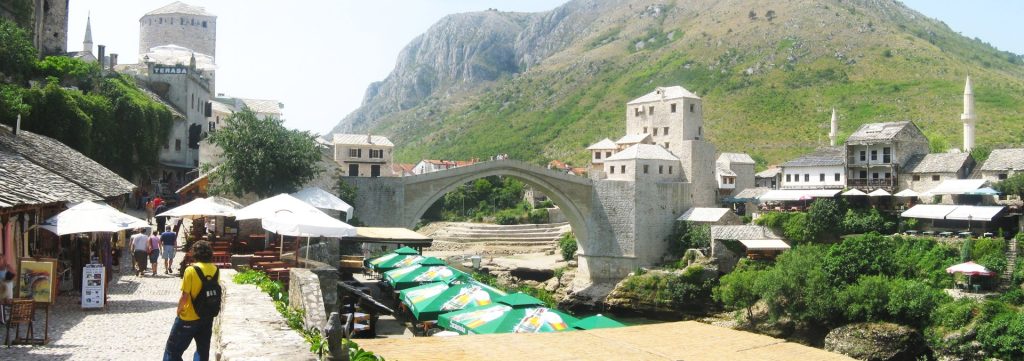
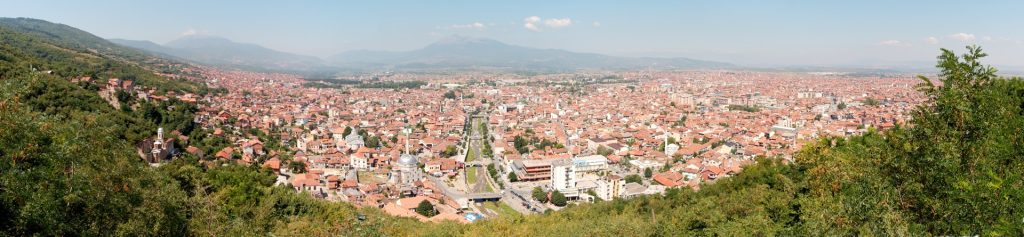
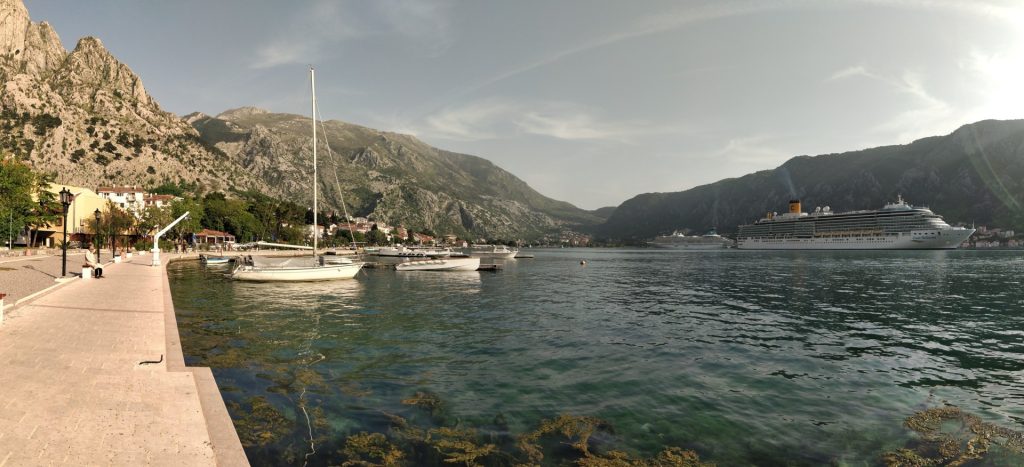
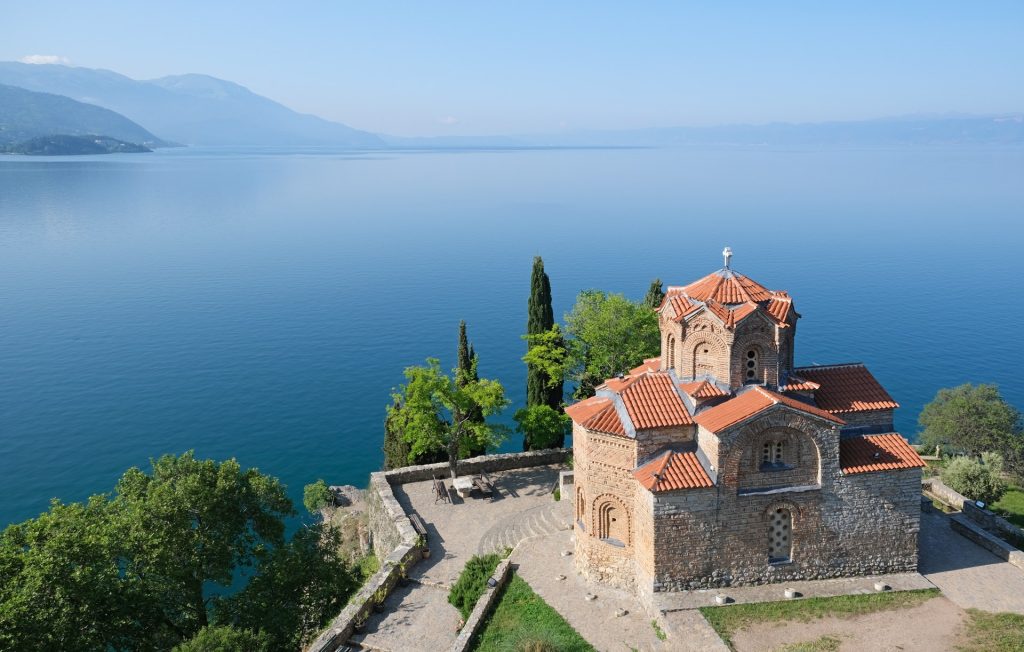
OTHER BALKAN COUNTRIES TO EXPLORE
Photography credits
Photographs are displayed at web sizes and may be cropped to fit the layout.
- Casco viejo de Dubrovnik, Croacia, 2014-04-14, DD 07.JPG — Diego Delso. CC BY-SA 3.0.
- Casco viejo de Dubrovnik, Croacia, 2014-04-14, DD 04.JPG — Diego Delso. CC BY-SA 3.0.
- Clothes line on Old Town street, Dubrovnik, Croatia (approximate GPS location) (PPL2-Enhanced) julesvernex2.jpg — Jules Verne Times Two. CC BY 4.0.
- Hvar-sea-panorama-1.JPG — japus. CC BY 2.5.
- Stari Grad harbour at dusk, Croatia (PPL3-Altered) julesvernex2.jpg — Jules Verne Times Two. CC BY-SA 4.0.
- Rainbow at Waterfalls of Plitvice Lakes.jpg — OrionCro. CC BY-SA 4.0.
- Church Fountain (199745627).jpeg — Justin W Flory. CC BY-SA 3.0.
- Panorama-Split.jpg — acediscovery. CC BY 4.0.
- Seafood and fish dish.jpg — Luca.favorido. CC BY-SA 4.0.
- Cilipi folkdance.jpg — Lawson Speedway. Public domain.
- Croatia – Rovinj.jpg — Mussi Katz. CC0.




_(PPL2-Enhanced)_julesvernex2.jpg)

_julesvernex2.jpg)

.jpeg)


