
EXPLORE BOSNIA & HERZEGOVINA
BOSNIA & HERZEGOVINA: CULTURES MEET, LANDSCAPES SOAR
Bosnia-Herzegovina is one of the most historically fascinating and geographically varied countries in southeastern Europe with the Dinaric Alps dominating the landscape. Although relatively compact, the country combines dramatic mountains, deep river valleys, forests, karst landscapes, historic towns and a rich mixture of Ottoman, Austro-Hungarian, Slavic, Mediterranean and local traditions. All things considered you get a lot of ‘bang for your buck’ – a spectacular cocktail of history, architecture, religion, food, art and outdoor adventure.
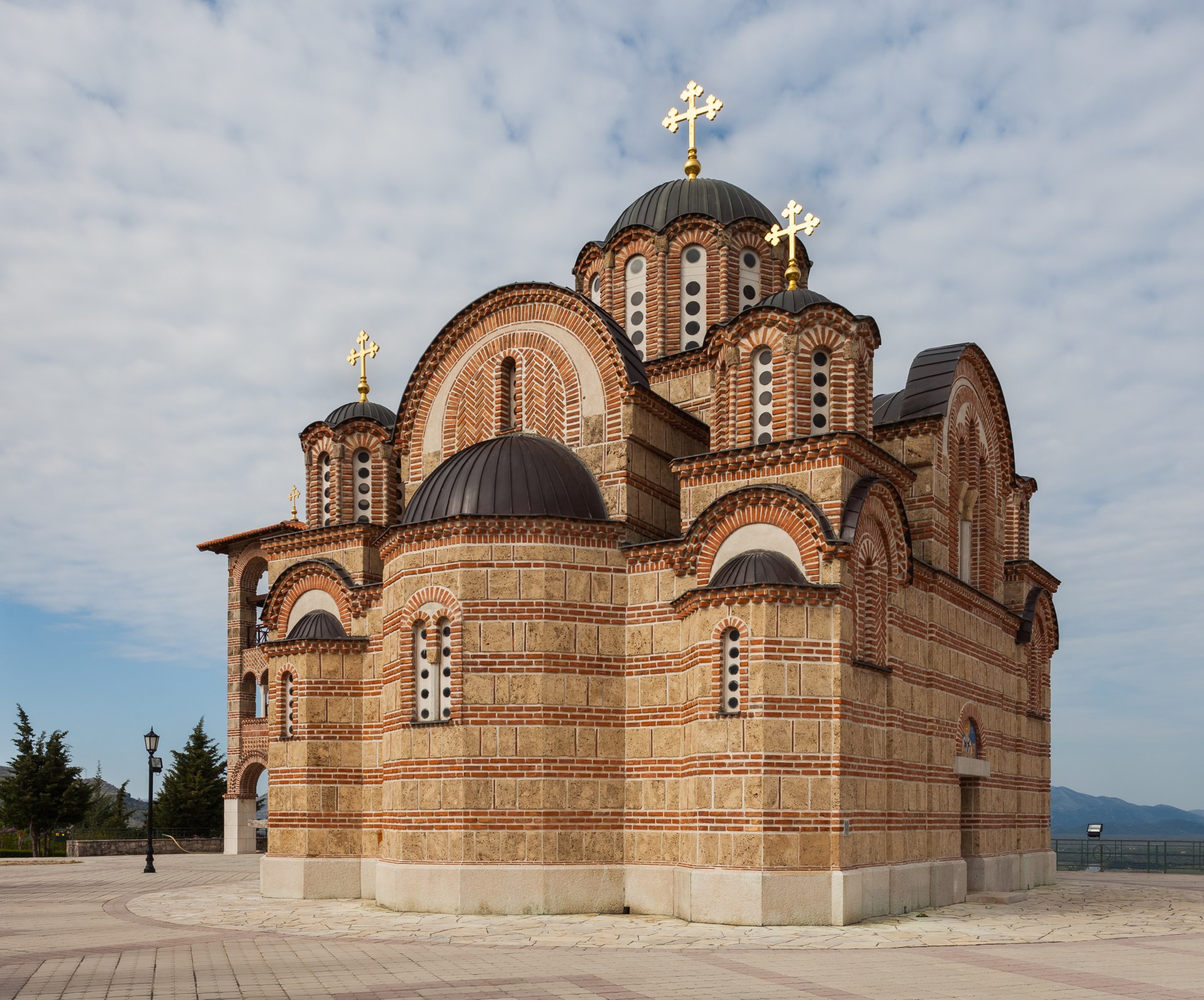
THOUSANDS OF YEARS OF HISTORY AND CULTURE
Whilst it’s not one of the best known places in the world Bosnia-Herzegovina has been central to European history and culture for millennia. Originally the home of the Illyrian peoples, it was later influenced and subsumed by the Roman, and then the Byzantine, empires. Subsequently the Ottoman period left an enormous cultural legacy, particularly in architecture, town planning, mosques, bridges, markets and cuisine. This complicated history is visible throughout the country – you get to see everything from Roman ruins, medieval fortresses, Ottoman bazaars and bridges, Austro-Hungarian buildings and twentieth-century monuments, all within close proximity.
THIS MELTING POT OF DIVERSITY STARTS AT SARAJEVO
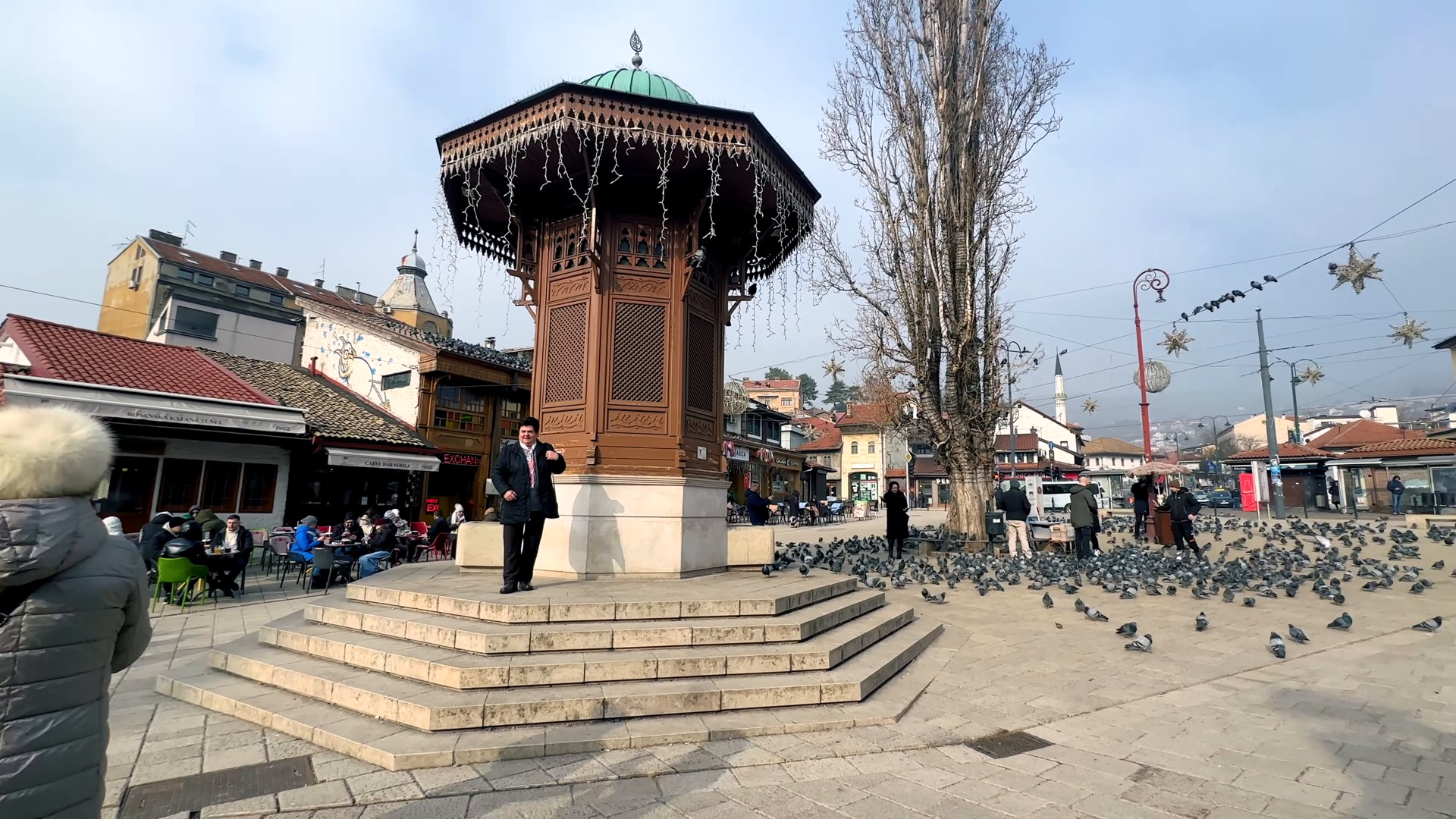
Official sources describe the country as a multicultural society in which mosques, Orthodox churches, Catholic churches and synagogues can be found within the same urban environment. The capital Sarajevo is the epitome of this and makes the ideal starting point for first-time visitors for its combination of Ottoman and Austro-Hungarian architecture with a fascinating twentieth-century history. Major attractions include Baščaršija, the Sebilj fountain, Gazi Husrev-beg Mosque, Sarajevo City Hall (Vijećnica), the Latin Bridge and the historic Jewish and Christian quarters. Traditional crafts remain important and in Sarajevo's old bazaar you’ll find copperware, jewellery, textiles and other handicrafts.
Explore
THE MANY FACES OF BOSNIA & HERZEGOVINA
One country, many journeys — from Ottoman bazaars and historic bridges to clear rivers, waterfalls and the high Dinaric Alps.
BRIDGES & BAZAARS
Mostar's celebrated bridge and Sarajevo's old bazaar reveal centuries of exchange between cultures, faiths and empires.
RIVERS & MOUNTAINS
Waterfalls, emerald rivers and forested peaks create an outdoor landscape that still feels wonderfully undiscovered.
LIVING HERITAGE
Coffee rituals, traditional crafts and generous hospitality bring the country's layered history into everyday life.
THOUGHT FOR FOOD
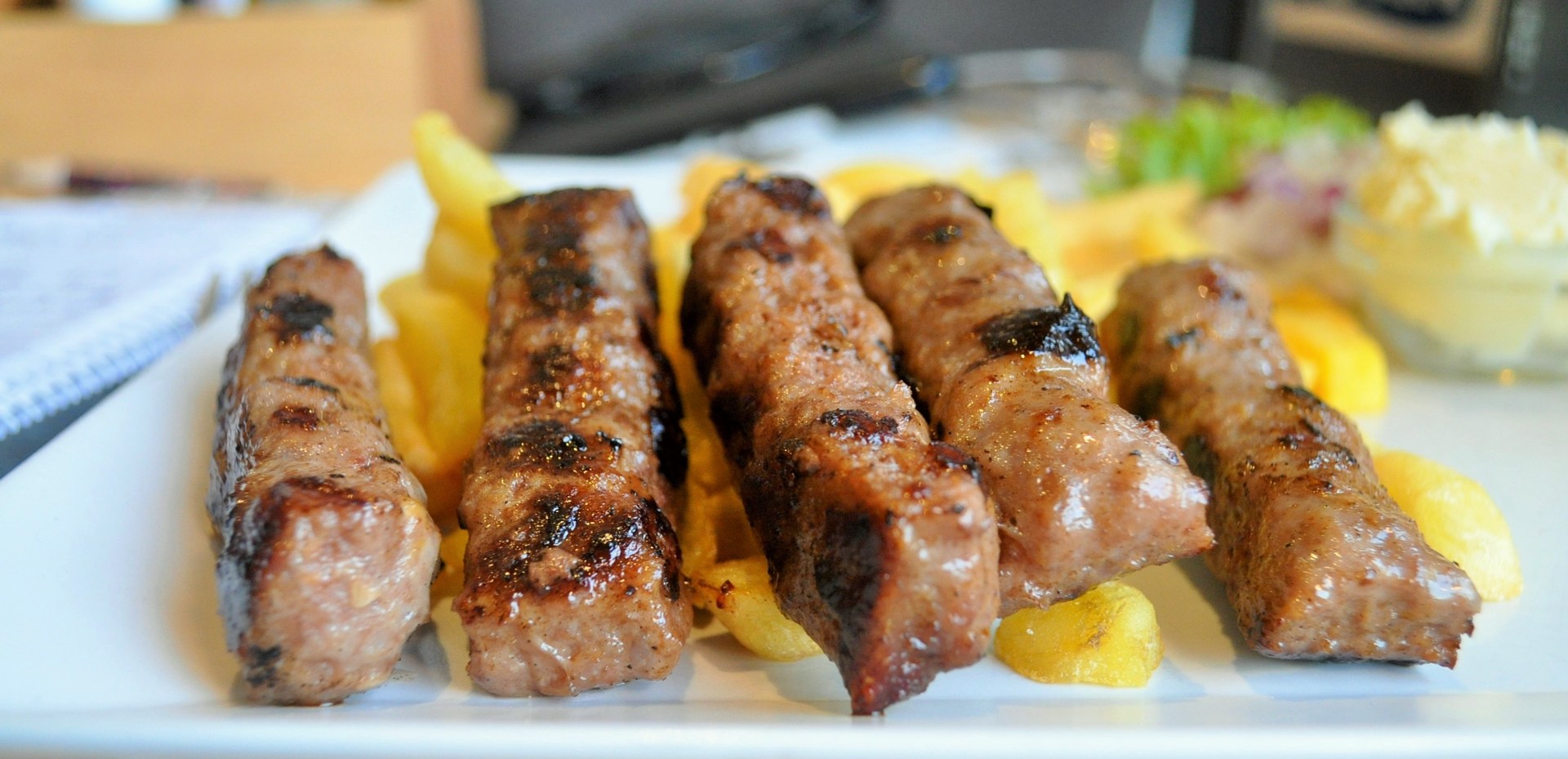
An essential part of any tourist experience is eating out and the local cuisine reflects centuries of Ottoman influence combined with Central European and Mediterranean traditions. Popular dishes include ćevapi, small grilled portions of minced meat usually served with flatbread and onions, burek and other varieties of filled pastry, begova čorba, a traditional soup, dolma, grilled meats, sarma, and bosanski lonac, a slow-cooked meat and vegetable dish.
Sweet dishes are strongly influenced by Ottoman culinary traditions. Baklava, hurmašice and other syrup-based pastries are in the food DNA. Coffee is a revered cultural experience, traditionally prepared in a small copper pot and served with a small cup and usually a sweet treat. In Herzegovina, visitors can explore local vineyards and the region's wine tradition, particularly around Mostar, Čapljina and Trebinje. The Herzegovina Wine Route is a noted attraction.
MAJOR BOSNIA-HERZEGOVINA TOURIST CITIES, SITES AND ATTRACTIONS
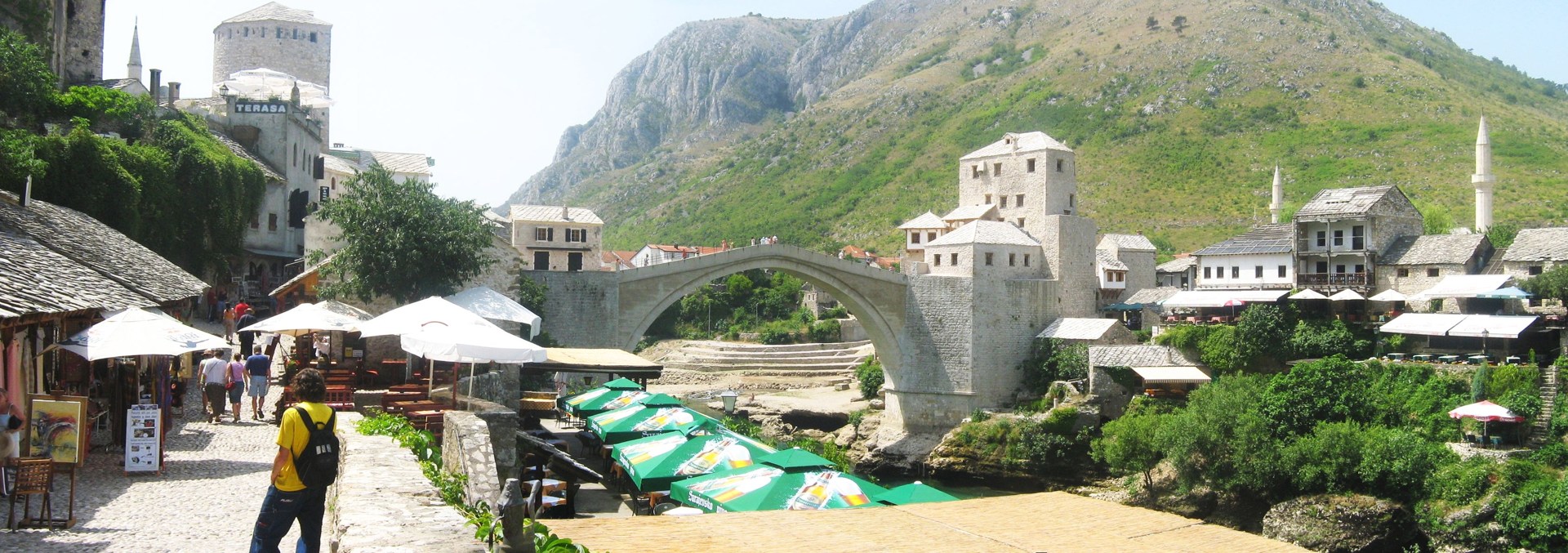
Mostar is probably the country's most famous tourist destination. Its centre is dominated by Stari Most, the magnificent Ottoman Old Bridge spanning the Neretva. Reconstructed in 2004, UNESCO describes the Old Bridge and surrounding historic city as an outstanding example of a multicultural urban settlement and a symbol of reconciliation.
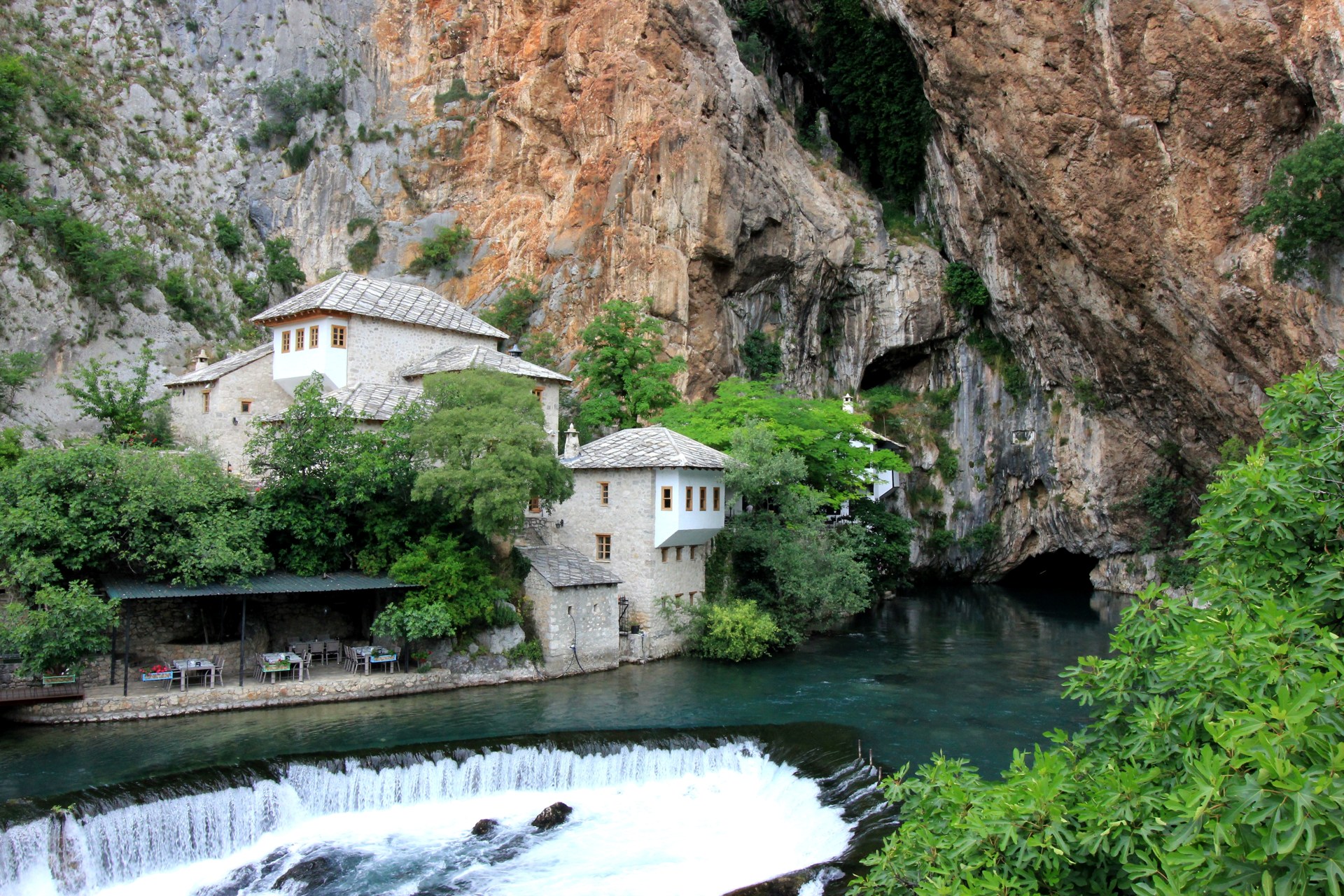
Around Mostar, visitors should also see the old bazaar, Koski Mehmed Pasha Mosque and the picturesque Neretva valley. Nearby Blagaj is another essential stop, famous for the Buna River spring and the historic Dervish monastery, or tekke, dramatically positioned beside the cliffs.
Jajce is one of Bosnia's most picturesque historic towns. Its medieval fortress rises above the town, while the spectacular Pliva Waterfall is located close to the historic centre. The natural and architectural ensemble of Jajce is on UNESCO’s ‘tentative’ list.
Once the seat of Ottoman viziers in Bosnia, Travnik, is famous for its fortress, Ottoman architecture and association with the writer Ivo Andrić. Višegrad is home to the Mehmed Paša Sokolović Bridge, a sixteenth-century Ottoman masterpiece designed by the celebrated architect Mimar Sinan. It is a UNESCO World Heritage Site and crosses the Drina River in a spectacular setting.
Banja Luka, the largest city of Republika Srpska, offers a different atmosphere, with parks, riverside scenery, cafés and historic religious buildings. Bihać is an excellent base for exploring the Una River and surrounding natural landscapes, while Trebinje in Herzegovina is known for its Mediterranean atmosphere, vineyards and historic architecture.
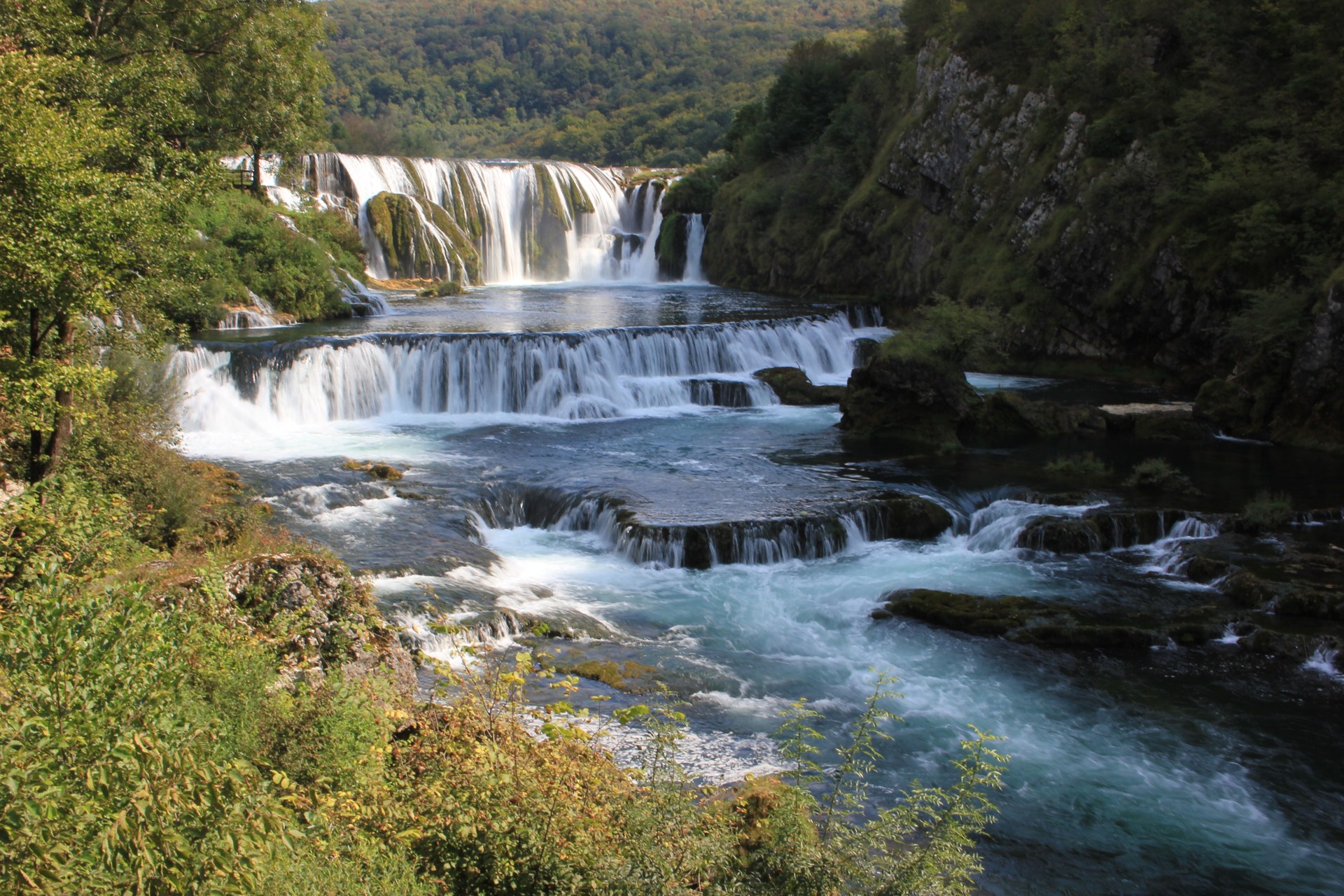
NATURE AND OUTDOOR TOURISM
Bosnia-Herzegovina is particularly good for those who love ‘the great outdoors’. The mountains are excellent for hiking, climbing and winter sports and the rivers, particularly the Una and the Vrbas, are popular for rafting, kayaking and fishing.
The Sutjeska National Park is home to Mount Maglić, the country's highest peak, and the dramatic Sutjeska valley. The Una National Park offers waterfalls, clear rivers and forested landscapes. In Herzegovina, the Vjetrenica Cave near Ravno is a remarkable karst cave and became a UNESCO World Heritage Site in 2024.
ALL THINGS CONSIDERED – HOW ABOUT THIS FOR AN INTRODUCTORY PACKAGE
Hopefully we have whetted your appetite to come and see this corner of the Balkans. For a first visit, the classic tourist trail of ‘must see’ places we would recommend to visit would run in this sort of order:
- Sarajevo for its historic centre
- Travnik’s Ottoman heritage
- Jajce’s fortress and waterfall
- Mostar and the Stari Most bridge
- Blagaj, to visit the Buna spring and Dervish tekke
Plus additional excursions to Višegrad, Sutjeska National Park, the Una region and Trebinje depending on available time. It’s a glorious combination of dramatic scenery and layered history that makes Bosnia-Herzegovina one of the most rewarding destinations on the Balkan tourist trail.
Cultural
Cultural Essence
BOSNIAN CUISINE
Bosnian cooking is generous and comforting, shaped by Ottoman, Mediterranean and Central European influences. Look out for ćevapi, burek, slow-cooked stews, stuffed vegetables, strong coffee and regional sweets such as baklava and tufahija.
CRAFT & TRADITION
Copperwork, woodcarving, woven textiles, sevdalinka music and the rituals of coffee and hospitality remain part of daily culture. Sarajevo and Mostar make this blend of faiths, architecture and living tradition especially vivid.
NEED MORE DETAIL – SPEAK TO A BALKAN EXPERT
If you need more detail about Bosnia-Herzegovina, or the possibility of combining this delightful country with other Balkan states, simply get in touch with:
OTHER BALKAN COUNTRIES TO EXPLORE
Photography credits
Photographs are displayed at web sizes and may be cropped to fit the layout.
- Blagaj – Vrelo Bune 3.jpg — Julian Nyča. CC BY-SA 3.0.
- Serbian Ćevapi.jpg — young shanahan. CC BY 2.0.
- Iglesia Nova Gracanica, Trebinje, Bosnia y Herzegovina, 2014-04-14, DD 04.jpg — Diego Delso. CC BY-SA 3.0.
- Mostar Old Town Panorama 2007.jpg — Ramirez. CC BY-SA 4.0.
- Stari Most Panorama.jpg — No machine-readable author provided. Mhare assumed (based on copyright claims).. CC BY-SA 2.5.
- The Sebilj in Sarajevo, Bosnia.png — followtheimprints. CC BY 3.0.
- Štrbački buk 1.jpg — Julian Nyča. CC BY-SA 3.0.