Explore Cyprus
EXPLORE THE ARTS, CRAFTS, MUSIC AND CULTURE OF CYPRUS
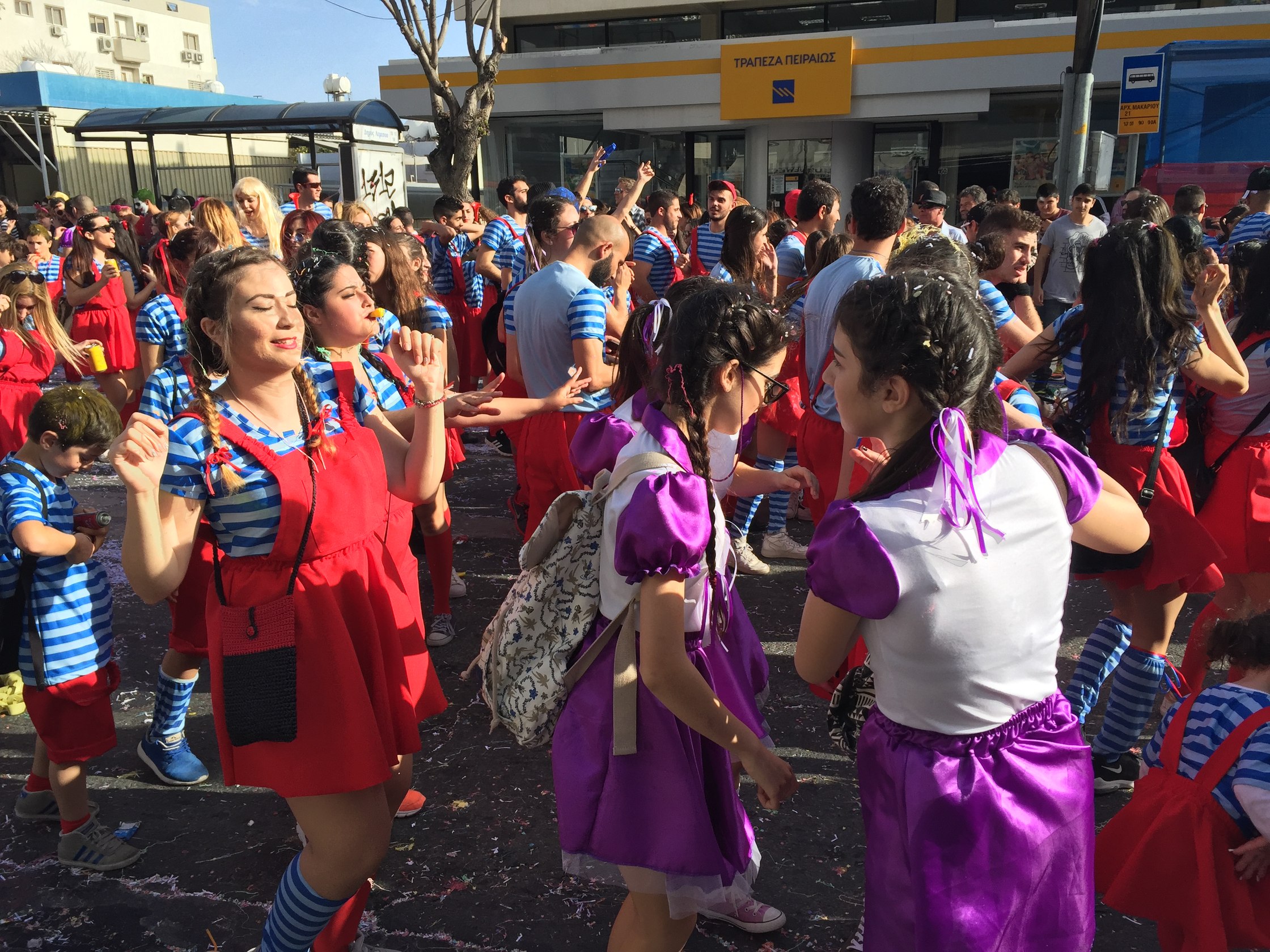
Performers at the Limassol Grand Carnival Parade · Euclidthalis · CC BY-SA 4.0 · Resized for web
Arts and artistic heritage
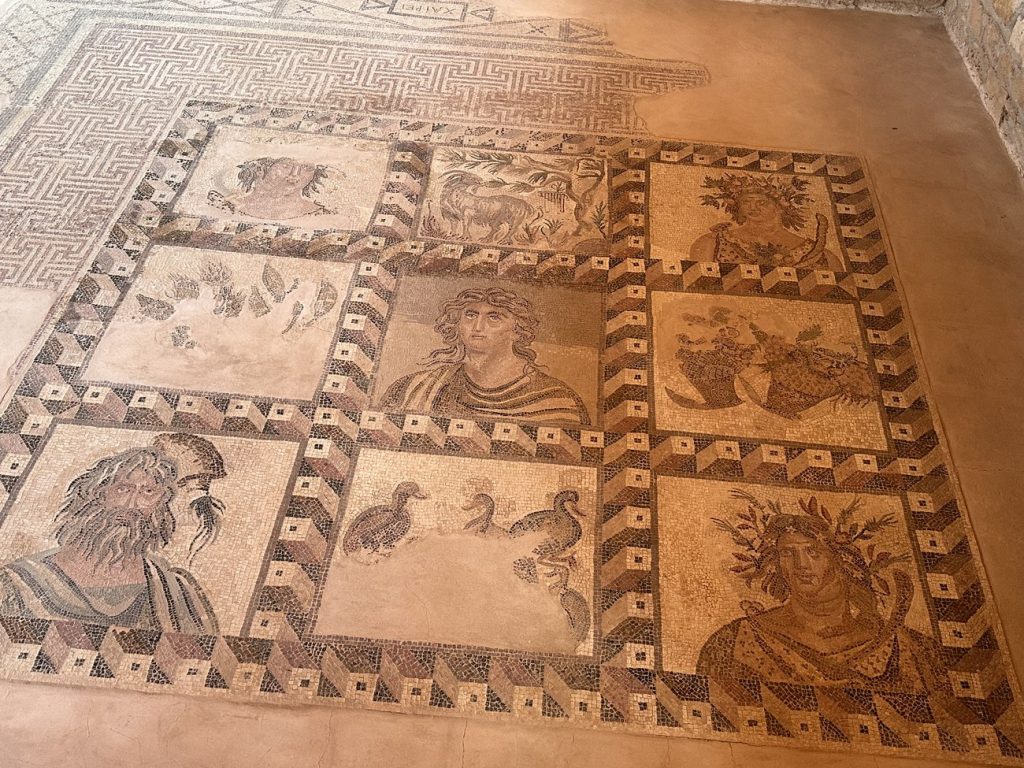
Art in Cyprus has a long history, dating back to ancient Greek and Roman times. Archaeological discoveries across the island reveal beautifully decorated pottery, mosaics, sculptures and jewellery, demonstrating the artistic skills of its early inhabitants. Some of the finest examples can be found at archaeological sites such as Paphos, where elaborate Roman mosaics depict scenes from Greek mythology.
One of the most important artistic traditions is Byzantine religious art. Churches and monasteries throughout Cyprus contain remarkable wall paintings, frescoes and religious icons, many of which date back several centuries. The painted churches of the Troodos Mountains are particularly significant and are recognised as a UNESCO World Heritage Site. Their colourful religious paintings provide a remarkable insight into the island's Christian heritage.
Modern Cypriot art combines traditional influences with contemporary European styles. Artists working in painting, sculpture, photography and other creative disciplines explore themes including history, landscape, identity and everyday island life. Galleries in Nicosia, Limassol and Paphos showcase the work of established and emerging artists.
Traditional crafts and handicrafts
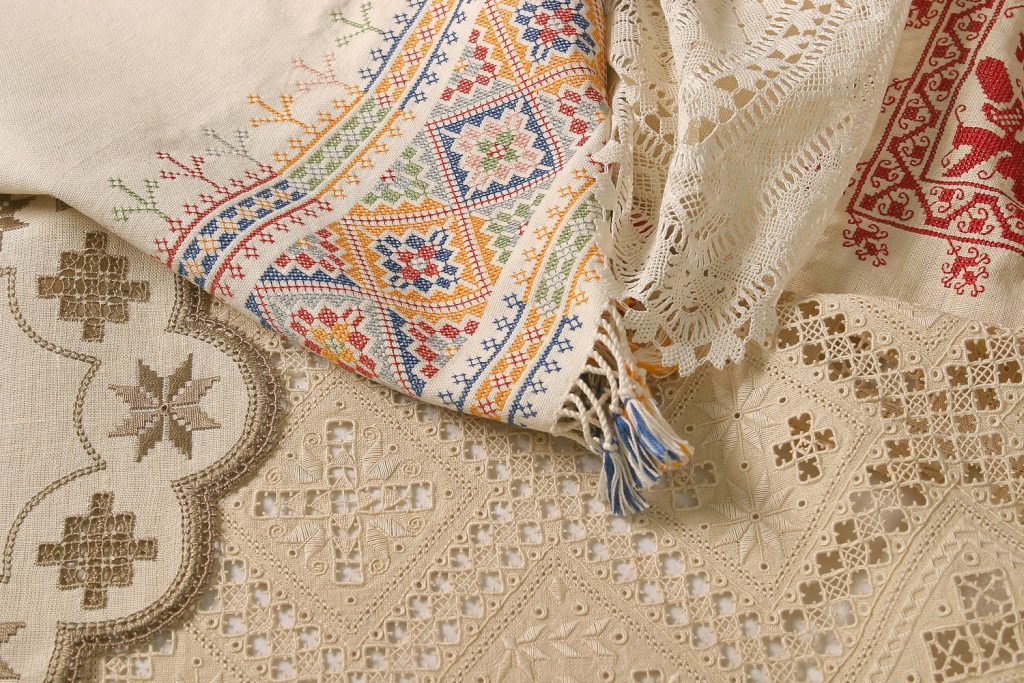
Traditional crafts are an important part of Cypriot culture, with many skills passed down through generations. Perhaps the most famous is Lefkaritika lace, produced in the village of Lefkara. This intricate handmade embroidery is internationally recognised for its geometric patterns and detailed stitching. It became so celebrated that, according to local tradition, Leonardo da Vinci visited Lefkara in the 15th century and purchased a piece of lace for Milan Cathedral. Lefkara lace is now recognised by UNESCO as part of the world's intangible cultural heritage.
Other traditional crafts include pottery, basket weaving, wood carving, embroidery and silver jewellery making. Cyprus has a particularly strong tradition of silversmithing, with craftsmen producing delicate filigree jewellery using fine threads of silver.
Traditional pottery villages, including Foini, are known for handmade ceramic bowls, jugs and decorative objects. These crafts often reflect the island's rural heritage and the practical needs of traditional village life. Visitors can discover these skills in village workshops, craft centres and local markets, where handmade products make memorable souvenirs.
Music and traditional dance
Music plays a central role in Cypriot social and cultural life. Traditional folk music reflects the island's Greek heritage, while also incorporating influences from the wider eastern Mediterranean. Cypriot instruments include the laouto (a long-necked lute), bouzouki and the tambourine. The violin is particularly important in traditional Cypriot music and is frequently used at weddings, village celebrations and festivals.
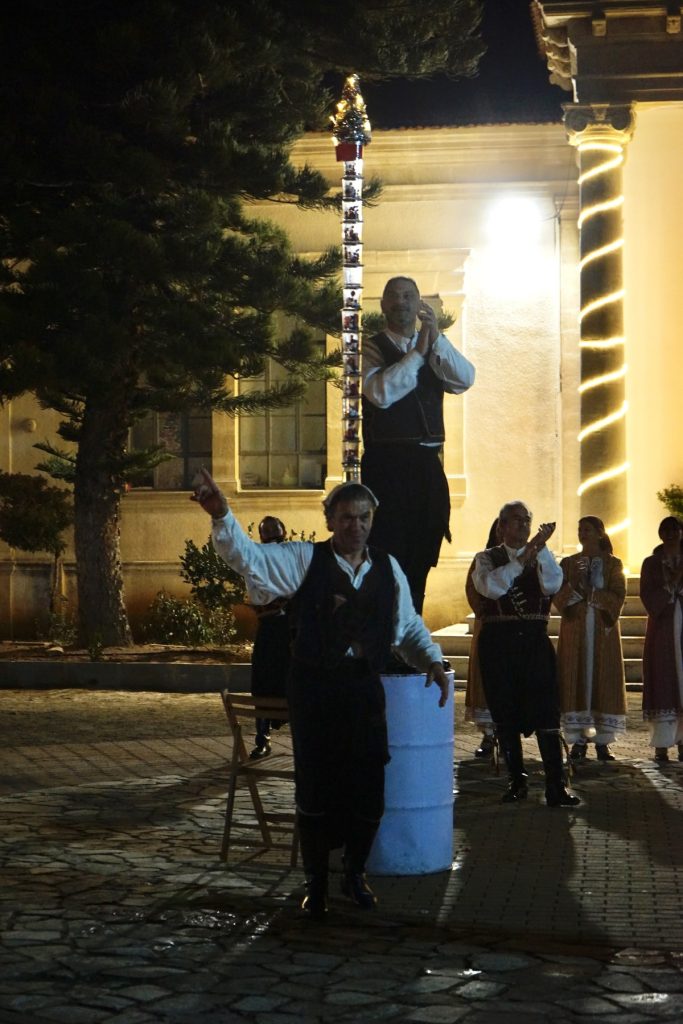
Folk songs often tell stories of love, family, rural life, historical events and the beauty of the Cypriot countryside. Many are performed at celebrations and accompanied by traditional dances. One of the best-known traditional dances is the syrtos, a lively group dance in which participants hold hands and move together in a circular or flowing line. Other dances include the zeibekiko and sousta. Traditional dancing is particularly popular during village festivals, weddings and national celebrations, when locals and visitors can experience the island's lively atmosphere.
Everyday culture and Cypriot hospitality
Perhaps the most appealing aspect of Cypriot culture is its emphasis on family, community and hospitality. Traditional village life remains important, particularly in the countryside, where local customs and social traditions continue to be celebrated. The village kafenio, or coffee shop, is an important meeting place where residents gather to talk, play backgammon and enjoy traditional (strong!) Cypriot coffee. Family gatherings are equally important, with meals often becoming lengthy social occasions involving generous quantities of food, conversation and hospitality.
Religion, particularly Greek Orthodox Christianity, has also influenced the island's customs, architecture, festivals and calendar. Easter is one of the most significant celebrations, marked by church services, traditional foods, music and family gatherings.