
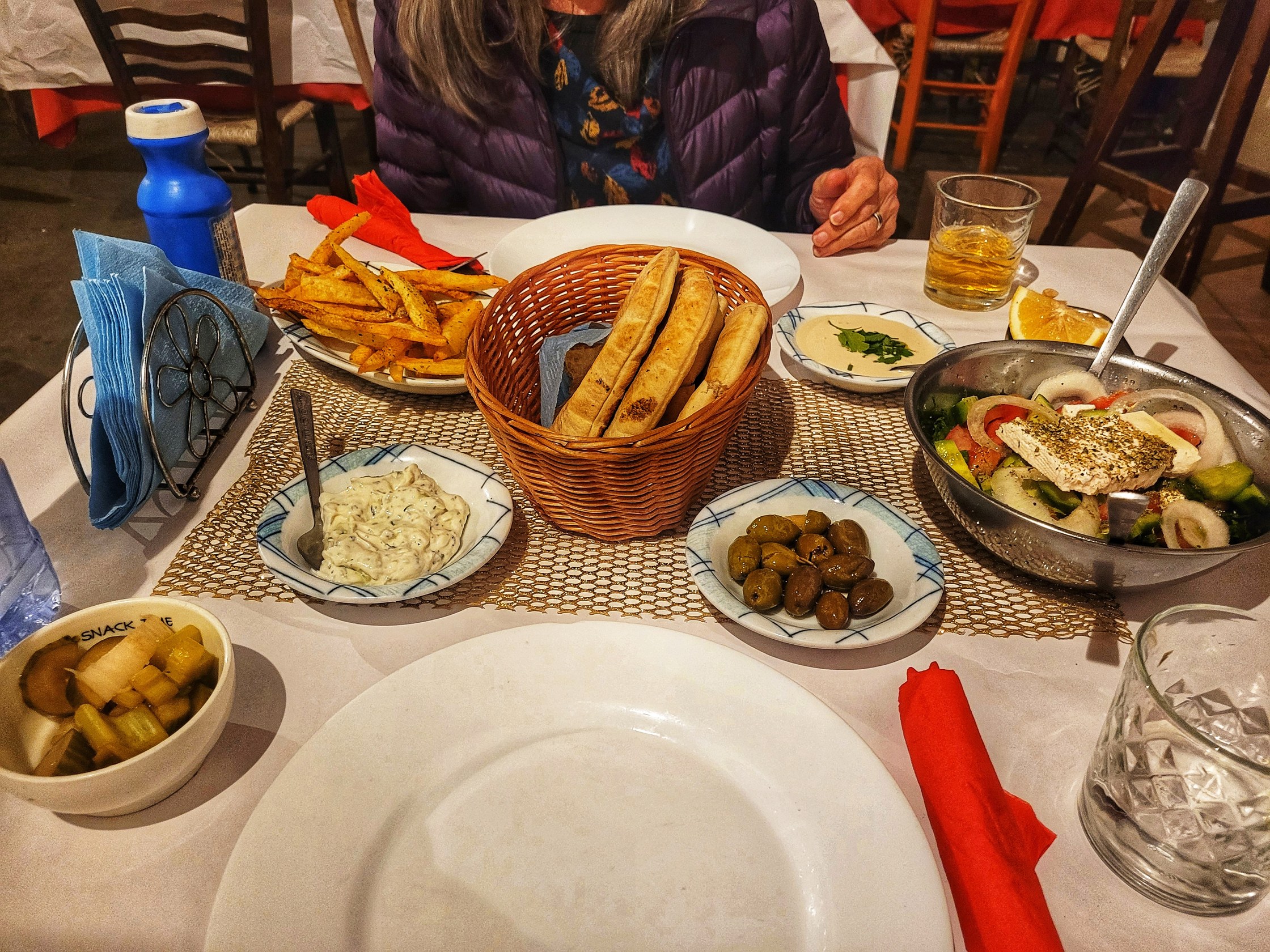
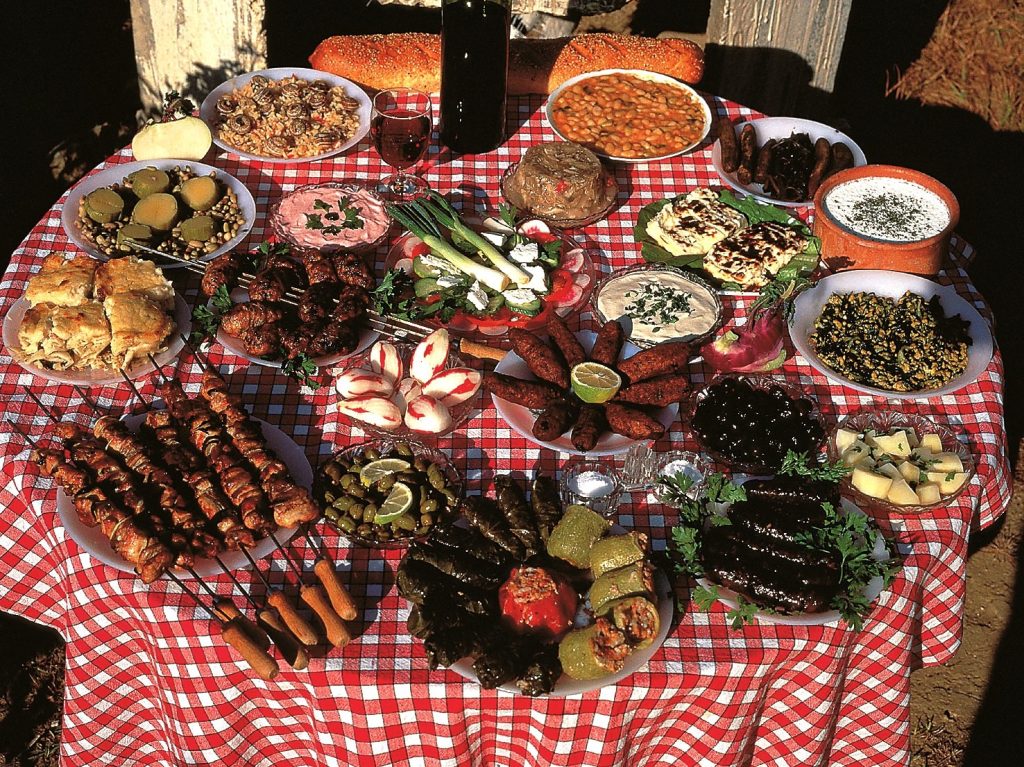
Cypriot cuisine is one of the island's greatest attractions. It combines fresh Mediterranean ingredients, locally grown vegetables, olive oil, herbs, citrus fruits, seafood, grilled meats and locally produced cheeses. A very important part of Cypriot dining is ‘meze’. Rather than being offered a single dish, meze comes as a selection of numerous small dishes served throughout the course of a meal. A traditional meze meal can consist of 15–30 different dishes and is designed to be shared with family and friends. Local delicacies can include hummus, olives, tahini, grilled vegetables, village salad, dips, seafood, sausages, grilled meats and cheeses. All things considered the food and wine of Cyprus is worth a visit to this lovely island in its own right.
Signature Cypriot dishes
The menu in a traditional Cypriot taverna will usually include:
- Souvla: Large pieces of lamb, pork or chicken cooked slowly on long skewers over charcoal.
- Kleftiko: Traditionally lamb slow-cooked in a sealed oven with herbs until extremely tender.
- Sheftalia: Small traditional Cypriot sausages made from minced pork or lamb, herbs and onion, wrapped in caul fat.
- Moussaka: Layers of aubergine, minced meat and creamy béchamel sauce.
- Stifado: A slow-cooked meat and onion stew, often prepared with beef or rabbit.
- Afelia: Pork marinated in red wine and coriander seeds before being cooked.
- Fresh seafood: Octopus, sea bass, sea bream, calamari and prawns are popular, particularly in coastal restaurants.
Fresh bread, olives, seasonal salads and locally produced olive oil are important parts of everyday meals.
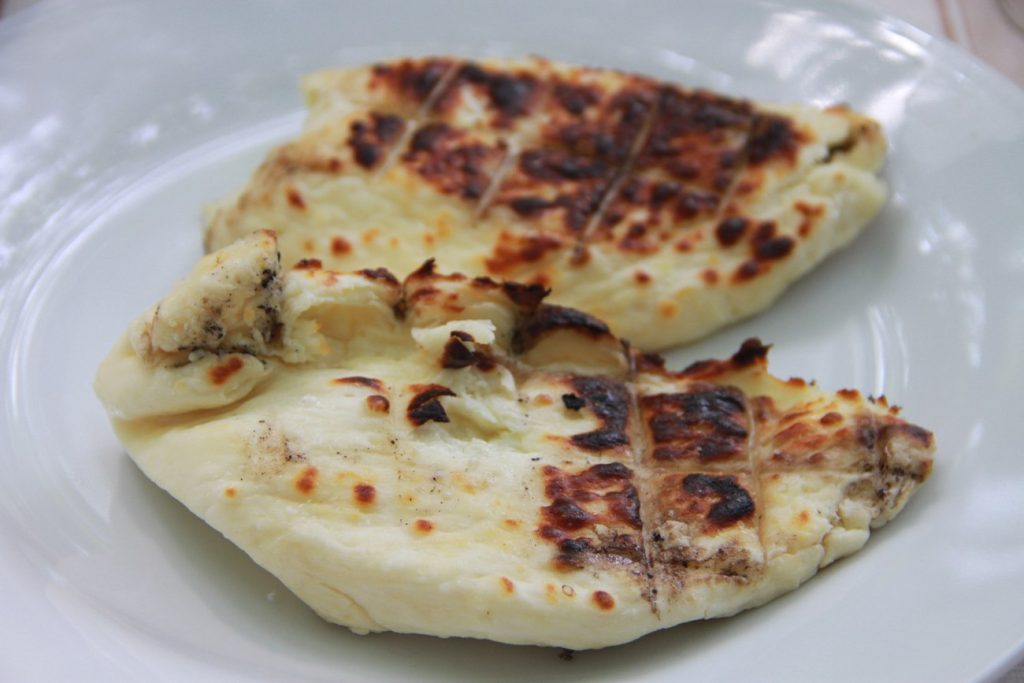
One of the most famous Cypriot foods is halloumi, a semi-hard cheese traditionally made from a mixture of sheep's and goat's milk, sometimes with cow's milk. It has a distinctive salty flavour and can be grilled or fried without melting. Halloumi is enjoyed throughout the island and has become one of Cyprus's best-known exports.
Traditional Sweets and Drinks
Cyprus also has a wonderful selection of traditional desserts. Popular examples include baklava, made with layers of filo pastry, nuts and syrup, and loukoumades, small fried dough balls covered in honey or syrup.
Another traditional speciality is glyko tou koutaliou, meaning spoon sweets. These are preserved fruits, nuts or vegetables served in syrup, traditionally offered to guests as a sign of hospitality.
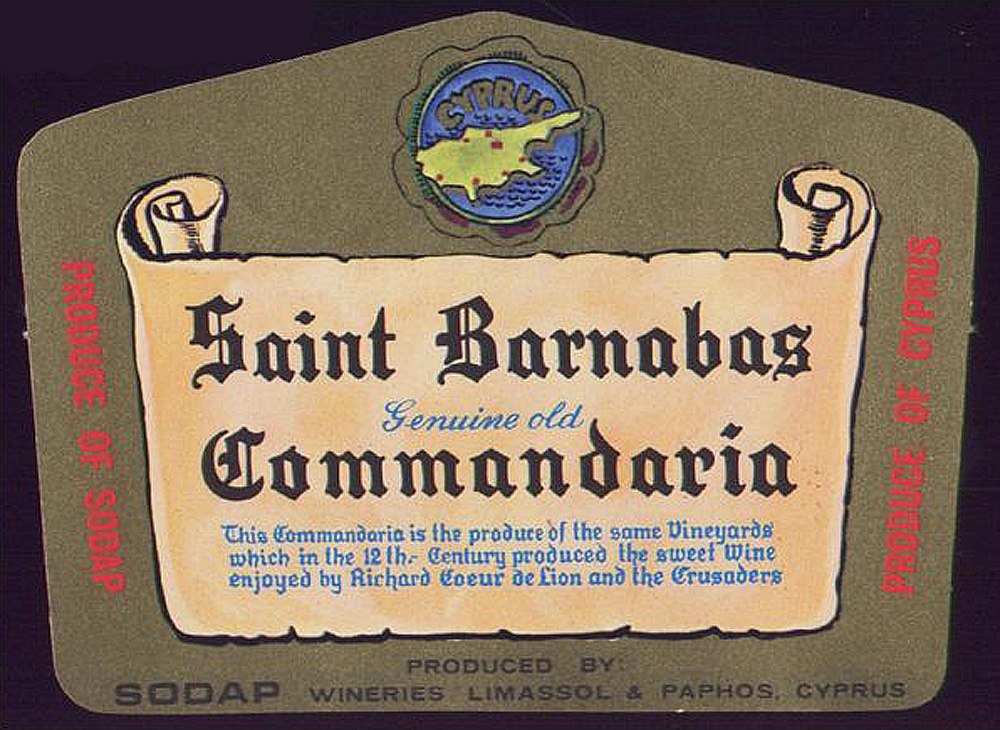
Cyprus has a long history of winemaking, with vineyards found particularly in the Troodos Mountains. Its most famous traditional wine is Commandaria, a naturally sweet amber-coloured dessert wine believed to have origins dating back many centuries. It is often described as one of the world's oldest named wines.
Other traditional drinks include zivania, a strong spirit made from grape pomace, local wines, Cypriot coffee and refreshing fresh citrus juices.
Cypriot wine
The island of Cyprus has one of the oldest wine-making traditions in the world, with a history stretching back more than 5,000 years. Wine has played an important role in the island's culture, economy and social life since ancient times, and today Cyprus is enjoying a revival as a destination for wine enthusiasts. Its combination of Mediterranean sunshine, mountainous vineyards, indigenous grape varieties and traditional wine-making methods produces a distinctive range of wines that are increasingly attracting international attention.
A long history of wine-making
Wine production in Cyprus dates back to at least the Bronze Age, with archaeological discoveries providing evidence of ancient wine-making. The island's position in the eastern Mediterranean made it an important trading centre, allowing Cypriot wine to reach markets across the ancient world. During the Roman and Byzantine periods, wine continued to be an important agricultural product. Later, under Frankish and Venetian rule, Cypriot wines became particularly well regarded in European markets.
One of the island's most famous historical wines is Commandaria, a sweet dessert wine often described as one of the world's oldest named wines still in production. Its origins are traditionally associated with the medieval period and the Knights of St John, and its reputation has survived for centuries.
Commandaria: Cyprus's legendary wine
No visit to Cyprus would be complete without tasting Commandaria, whose cultural importance was recognised internationally when Commandaria wine-making was inscribed on UNESCO's Representative List of the Intangible Cultural Heritage of Humanity in 2025.
This famous, amber-coloured dessert wine is made from sun-dried Xynisteri and Mavro grapes, which concentrate their natural sugars before fermentation. The resulting wine is rich, sweet and complex, with flavours of honey, caramel, dried fruits, raisins, nuts and spices. Commandaria is only produced in a designated area comprising 14 traditional villages on the southern slopes of the Troodos Mountains. Traditionally aged in oak barrels, it is enjoyed after dinner, alongside desserts, dried fruits or mature cheeses.
Cyprus vineyards and wine-growing regions
The island's Mediterranean climate is ideal for viticulture, with long, hot, dry summers and relatively mild winters. Rainfall is limited during the growing season, while the mountainous terrain provides a variety of soils and elevations. These conditions help produce grapes with concentrated flavours and good natural ripeness. Most of Cyprus's traditional vineyards are found in the foothills and surrounding countryside of the Troodos Mountains, particularly in the Limassol and Paphos districts. The elevated terrain provides cooler temperatures than the coastal plains, helping grapes to ripen gradually and retain their character.
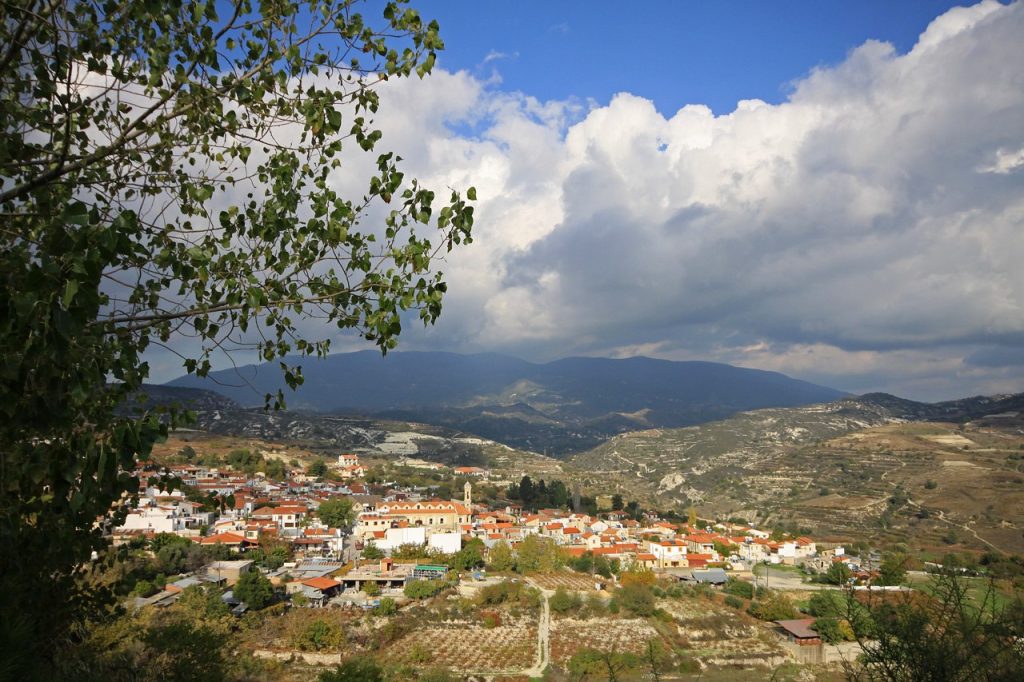
The region around Omodos, Koilani, Arsos and Vouni is particularly associated with traditional wine production. These picturesque villages combine historic stone buildings, narrow streets, family-run wineries and vineyards that have been cultivated for generations. The wine-growing areas also offer wonderful opportunities for visitors to explore rural Cyprus, sample local produce and discover the island's agricultural traditions.

Cypriot indigenous grape varieties
One of the most interesting aspects of Cypriot wine is the use of indigenous grape varieties, many of which have been cultivated on the island for centuries.
The most important include:
- Xynisteri: The island's most widely grown white grape. It produces fresh, light-bodied wines, often with citrus, apple, pear and floral aromas. These wines are particularly enjoyable when served chilled and are excellent accompaniments to seafood, salads and grilled fish.
- Maratheftiko: One of Cyprus's most exciting red grape varieties. It produces deeply coloured, full-bodied wines with flavours of dark berries, cherries, spices and aromatic herbs. It is increasingly popular among wine enthusiasts looking for something different.
- Mavro: A traditional red grape which produces lighter-coloured, relatively soft wines. Although not always as highly regarded as Maratheftiko, it remains important to the island's wine-making heritage.
- Ofthalmo: An indigenous red variety grown in smaller quantities, producing distinctive wines that contribute to the diversity of Cypriot wine.
Modern Cypriot wineries also cultivate international varieties such as Cabernet Sauvignon, Shiraz, Merlot, Chardonnay and Sauvignon Blanc, combining established European wine-making techniques with local growing conditions.
Wine tourism and visiting Cypriot wineries
Wine tourism is an increasingly attractive part of a holiday in Cyprus. The island has seven designated wine routes, taking visitors through beautiful mountain scenery, traditional villages and established wine-producing districts. Popular destinations include Omodos, Koilani, Vouni and Arsos, where visitors can explore family-run wineries, learn about local grape varieties and enjoy wine tastings. Many producers welcome visitors for guided tours, explaining the harvesting, fermentation and ageing processes.
The Krasochoria wine villages, situated in the Limassol district, are particularly popular. The Commandaria route also provides an opportunity to discover the historic villages associated with the island's most famous wine. Wine tasting can easily be combined with sampling traditional Cypriot cuisine. Local wines complement dishes such as grilled halloumi, souvlaki, lamb kleftiko, fresh fish, olives and traditional meze.
To fully explore the tastes of Cyprus you need the best local guide
Cyprus is a wonderful place for ‘foodies’ and gastronomes in search of a different taste experience. You can easily spend a week here visiting vineyards and exploring both sophisticated restaurants and local beachfront or mountain tavernas. But you need somebody who knows the very best places to give pleasure to the palate.
General Manager Cyprus
Email Karolos →Photo credits for related guides
- View from Mount Olympus across the Troodos Mountains · Serhio Magpie · CC BY 4.0 · Resized for web
- The Greco-Roman theatre at Kourion · A.Savin, Wikipedia · Free Art License · Resized for web
- Performers at the Limassol Grand Carnival Parade · Euclidthalis · CC BY-SA 4.0 · Resized for web
- Nissi Beach and its turquoise bay at Ayia Napa · dronepicr · CC BY 2.0 · Resized for web