Explore Cyprus
HISTORY, ARCHAEOLOGY AND CLASSICAL ANCIENT SITES IN CYPRUS
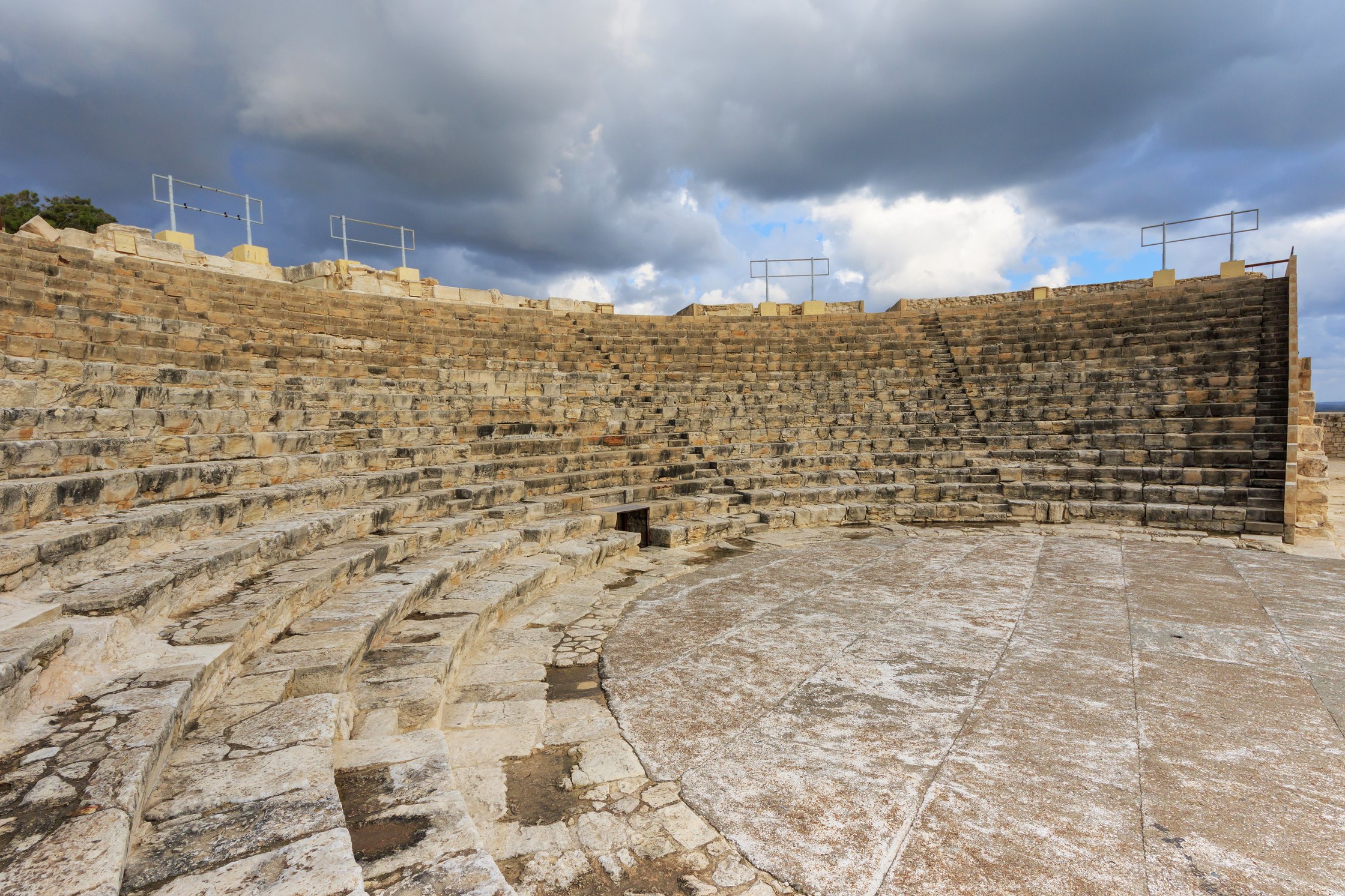
The Greco-Roman theatre at Kourion · A.Savin, Wikipedia · Free Art License · Resized for web
Ancient Cyprus – The Beginnings of Civilisation
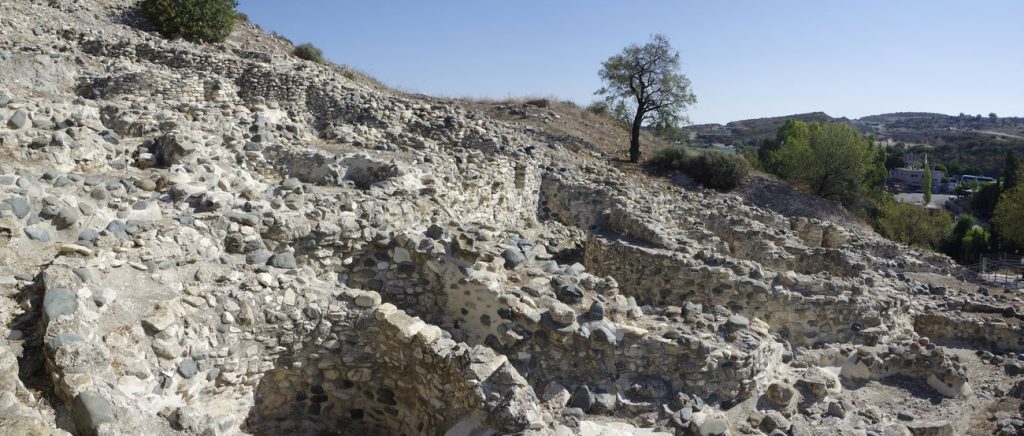
The earliest evidence of human settlement in Cyprus dates back to approximately 10,000 BC. One of the most important prehistoric archaeological sites is Choirokoitia, a UNESCO World Heritage Site considered to be one of the most important prehistoric sites in the eastern Mediterranean. Located near Larnaca it contains the remains of a Neolithic settlement dating from approximately 7000 BC. Its circular stone houses, defensive structures and evidence of organised community life provide remarkable insights into how some of the island's earliest inhabitants lived.
By the Bronze Age (approximately 2500–1050 BC), Cyprus had become an important centre for copper production. Indeed, the island's name is closely associated with copper, a metal that helped establish its wealth and international trading connections. Cyprus developed commercial links with Egypt, the Near East and the Aegean world. Greek influence became particularly significant from around 1200 BC, when Mycenaean Greek settlers arrived on the island. They brought their language, religious traditions and cultural practices, helping shape the Greek character that remains central to Cypriot identity today.
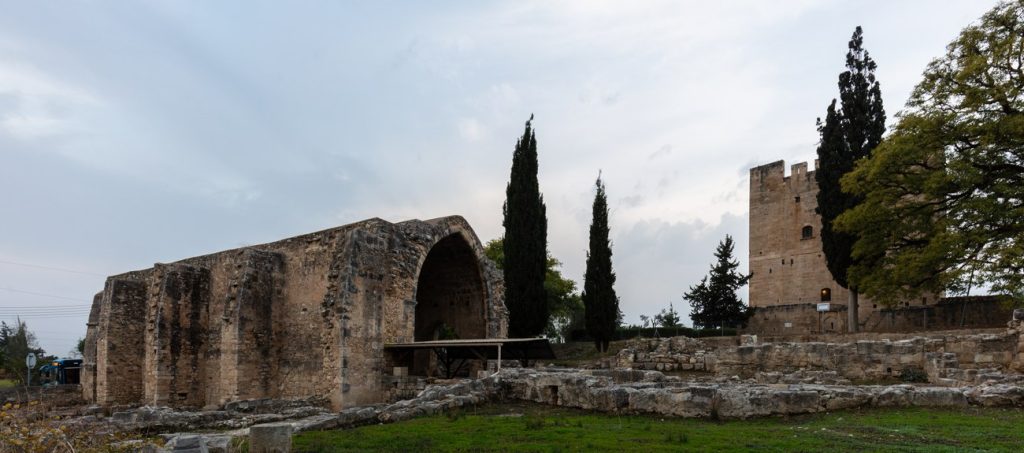
A fine example of this can be seen at Kourion, an important ancient city-kingdom and later a prosperous Roman settlement. Its magnificent Greco-Roman theatre, which overlooks the Mediterranean Sea, is one of the island's most recognisable historic landmarks. Other attractions include the House of Eustolios, with its beautiful floor mosaics, ancient public buildings and impressive bath complexes.
The Roman Period – Cities, Mosaics and Engineering
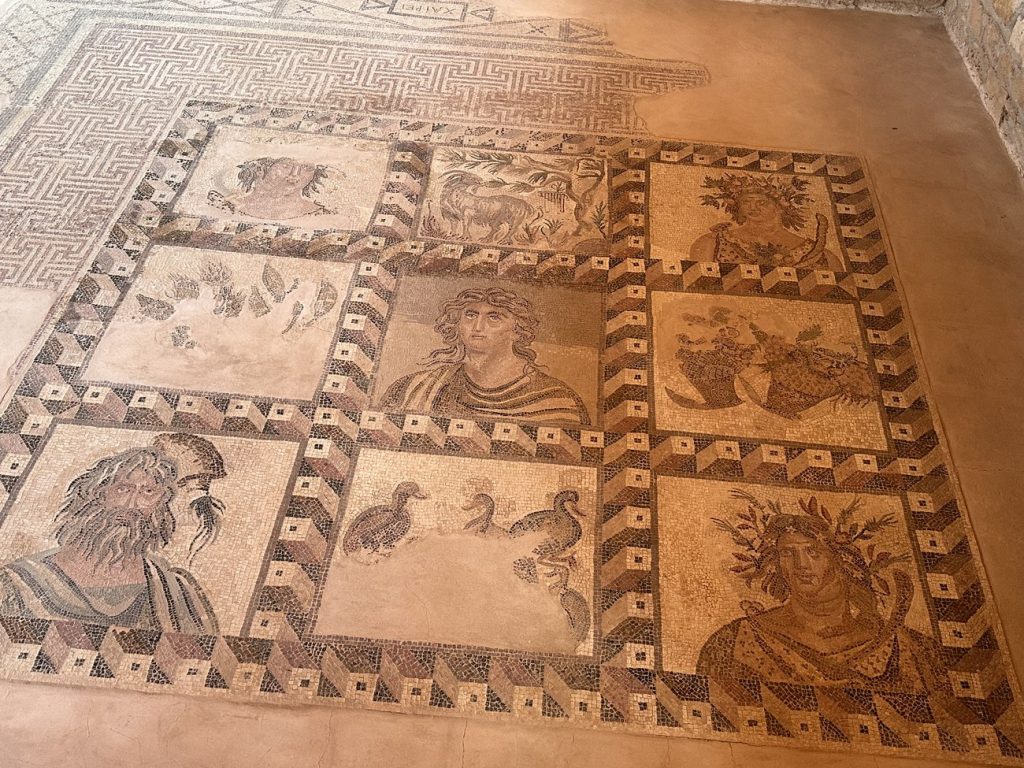
The Roman period in Cyprus began in the first century BC. Some of the island’s most famous Roman archaeological treasures can be found at Kato Paphos Archaeological Park, another UNESCO World Heritage Site. The park is internationally renowned for its extraordinarily preserved Roman mosaics, particularly those depicting scenes from Greek mythology. The House of Dionysos, House of Theseus and House of Aion contain intricate artwork illustrating gods, heroes and mythological stories. Nearby stands the ancient Odeon, a small Roman theatre, alongside the remains of ancient public buildings and streets.
The famous Tombs of the Kings are another outstanding attraction. Despite their name, these monumental underground tombs were not exclusively used for royalty. Dating mainly from the Hellenistic and Roman periods, they were constructed for wealthy individuals and important officials. Their impressive rock-cut chambers and Doric columns demonstrate the wealth and architectural sophistication of ancient Paphos.
Byzantine Cyprus – Churches, Monasteries and Religious Treasures
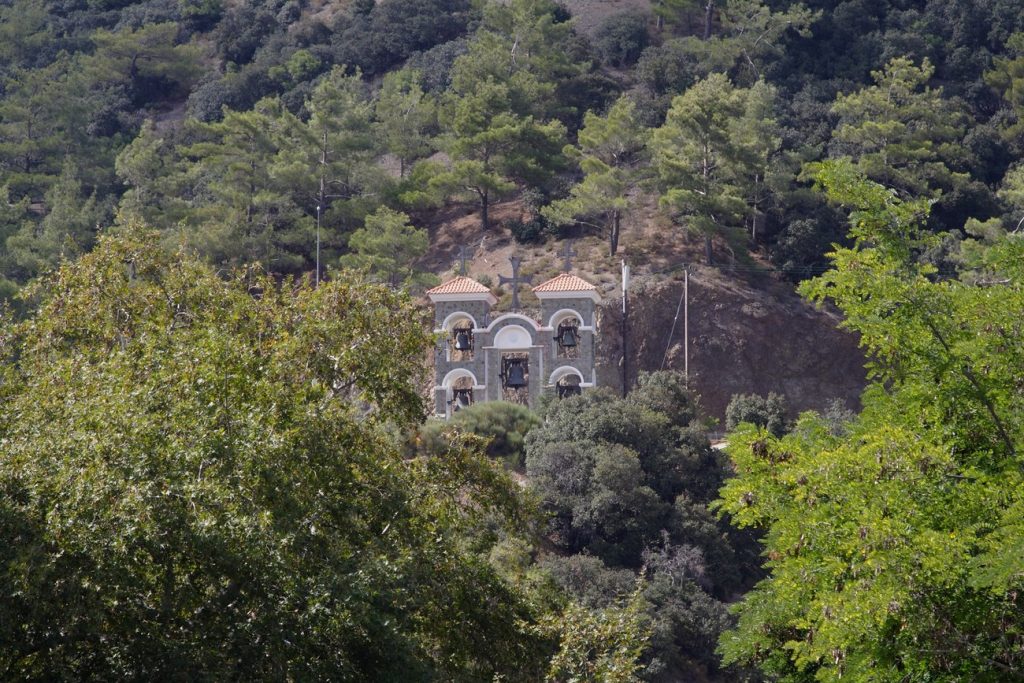
Following the division of the Roman Empire, Cyprus became an important centre of Byzantine Christianity. Churches and monasteries were constructed throughout the island, many decorated with remarkable frescoes, icons and religious artwork.
The Troodos Mountains contain ten churches recognised collectively as a UNESCO World Heritage Site. Particularly noteworthy are:
- Agios Nikolaos tis Stegis – famous for its Byzantine frescoes.
- Panagia tou Arakou – renowned for its exceptional 12th-century wall paintings.
- St John Lampadistis Monastery – an important religious complex containing centuries of religious art.
Another famous religious landmark is Kykkos Monastery, founded in the 11th century. It is particularly famous for its richly decorated interiors and an icon of the Virgin Mary traditionally attributed to St Luke. The monastery also houses a museum containing important religious and historical artefacts.
Medieval Cyprus – Castles, Crusaders and Venetian Fortifications
During the medieval period, Cyprus became an important strategic and political centre. Following the Crusades, the island came under the rule of the Lusignan dynasty (1192–1489), which introduced significant European architectural and cultural influences. Some of the most impressive medieval landmarks include:
- Kolossi Castle – a 15th-century fortress associated with the Knights Hospitaller and the production of Commandaria wine.
- St Hilarion Castle – a spectacular mountain fortress offering breathtaking views and illustrating the island's defensive importance.
- Kyrenia Castle – a historic coastal fortress with origins in the Byzantine period and later Lusignan and Venetian modifications.
The Venetians controlled Cyprus from 1489 until the Ottoman conquest in 1571. During this period, substantial defensive walls were constructed around Nicosia and Famagusta. The famous Venetian Walls of Nicosia remain an outstanding example of Renaissance military architecture.