
EXPLORE SERBIA
SERBIA: GREAT RIVERS, LIVING HISTORY
Serbia is a fascinating destination in the heart of the Balkans, where Central European, Byzantine, Ottoman and Slavic influences meet. Although it is often overlooked in favour of better-known neighbours such as Croatia, Greece and Montenegro, Serbia offers an unusually varied tourist experience: lively historic cities, medieval monasteries, Roman ruins, dramatic mountains and river gorges, traditional villages, excellent food and a distinctive artistic heritage. The country is particularly attractive to travellers interested in history and culture, but its landscapes also provide opportunities for hiking, skiing, boating and wildlife tourism.
HISTORY AND HISTORICAL ATTRACTIONS
Serbia's history stretches from prehistoric settlements to the modern Balkan state. One of the most remarkable prehistoric sites is Lepenski Vir, on the banks of the Danube in eastern Serbia. Dating back around 7,000 years, it provides evidence of one of Europe's earliest settled communities. The nearby Vinča archaeological culture is another important reminder of Serbia's very ancient human history.
The Roman period left an especially strong legacy. The territory of modern Serbia was incorporated into the Roman Empire, and numerous Roman roads, settlements and military sites remain. Serbia is notable for the large number of Roman emperors born in the region. The most spectacular Roman monument is Felix Romuliana, the palace complex built for the emperor Galerius near Gamzigrad. It is a UNESCO World Heritage Site and is one of the country's essential historical excursions.
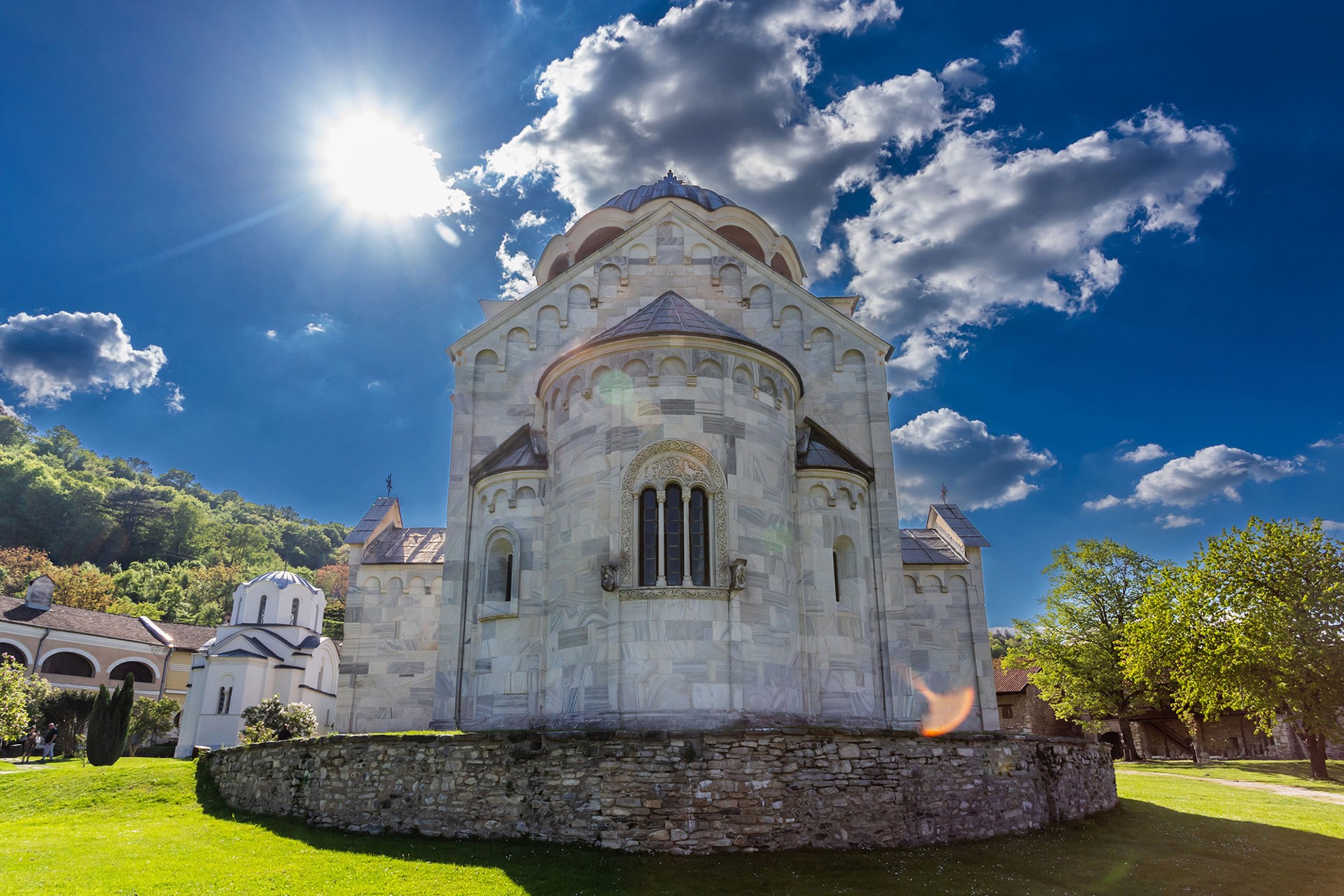
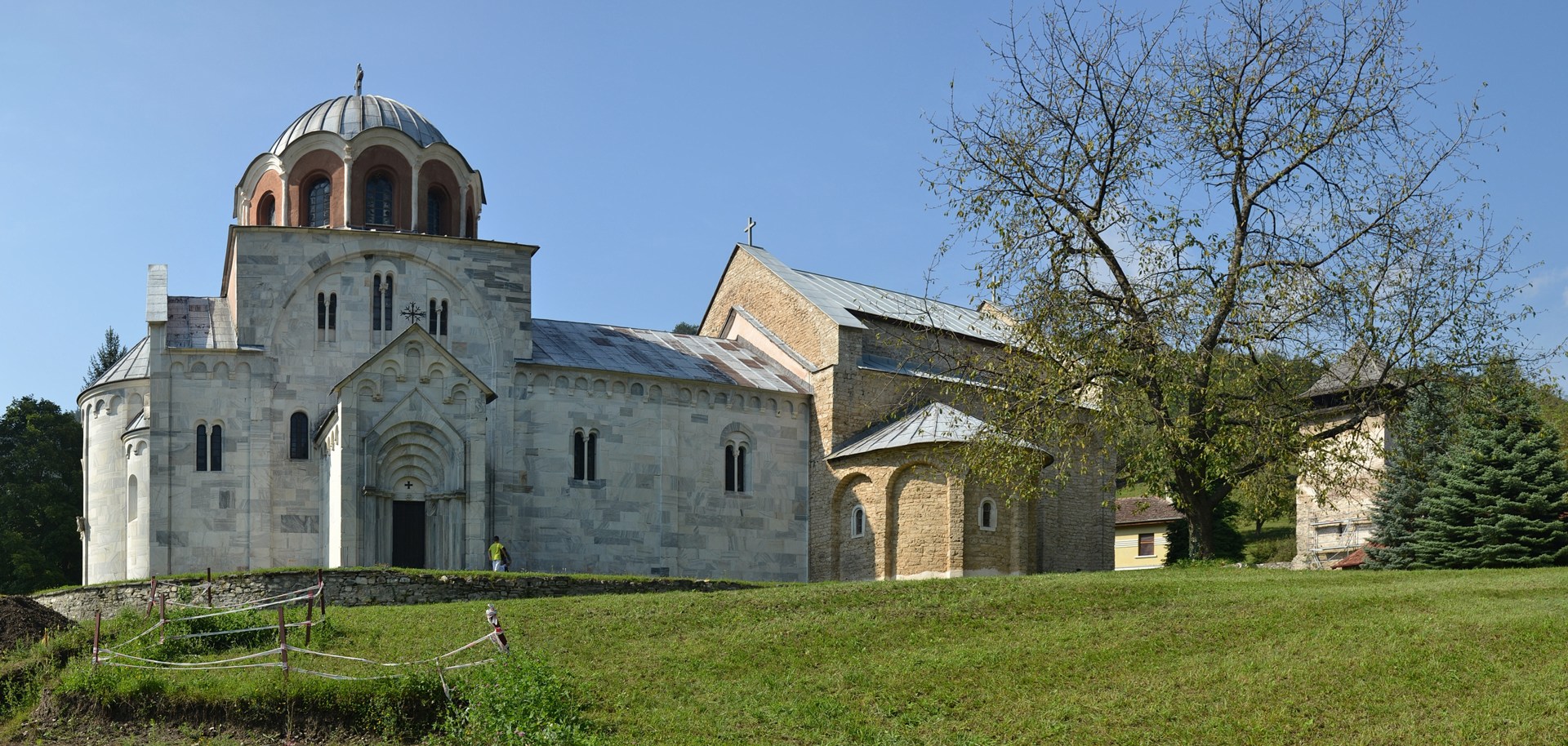
Medieval Serbia reached its cultural and political height under the Nemanjić dynasty. Stari Ras, near Novi Pazar, was an early capital of the Serbian state, while monasteries such as Studenica, Sopoćani and Đurđevi Stupovi preserve outstanding examples of medieval architecture and fresco painting. Studenica, founded in the late 12th century by Stefan Nemanja, is particularly important and has been a UNESCO World Heritage Site since 1986.
Later Serbia experienced centuries of Ottoman rule, followed by the growth of autonomous and independent Serbia in the 19th century. The country's position between the Ottoman and Habsburg worlds gave it a complex historical identity. The 20th century brought the creation and eventual dissolution of Yugoslavia, two world wars, and major political changes. Travellers can explore this history through museums, memorials, fortresses and architecture throughout the country.
GEOGRAPHY AND TOPOGRAPHY
Serbia is a landlocked country situated at the crossroads of southeastern and central Europe. Its landscape changes considerably from north to south. The northern province of Vojvodina forms part of the broad and fertile Pannonian Plain. Here the land is relatively flat, with agricultural fields, waterways and historic towns.
Further south, the terrain becomes increasingly hilly and mountainous. Western Serbia is characterised by forested mountains, valleys and spectacular river canyons, while central and southern Serbia contain extensive mountain ranges and plateaus. The Danube and Sava rivers are particularly important geographical features, meeting at Belgrade and providing a natural focus for settlement and trade.
Serbia's national parks demonstrate the diversity of its topography. Among its outstanding national parks are Fruška Gora, Đerdap, Tara and Kopaonik. Đerdap is famous for the Iron Gate gorge on the Danube, while Tara is noted for forests, wildlife and the endemic Serbian spruce. Kopaonik is Serbia's major mountain resort and an important skiing destination.
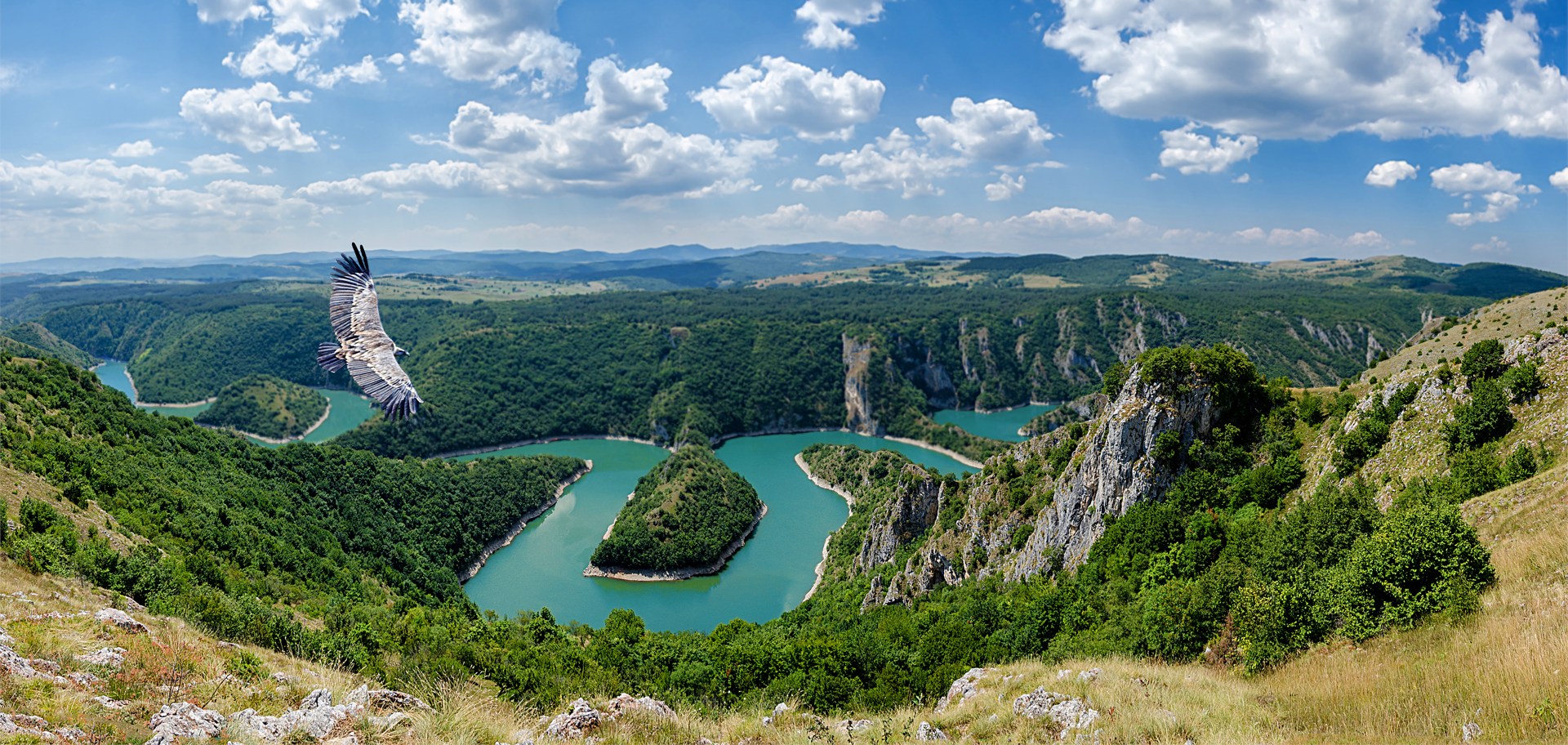
Other major natural attractions include the Drina River canyon, the viewpoints of Tara National Park, the winding meanders of the Uvac River, and the unusual rock formations of Đavolja Varoš (Devil's Town). Zlatibor is one of Serbia's best-established mountain resorts and attracts visitors throughout the year.
Explore
THE MANY FACES OF SERBIA
One country, many journeys — from energetic Danube cities and medieval monasteries to forested mountains, river gorges and traditional villages.
DANUBE CITIES
Belgrade and Novi Sad pair riverside fortresses and elegant streets with cafés, galleries, music and famously energetic nightlife.
MEDIEVAL HERITAGE
Studenica, Sopoćani and the monasteries of central Serbia preserve architecture and frescoes of exceptional importance.
WILD LANDSCAPES
The Iron Gate, Tara, Uvac and the country's mountain parks offer deep gorges, forests, wildlife and far-reaching viewpoints.
CITIES AND THE TOURIST TRAIL
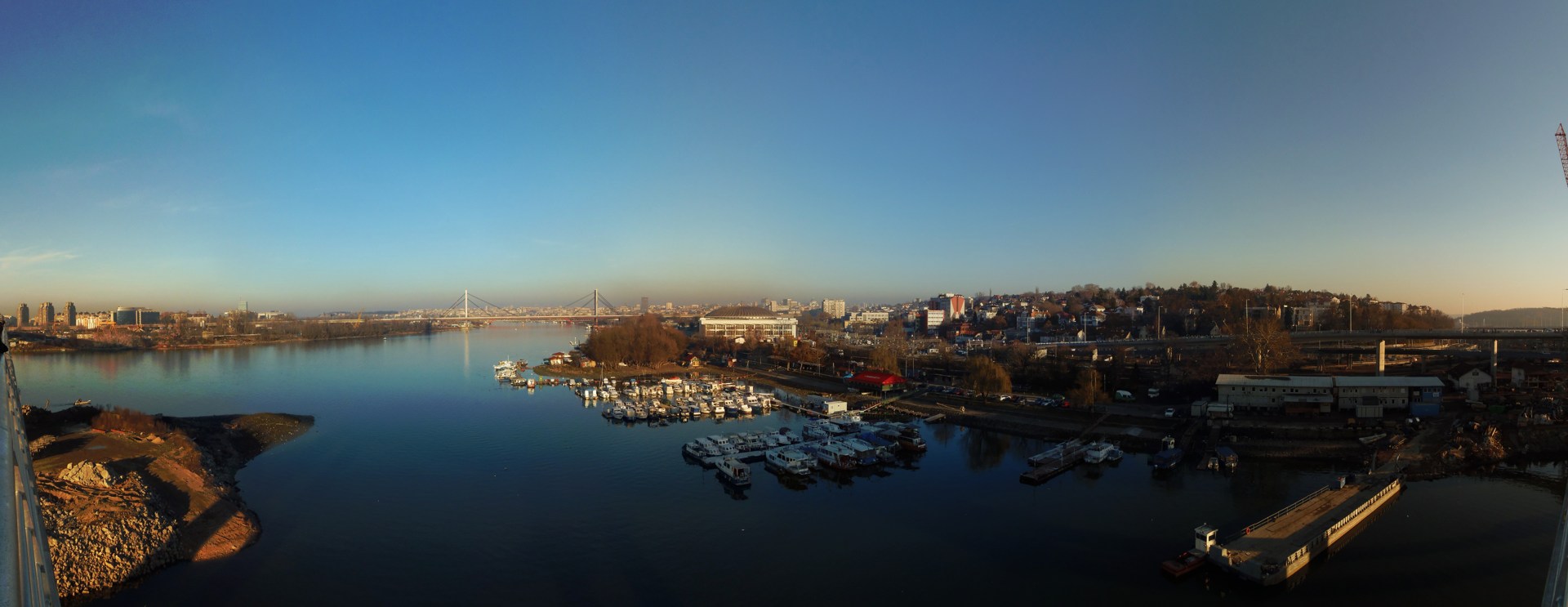
The obvious starting point is Belgrade, Serbia's capital. Situated where the Sava meets the Danube, Belgrade has been a strategically important settlement for centuries. The principal attraction is Belgrade Fortress and Kalemegdan Park, offering extensive views over the two rivers. Visitors should also explore Knez Mihailova Street, the National Museum, the National Theatre, Skadarlija's historic quarter and the city's Orthodox churches and museums. The city combines historic architecture with a famously energetic café, restaurant and nightlife culture.
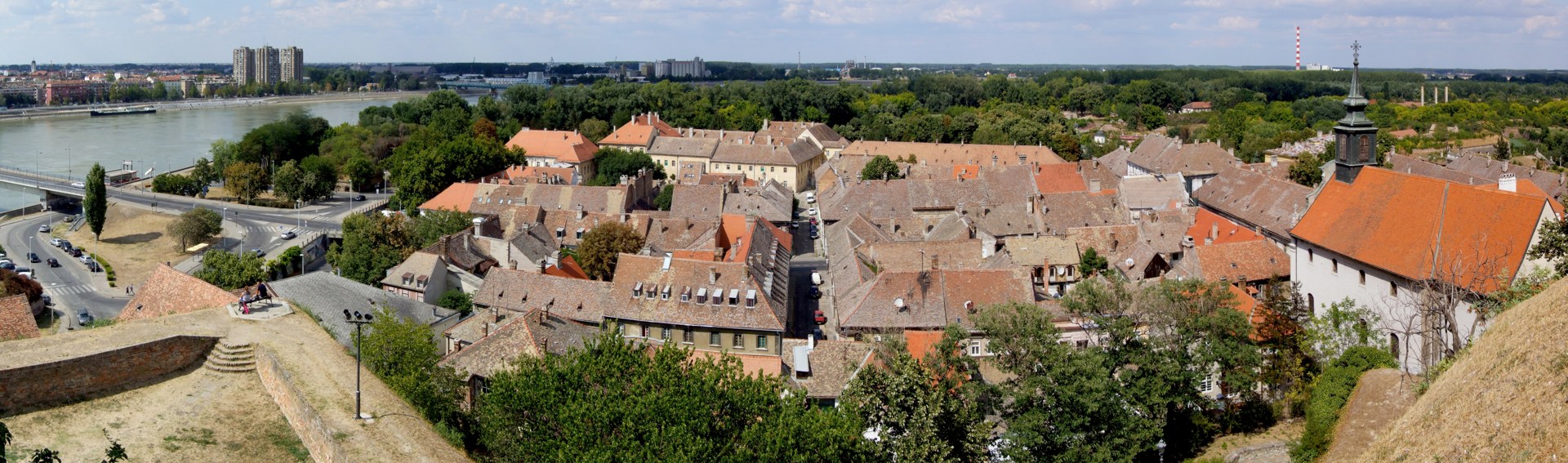
Novi Sad, on the Danube, is Serbia's second major city and the cultural centre of Vojvodina. Its principal landmark is Petrovaradin Fortress, dramatically positioned above the river. The old city centre, with its elegant Austro-Hungarian architecture, pedestrian streets and cafés, provides a contrast to Belgrade. Novi Sad is also the gateway to Fruška Gora, whose monasteries, forests and vineyards make it an excellent day-trip destination.
Niš, in southern Serbia, is another major stop. Located on historic routes between Europe and the Balkans, it has Roman, Byzantine and Ottoman connections. The Niš Fortress, the archaeological site of ancient Naissus and the Skull Tower are among its principal attractions.
Other worthwhile cities and towns include Kragujevac, associated with modern Serbian statehood and the Second World War; Novi Pazar, close to the medieval monuments of Stari Ras and Sopoćani; Subotica, famous for its distinctive Art Nouveau architecture; and Sremski Karlovci, a picturesque historic town surrounded by vineyards.
RELIGION AND MEDIEVAL ART
Religion has played an enormous role in Serbian cultural history. The Serbian Orthodox Church is particularly important, and monasteries are among the country's greatest tourist attractions. Medieval Serbian churches combine Byzantine traditions with Western and Romanesque influences, producing distinctive architectural forms.
Studenica Monastery is a must-see, especially for its white marble architecture and medieval frescoes. Sopoćani Monastery is renowned for frescoes regarded as masterpieces of Byzantine and Serbian medieval art. The wider Stari Ras complex includes the ancient Church of St Peter, Đurđevi Stupovi Monastery and the remains of the medieval capital. UNESCO describes the Sopoćani frescoes as among the finest surviving examples of Byzantine and Serbian medieval art.
Other important monasteries include Žiča, Mileševa, Manasija and Ravanica. Together they form an important cultural route through central and southern Serbia.
Serbian artistic traditions are not confined to medieval frescoes. The country has a strong modern and contemporary art scene, including museums and galleries in Belgrade and Novi Sad. Serbia is also known internationally for Kovačica naive painting, a distinctive folk-art tradition recognised by UNESCO as part of the country's intangible cultural heritage.
FOOD AND CULTURE
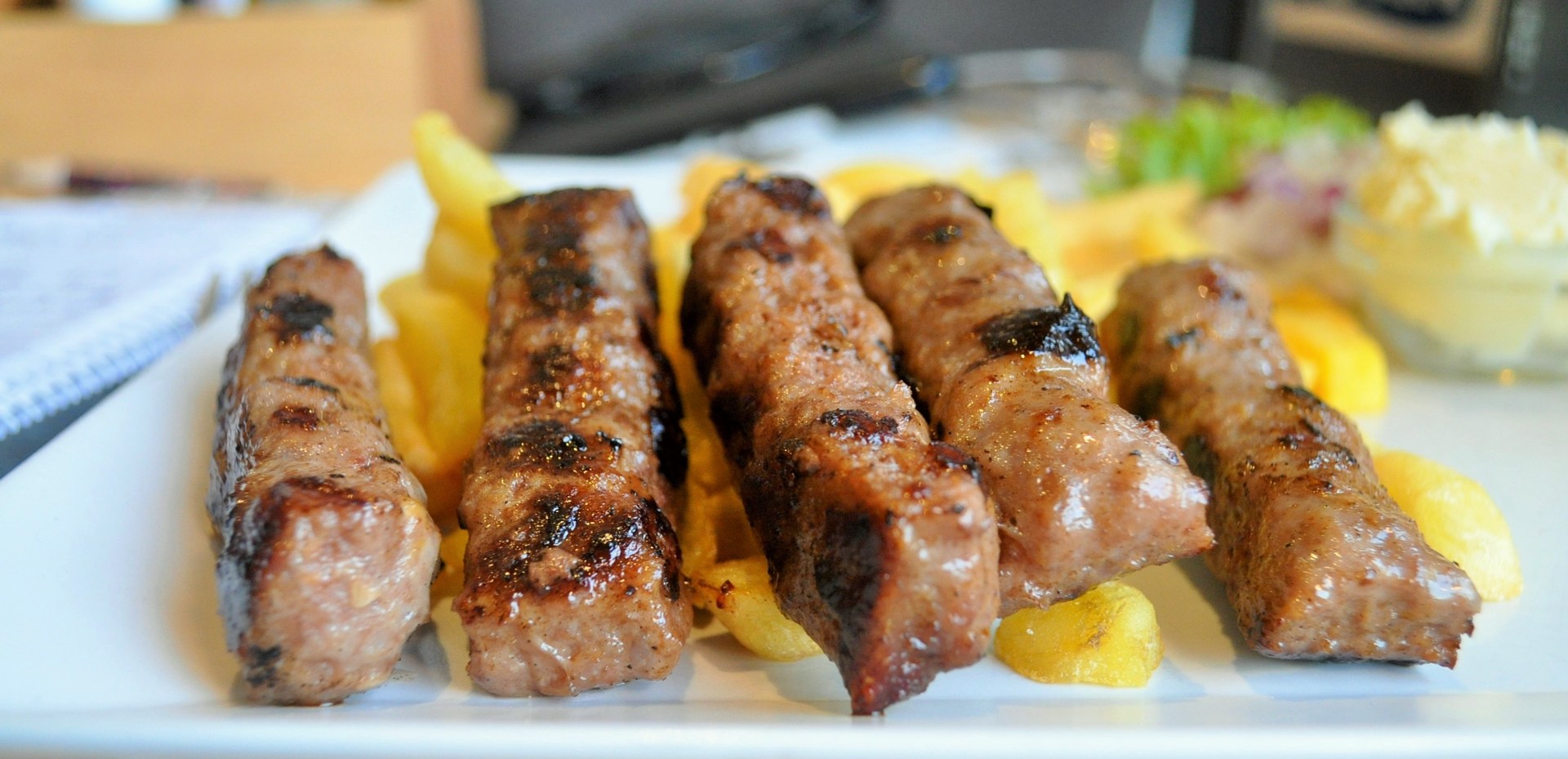
Food is one of the pleasures of travelling through Serbia. Serbian cuisine combines Slavic, Balkan, Ottoman and Central European influences. Visitors should try ćevapi, small grilled portions of minced meat; pljeskavica, a seasoned meat patty; sarma, stuffed cabbage or vine leaves; and prebranac, baked beans prepared in a traditional style.
Breakfast and snacks often include burek, while kajmak, a rich dairy product, accompanies many traditional meals. Serbian food is particularly enjoyable when combined with local bread, cheeses, salads and grilled meats. Plum brandy, or šljivovica, is an important traditional drink, while Serbia also has a growing wine industry, particularly around Fruška Gora and the historic vineyards of eastern and central Serbia.
Culture remains strongly connected to music, dance and family traditions. Kolo, a traditional circle dance, and slava, the Orthodox Christian tradition of celebrating a family's patron saint, are recognised as elements of Serbia's intangible cultural heritage. Traditional pottery from Zlakusa and the craft of making plum brandy are also UNESCO-recognised traditions.
MUST-SEE PLACES
A first-time visitor should prioritise Belgrade, Novi Sad and Petrovaradin Fortress, Niš, Studenica, Stari Ras and Sopoćani, Felix Romuliana, Đerdap and the Iron Gate, Tara National Park, Zlatibor, and Kopaonik. The Uvac viewpoints, Fruška Gora monasteries, Sremski Karlovci, Manasija Monastery and the traditional village of Sirogojno are excellent additions for a longer journey.
Serbia's appeal ultimately lies in its variety. In a relatively compact country, a traveller can move from the lively streets of Belgrade to Roman ruins, medieval monasteries, Ottoman-era towns, Danube landscapes and forested mountain resorts. The combination of history, topography, religion, art, food and hospitality makes Serbia one of the Balkans' most rewarding destinations for travellers prepared to explore beyond the conventional tourist trail. Its UNESCO-listed heritage and extensive natural and cultural attractions provide an especially strong foundation for cultural tourism.
Cultural
Cultural Essence
SERBIAN CUISINE
Serbian cuisine blends Balkan, Ottoman and Central European influences. Ćevapi, pljeskavica, sarma, kajmak, burek and slow-cooked dishes are joined by regional wines and the traditional plum brandy known as šljivovica.
LIVING TRADITIONS
Kolo dancing, family slava celebrations, folk music, pottery and village crafts remain part of living culture. Medieval frescoes sit alongside a strong modern art scene in Belgrade and Novi Sad.
PLAN YOUR VISIT WITH A BALKAN EXPERT
For more detail about Serbia, or to combine your visit with other Balkan destinations, get in touch with our local experts.
OTHER BALKAN COUNTRIES TO EXPLORE
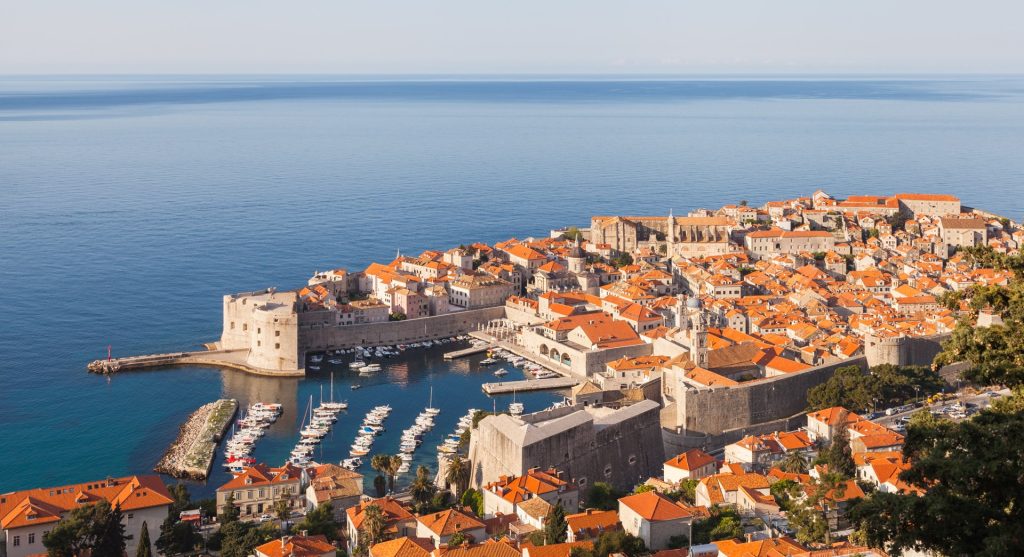
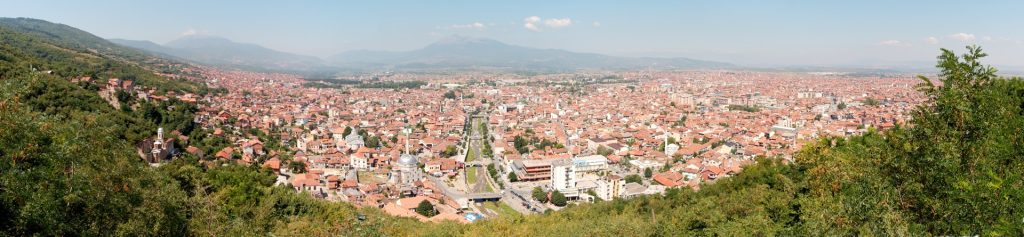
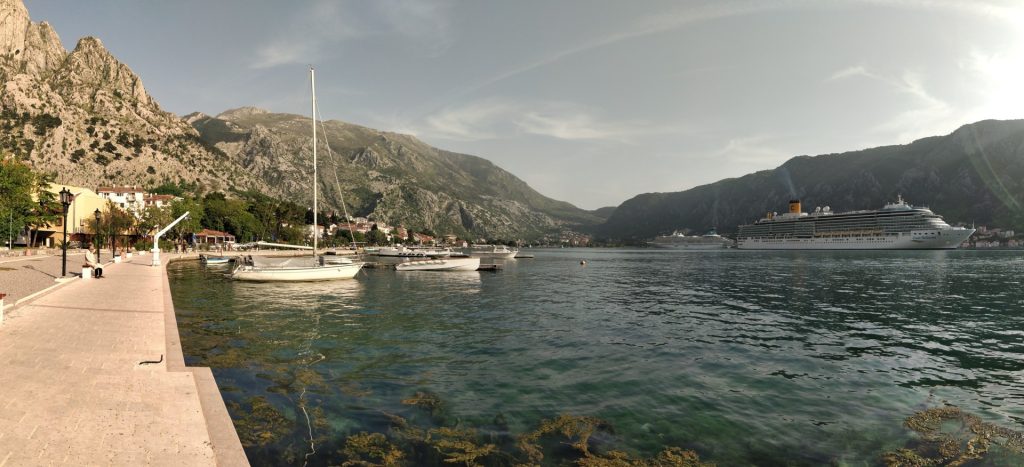
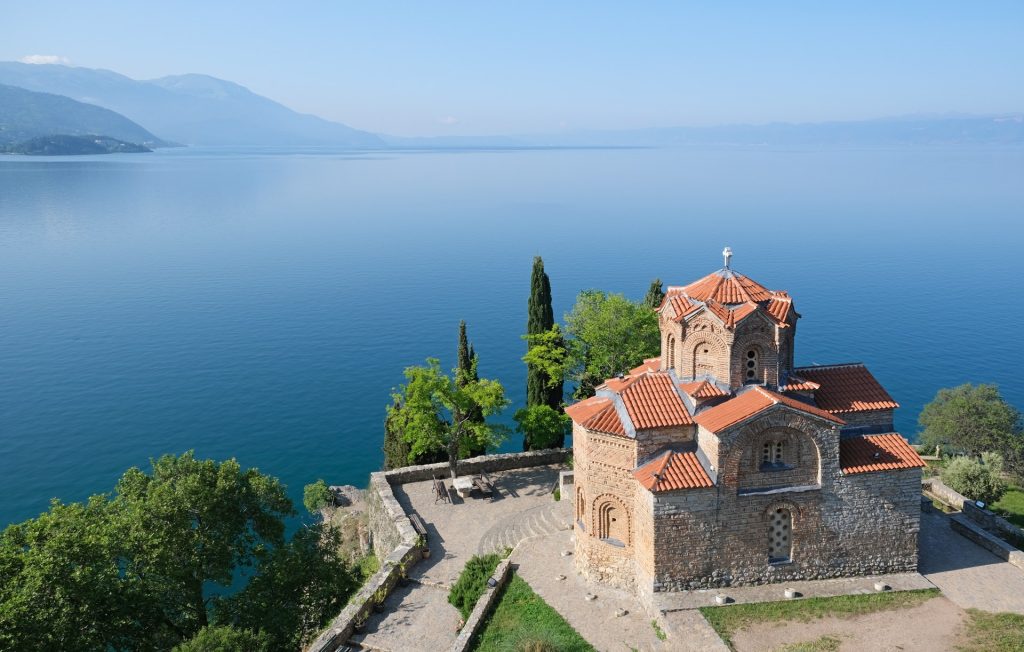
Photography credits
Photographs are displayed at web sizes and may be cropped to fit the layout.
- Serbia, Belgrade, 180 deg panorama of sight from Ada Bridge's downstream side, 02.01.2012.jpg — Михајло Анђелковић. CC BY-SA 3.0.
- Serbian Ćevapi.jpg — young shanahan. CC BY 2.0.
- Petrovaradin (Peterwardein) – panorama from the fortress (by Pudelek).jpg — Pudelek (Marcin Szala). CC BY-SA 3.0 rs.
- SK 158 Marko Osmanović – Manastir Studenica – Sa Istoka.jpg — Marko osmanovic photo. CC BY 4.0.
- Studenica monastery (Manastir Studenica) – by Pudelek.jpg — Pudelek (Marcin Szala). CC BY-SA 3.0.
- Curving meanders in Special Nature Reserve Uvac River canyon valley, Serbia.JPG — Srdjan Marincic. CC BY-SA 3.0.
- Uvac River and Eagle.jpg — Sasapokimica. CC BY-SA 4.0.




_-_panorama_from_the_fortress_(by_Pudelek).jpg)

_-_by_Pudelek.jpg)

