
EXPLORE NORTH MACEDONIA
NORTH MACEDONIA: ANCIENT HERITAGE, LAKESIDE SOUL
North Macedonia is a small but remarkably varied country in the heart of the Balkan Peninsula. Although it is less visited than neighbouring Greece, Albania and Bulgaria, it offers an unusual combination of ancient history, dramatic mountain scenery, Orthodox Christian heritage, Ottoman architecture, traditional food and vibrant urban culture. For tourists, the country's greatest attraction is the way these different layers of history and landscape are concentrated within relatively short distances. A journey can take visitors from the modern capital of Skopje, through ancient archaeological sites and medieval monasteries, to the mountains and the shores of the extraordinary Lake Ohrid.
HISTORY AND HERITAGE
The history of North Macedonia stretches back thousands of years. The region was inhabited by ancient peoples before becoming part of the wider Hellenistic world following the rise of Macedon. The ancient kingdom of Macedon is associated particularly with Philip II and his son Alexander the Great, although the territory and political history of the ancient kingdom should not simply be equated with the modern Republic of North Macedonia. Later, the area was incorporated into the Roman and Byzantine worlds.
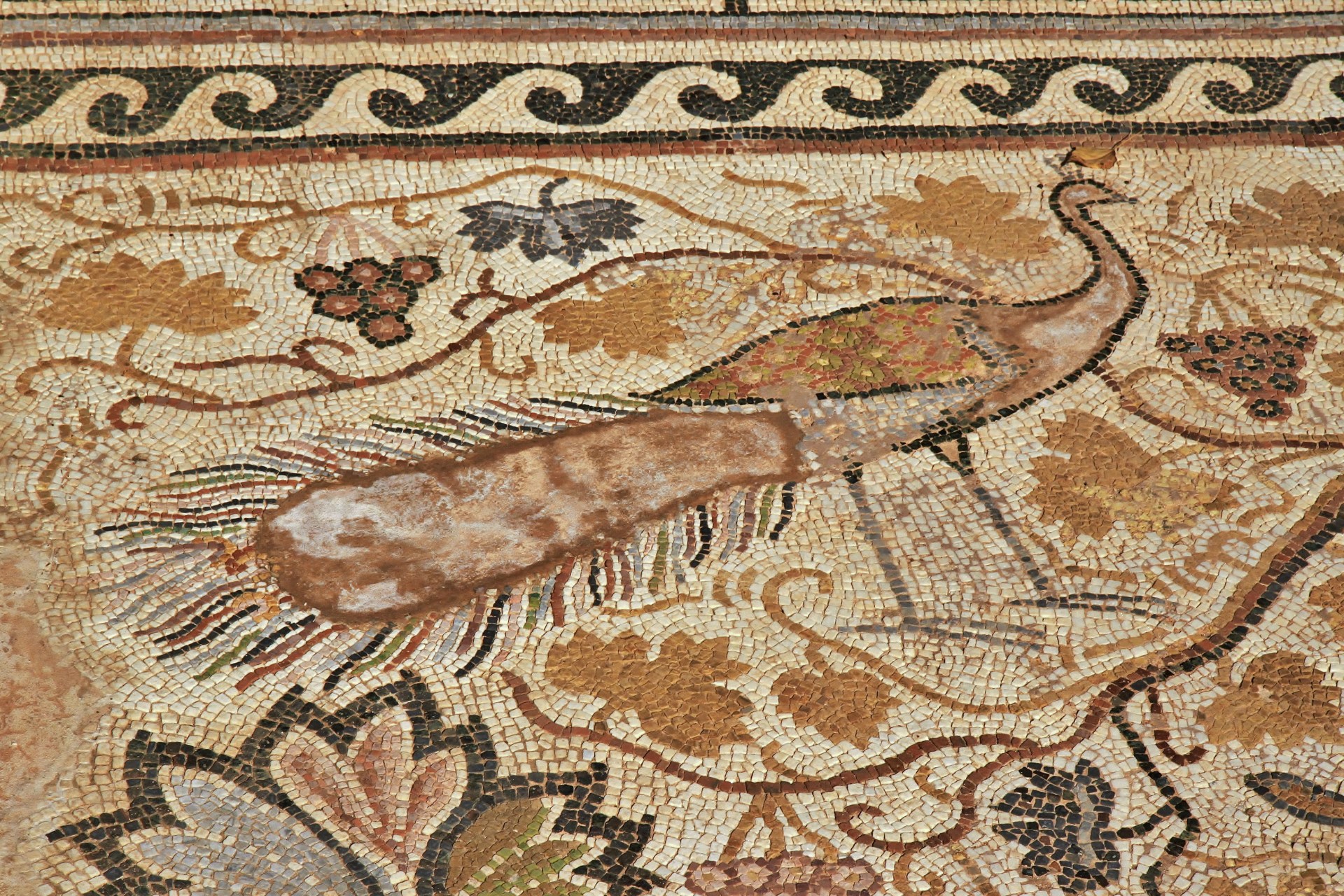
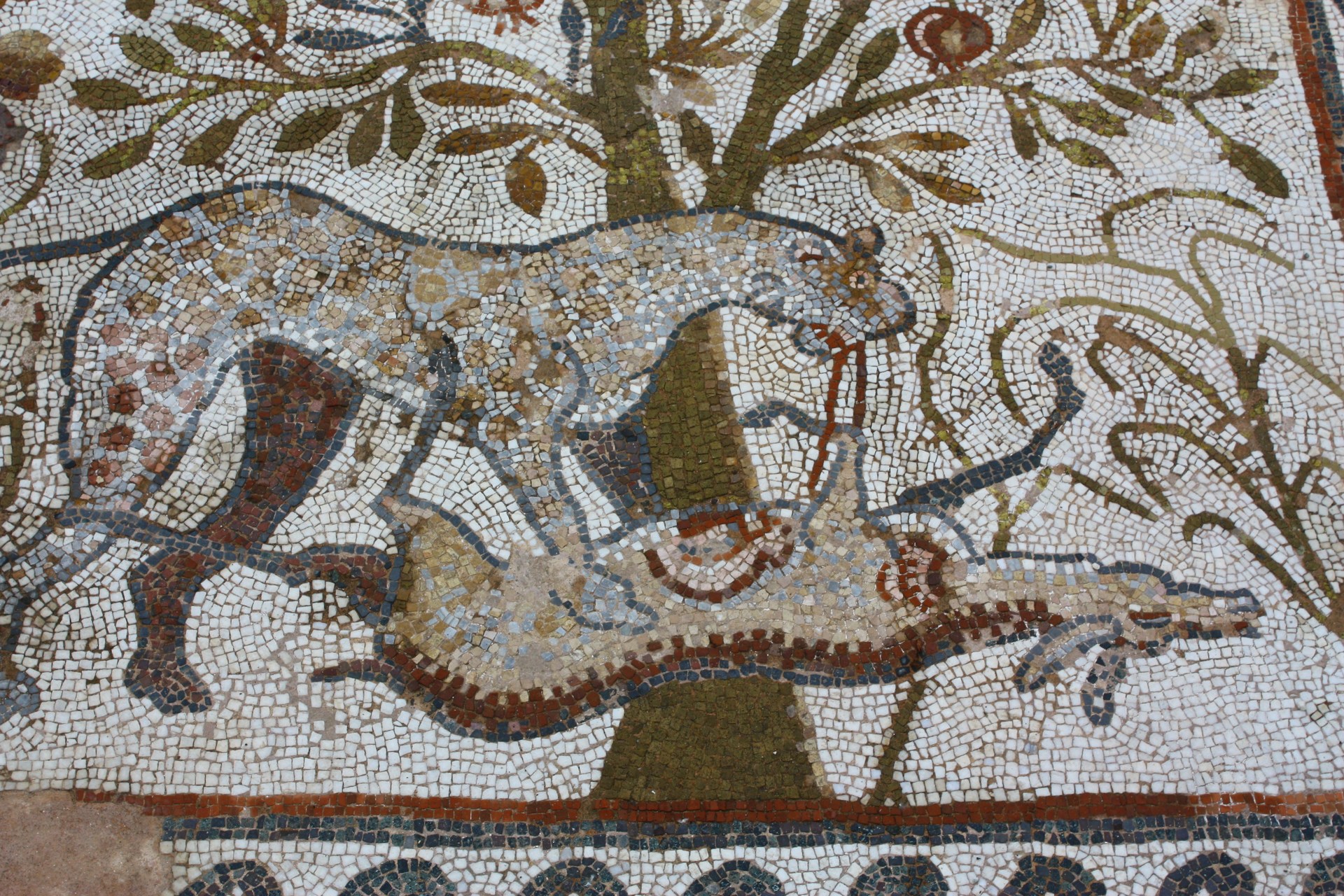
One of the most important ancient cities was Heraclea Lyncestis, near present-day Bitola. Founded in the Hellenistic period, it later became an important Roman settlement. Its remains include theatres, baths, basilicas and remarkably well-preserved mosaic floors.
During the medieval period the region became an important centre of Slavic Christianity and education. Ohrid was particularly significant. Saints Cyril and Methodius and their disciples played a major role in the development and spread of Slavic literacy, while Clement of Ohrid became one of the most important intellectual and religious figures of the medieval Balkans. UNESCO describes the Ohrid region as a major centre of Byzantine art and as the home of an early Slavonic literary and educational tradition.
Centuries of Ottoman rule subsequently left a strong architectural and cultural imprint. Mosques, bazaars, bridges, caravanserais and traditional houses can still be seen, especially in Skopje and Bitola. In the 20th century the territory became part of Yugoslavia before the Republic of Macedonia declared independence in 1991. In 2019, the country's official name became the Republic of North Macedonia.
GEOGRAPHY AND TOPOGRAPHY
North Macedonia is a predominantly mountainous country, with valleys and basins separating numerous mountain ranges. Its landscape includes forests, alpine meadows, deep river valleys, waterfalls and several large lakes. The country's geography makes it particularly attractive to walkers, climbers, skiers, photographers and nature lovers. The Ministry of Foreign Affairs describes the country as largely mountainous, with mountain rivers, waterfalls, forests and clear lakes.
The most famous natural feature is Lake Ohrid, shared with Albania. It is an ancient tectonic lake, approximately two to three million years old, and is exceptionally rich in endemic species. UNESCO records more than 200 endemic species in the lake and describes it as one of Europe's outstanding natural phenomena.
The surrounding mountains are equally important. Mount Pelister, above Bitola, reaches 2,601 metres and forms part of Pelister National Park, North Macedonia's oldest national park. The mountain is known for forests, wildlife, hiking trails and its distinctive glacial lakes, particularly the Pelister "Eyes."
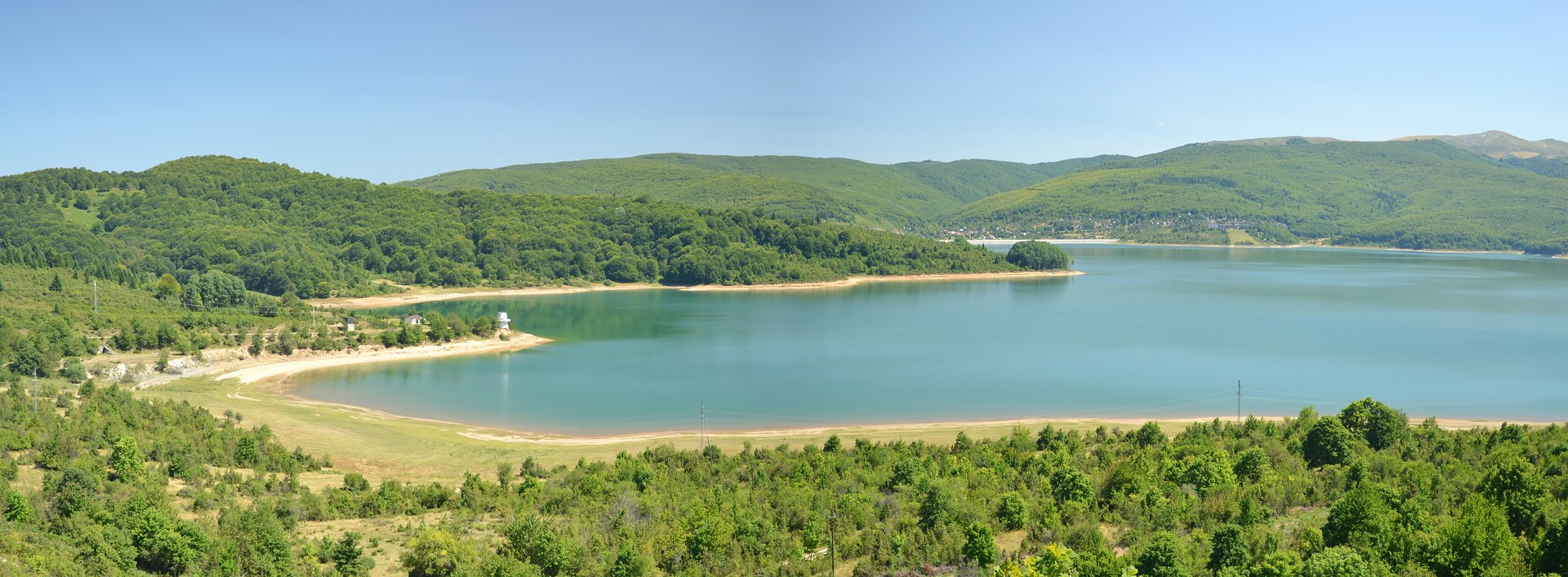
Other important natural areas include Mavrovo National Park, with its mountains, forests, valleys and artificial lake; Galicica National Park, between Lakes Ohrid and Prespa; and the Shar Mountains, which offer some of the country's finest hiking and winter-sports opportunities.
Explore
THE MANY FACES OF NORTH MACEDONIA
A journey through ancient cities, lakeside churches and mountain landscapes, tied together by warm hospitality and a distinctive cultural heritage.
ANCIENT CITIES
Roman ruins, Ottoman bazaars and layers of Byzantine art turn Skopje, Bitola and Ohrid into journeys through time.
LAKE COUNTRY
Lake Ohrid combines clear water, historic settlements and some of the Balkans' most memorable churches and monasteries.
MOUNTAIN CULTURE
Mavrovo, Pelister and traditional villages reveal a quieter world of forests, high pastures, crafts and regional food.
CULTURE AND RELIGION
Religion and cultural identity are deeply connected with the country's history. The largest religious tradition is Eastern Orthodox Christianity, represented by the Macedonian Orthodox Church – Archdiocese of Ohrid. There is also a substantial Muslim population, particularly among ethnic Albanians, Turks and other communities. This mixture is visible in the country's churches, monasteries, mosques, cemeteries, festivals and architecture.
Ohrid is the greatest expression of this religious heritage. Its churches contain medieval frescoes and icons of exceptional artistic quality. UNESCO identifies more than 2,500 square metres of frescoes and more than 800 famous Byzantine-style icons within the Ohrid heritage area.
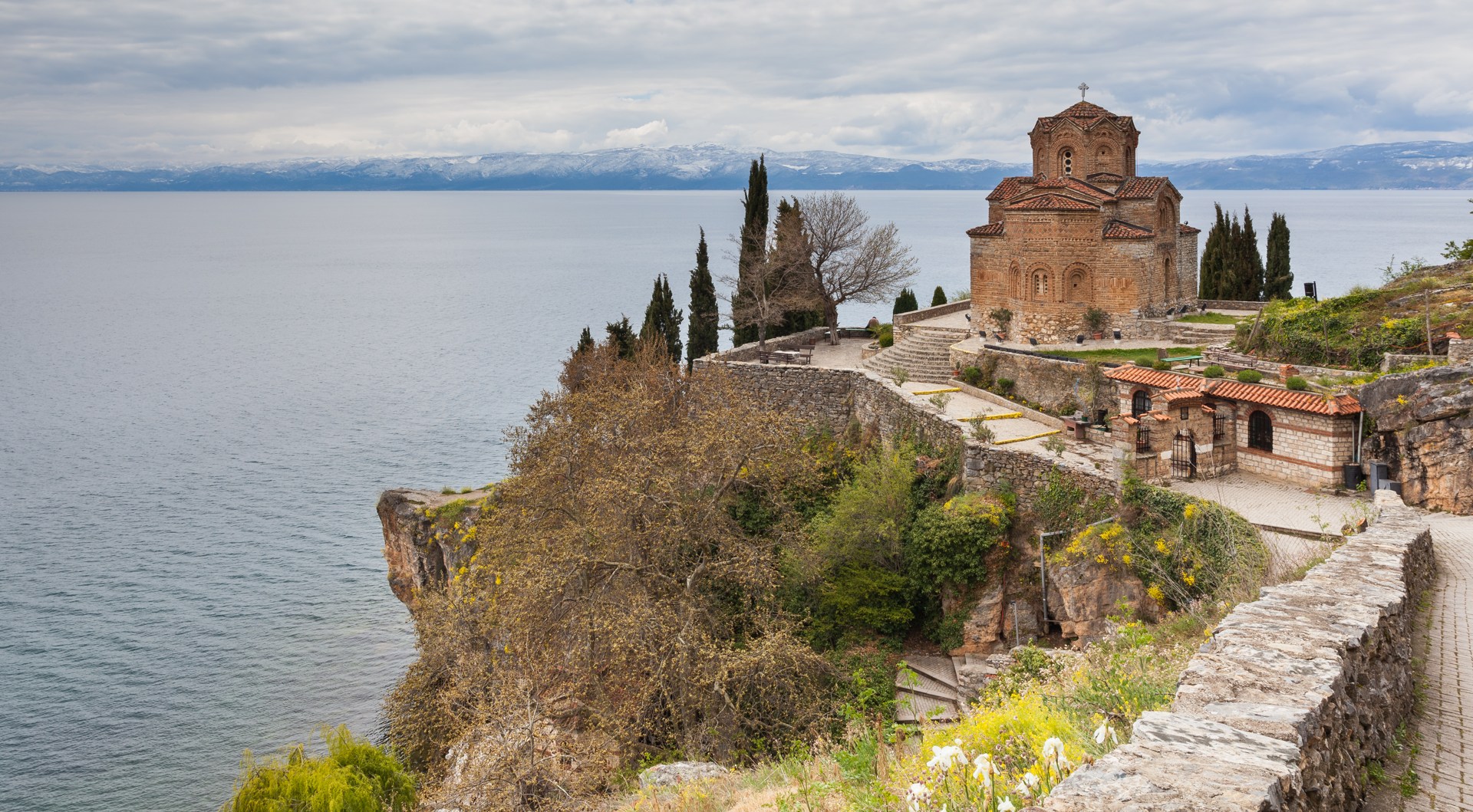
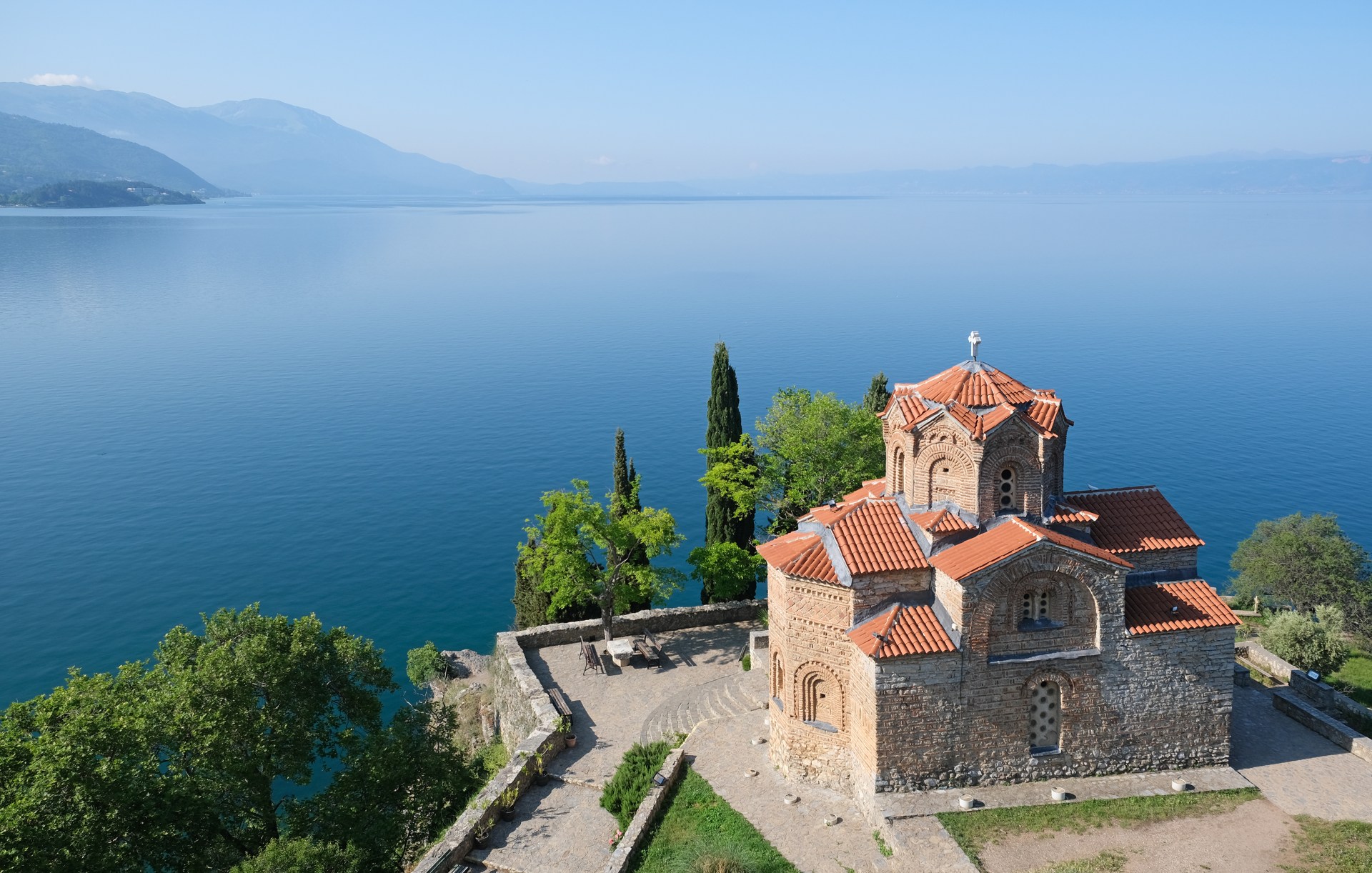
The most celebrated churches include St John at Kaneo, spectacularly positioned above Lake Ohrid; St Sophia, with important medieval frescoes; and St Clement and Panteleimon, associated with Clement of Ohrid. The Monastery of St Naum, on the southeastern shore of Lake Ohrid, is another essential stop.
FOOD
North Macedonian cuisine combines Balkan, Mediterranean and Ottoman influences. Food is generally hearty, inexpensive and strongly based on locally grown vegetables, peppers, tomatoes, beans, dairy products and meat.
Visitors should try tavče gravče, a traditional baked bean dish regarded as one of the country's signature foods. Ajvar, a roasted red-pepper spread, is another essential taste, particularly in autumn. Other popular dishes include shopska salad, burek, kebapi, pastrmajlija (a traditional flatbread topped with seasoned meat), grilled meats and various stuffed peppers.
Fresh trout is particularly associated with Lake Ohrid, although visitors should be conscious of conservation issues surrounding the lake's endemic fish. Local wines are also increasingly important to tourism, with vineyards in the Tikveš region producing red and white wines.
ART AND TRADITIONAL CRAFTS
Art in North Macedonia has been strongly influenced by Orthodox Christianity. Medieval fresco painting and iconography reached an exceptional level around Ohrid, making the region one of the great centres of Byzantine and post-Byzantine religious art in the Balkans. The country's churches and monasteries are therefore not merely places of worship but also major artistic monuments.
Traditional crafts remain visible in some towns and villages, including woodcarving, embroidery, jewellery and textile production. Ohrid is particularly famous for its Ohrid pearls, traditionally produced using a distinctive process associated with the lake region. The pearl is one of the city's best-known souvenirs.
MAJOR CITIES AND SITES ON THE TOURIST TRAIL
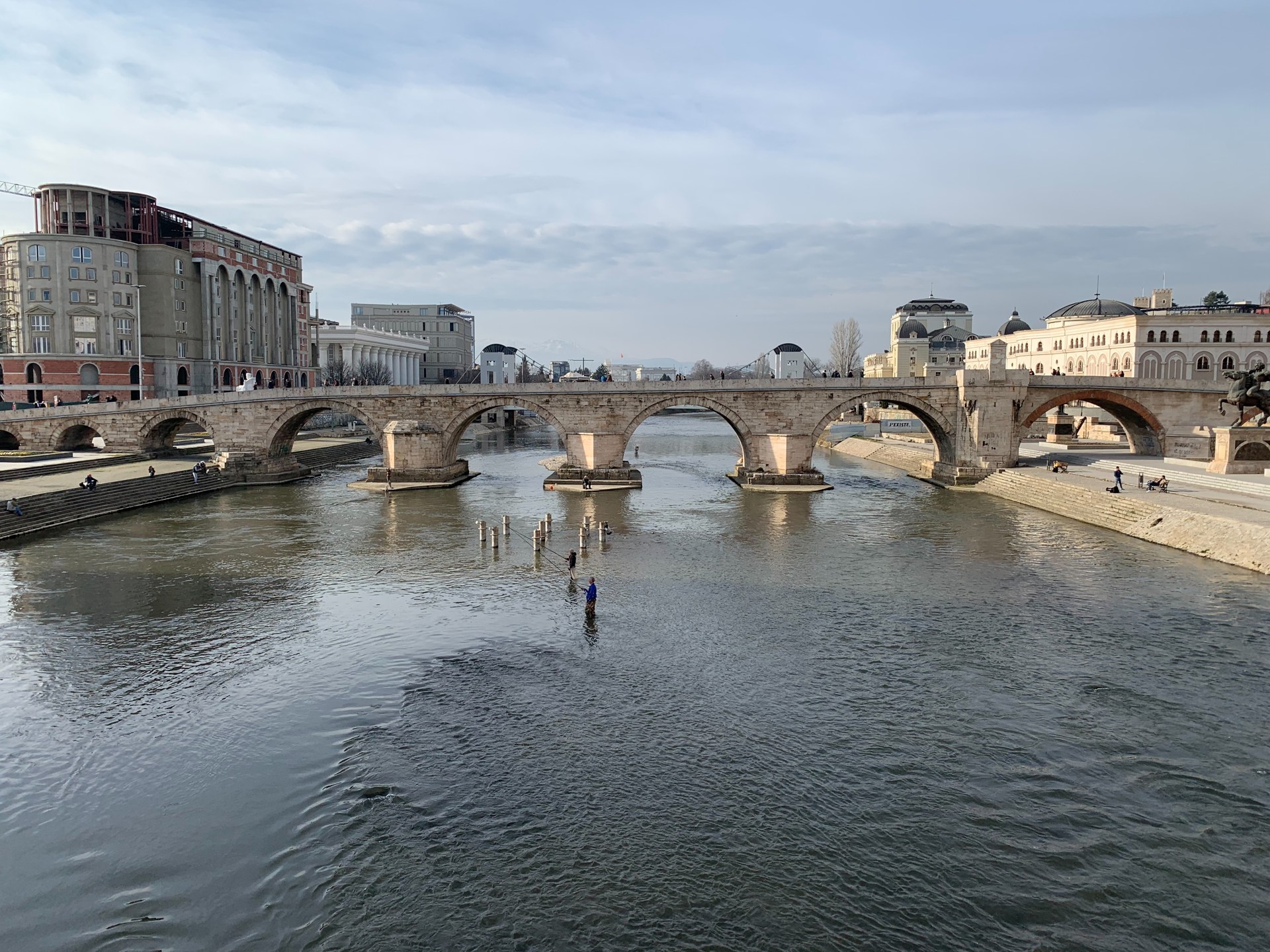
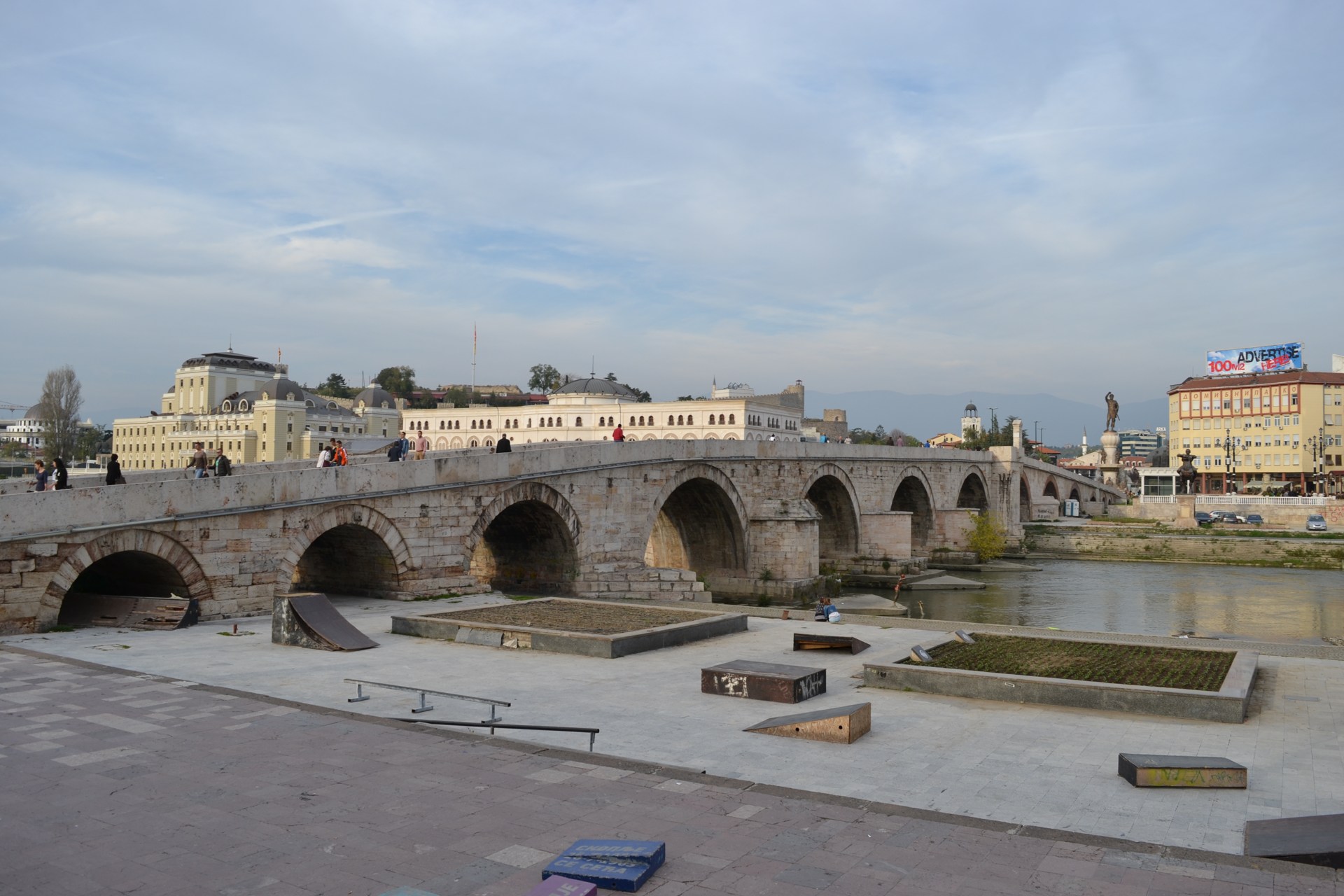
Skopje is the natural starting point for many visitors. Highlights include the Old Bazaar, Stone Bridge, Kale Fortress, Mother Teresa Memorial House and the monumental central square. The Old Bazaar provides an excellent introduction to the city's Ottoman and multicultural past.
Ohrid is the country's essential destination and arguably its greatest tourist attraction. The Old Town, Lake Ohrid, Samuel's Fortress, St John Kaneo, St Sophia, the ancient theatre and numerous churches and monasteries can occupy several days. The entire Ohrid region is a UNESCO World Heritage property, inscribed for both its natural and cultural significance.
Bitola is another major stop. Known for its elegant 19th-century architecture and café culture, it is situated beneath Mount Pelister. The principal attractions include Širok Sokak, the old bazaar, the Yeni Mosque, the Clock Tower and the nearby archaeological site of Heraclea Lyncestis.
Struga, on the northern shore of Lake Ohrid, is famous for the point where the Crn Drim River flows out of the lake. It is also an important literary and cultural centre, hosting the internationally known Struga Poetry Evenings.
Other worthwhile destinations include Kruševo, a mountain town associated with the Ilinden uprising and Macedonian national history; Mavrovo, for mountain scenery and outdoor activities; Tetovo, particularly for the colourful Šarena Džamija (Painted Mosque) and nearby Arabati Baba Tekke; and Prilep, famous for its traditional architecture, nearby monasteries and dramatic rock formations.
For archaeology, Stobi is a must-see ancient city, containing remains from the Hellenistic, Roman and early Christian periods. Kokino, an ancient archaeological and astronomical site, is another fascinating destination and is included on North Macedonia's UNESCO Tentative List.
MUST-SEE ITINERARY
A first-time visitor should prioritise Skopje, Ohrid and Lake Ohrid, St Naum, Bitola and Heraclea Lyncestis, Mavrovo National Park, Pelister National Park and Stobi. A longer journey could add Kruševo, Prilep, Struga, Tetovo and the Prespa region.
The outstanding attraction is undoubtedly the Ohrid region, where history, religion, art and nature come together. The lake is one of Europe's oldest, while the town preserves archaeological remains, medieval churches, Byzantine frescoes and Ottoman-era houses within a compact historic landscape. UNESCO recognises the region as a rare combination of exceptional natural and cultural heritage.
For tourists seeking a destination beyond the conventional European trail, North Macedonia offers considerable rewards: spectacular mountains, ancient ruins, medieval monasteries, multicultural cities, distinctive cuisine and one of Europe's most remarkable lakes. Its relatively small size also makes it possible to experience an extraordinary range of landscapes and historical periods within a single journey.
Cultural
Cultural Essence
MACEDONIAN CUISINE
North Macedonian cooking is rich in vegetables, grilled meats, beans, peppers and fresh cheeses. Tavče gravče, ajvar, pastrmajlija and shopska salad pair naturally with regional wines from Tikveš and the country's long tradition of hospitality.
ART & TRADITION
Icon painting, medieval frescoes, woodcarving, embroidery and music remain central to the country's identity. Ohrid's churches, traditional pearls and the mosaics of Heraclea connect ancient artistry with living craft traditions.
PLAN YOUR VISIT WITH A BALKAN EXPERT
For more detail about North Macedonia, or to combine your visit with other Balkan destinations, get in touch with our local experts.
OTHER BALKAN COUNTRIES TO EXPLORE
Photography credits
Photographs are displayed at web sizes and may be cropped to fit the layout.
- Mozaici vo Heraclea Lyncestis 12.JPG — This illustration was made by Rašo. An email to Rašo would be appreciated too. . CC BY-SA 3.0.
- 2011 Bitola, Heraclea Lyncestis (15).jpg — Marcin Konsek. CC BY-SA 4.0.
- Mavrovo Lake (Мавровско Езеро).JPG — Pudelek (Marcin Szala). CC BY-SA 4.0.
- Church of St. John at Kaneo 6.jpg — kallerna. CC BY-SA 4.0.
- Iglesia San Juan Kaneo, Ohrid, Macedonia del Norte, 2014-04-17, DD 22.jpg — Diego Delso. CC BY-SA 3.0.
- Skopje Stone Bridge.jpg — Robot8A. CC BY-SA 4.0.
- Skopje Stone Bridge.JPG — Edon Bayrami. CC BY-SA 4.0.
- Ćevapi, a traditional Balkan grilled meat dish — CC BY 2.0.



.jpg)
.JPG)


