
EXPLORE BALKANS
WELCOME TO THE MYSTERIOUS TOURIST TRAILS OF THE BALKANS
So where exactly are the Balkans and how many countries does the term ‘Balkans’ cover? Historically the area relates to the Balkan Mountains, a large lump of Europe dangling off the south of the Alps. Geographically it sort of includes Greece (which has a dedicated section on this site) to the south and the countries that border the Black Sea – Bulgaria and Romania. But for the purposes of these web pages, which are about the undiscovered and mysterious tourist trails of the Balkans we’re considering those to the west of the peninsula:
Albania · Bosnia & Herzegovina · Croatia · Kosovo · Montenegro · North Macedonia · Serbia
Capital cities
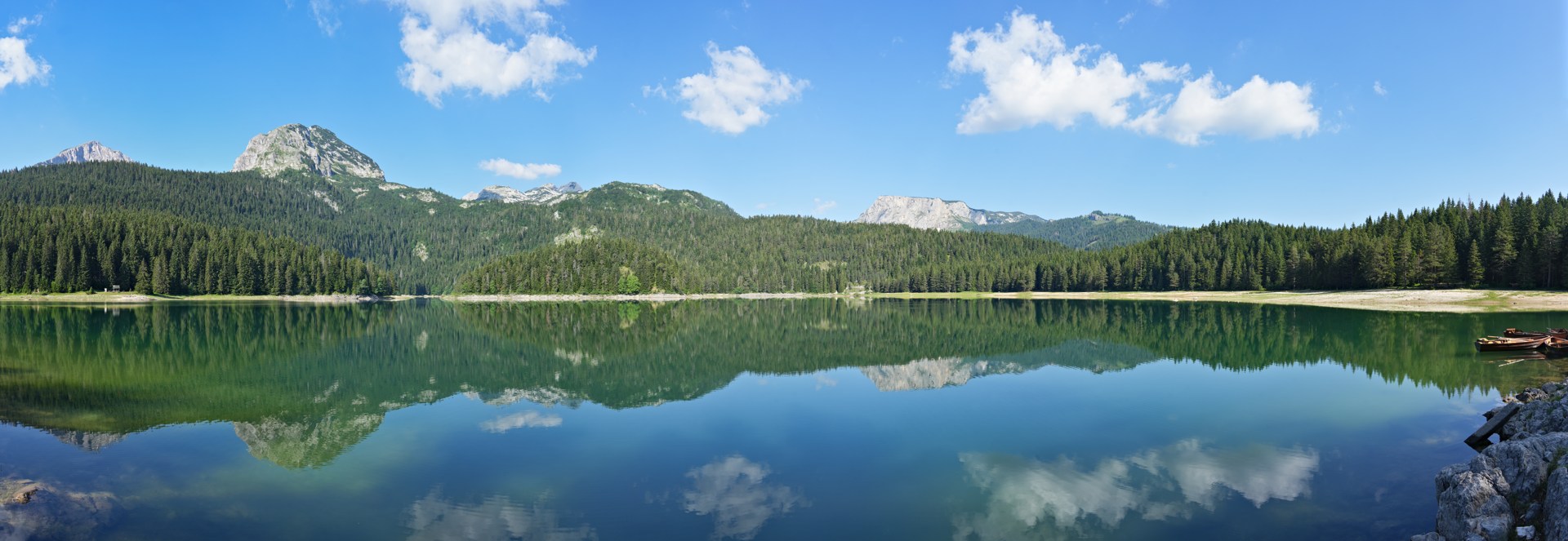
THE BALKANS ARE RIPE WITH UNDISCOVERED NATURAL BEAUTY
Mountains, lakes, a wonderful coastline with beautiful islands – the Balkans have it all. The Dinaric Alps, Balkan Mountains, Pindus Mountains and Šar Mountains all provide excellent opportunities for hiking, climbing, and other outdoor activities. Montenegro and Albania are particularly well known for dramatic mountain scenery. The River Danube passes through several Balkan countries, providing opportunities for river cruises and sightseeing. Lake Ohrid, shared by North Macedonia and Albania, is one of Europe's oldest and deepest lakes and is famous for its natural beauty and biodiversity. In general the Adriatic shoreline has some brilliant beaches and offshore islands ideal for a short cruise.
AN AREA OF REMARKABLE HISTORY AND EMPIRES
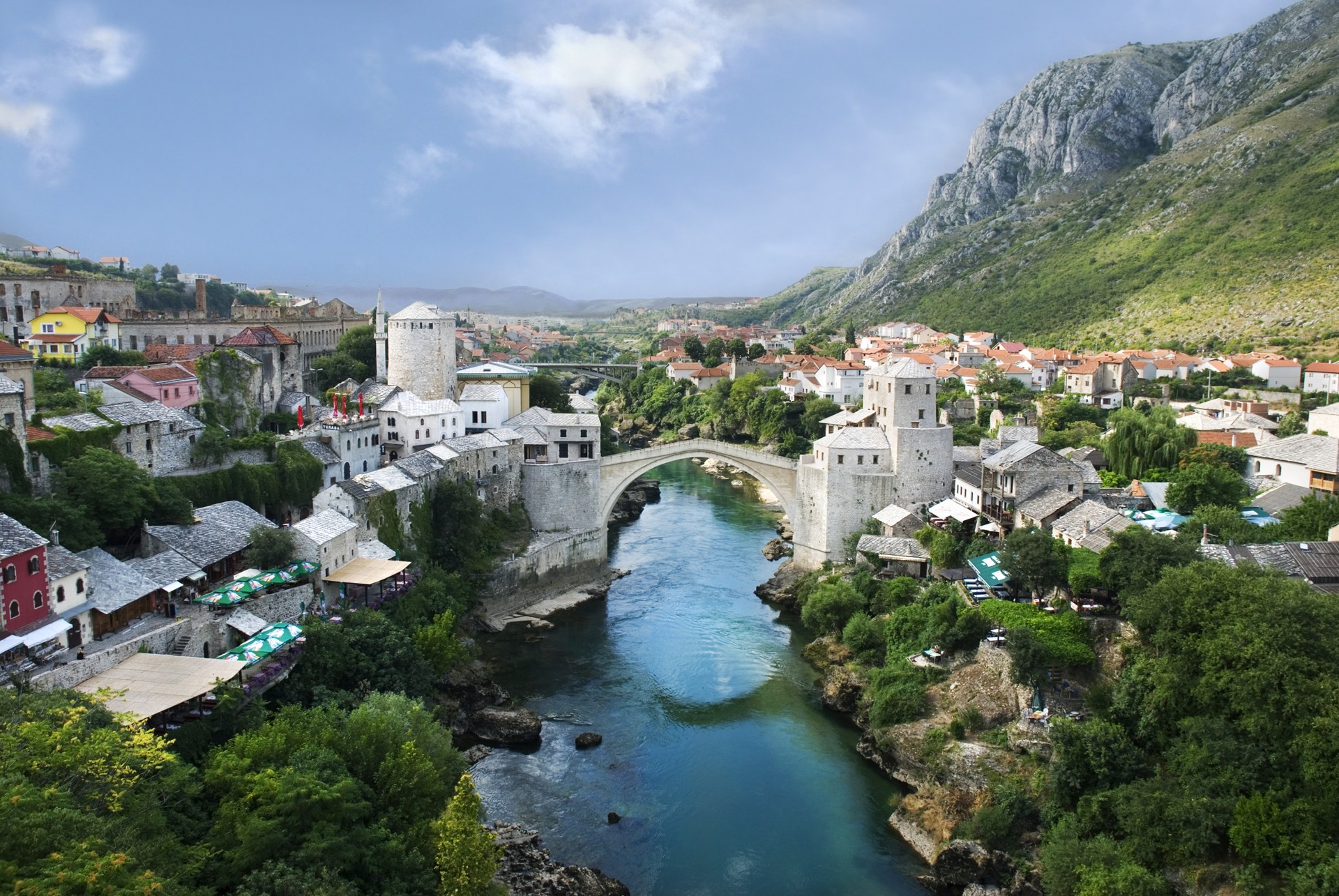
History is one of the main reasons why the Balkans are so attractive to tourists. Across millennia different civilisations and empires have occupied or influenced the area. Ancient Greek civilisation left behind important archaeological sites, temples and theatres. The Roman Empire built roads, cities and monuments throughout the region many of which still remain testament to the varying cultures. Later, much of the region came under the influence or control of the Ottoman Empire, which lasted for several centuries. Ottoman influence can still be seen in architecture, food, music and religious buildings, particularly in Bosnia and Herzegovina, Kosovo, North Macedonia and Albania.
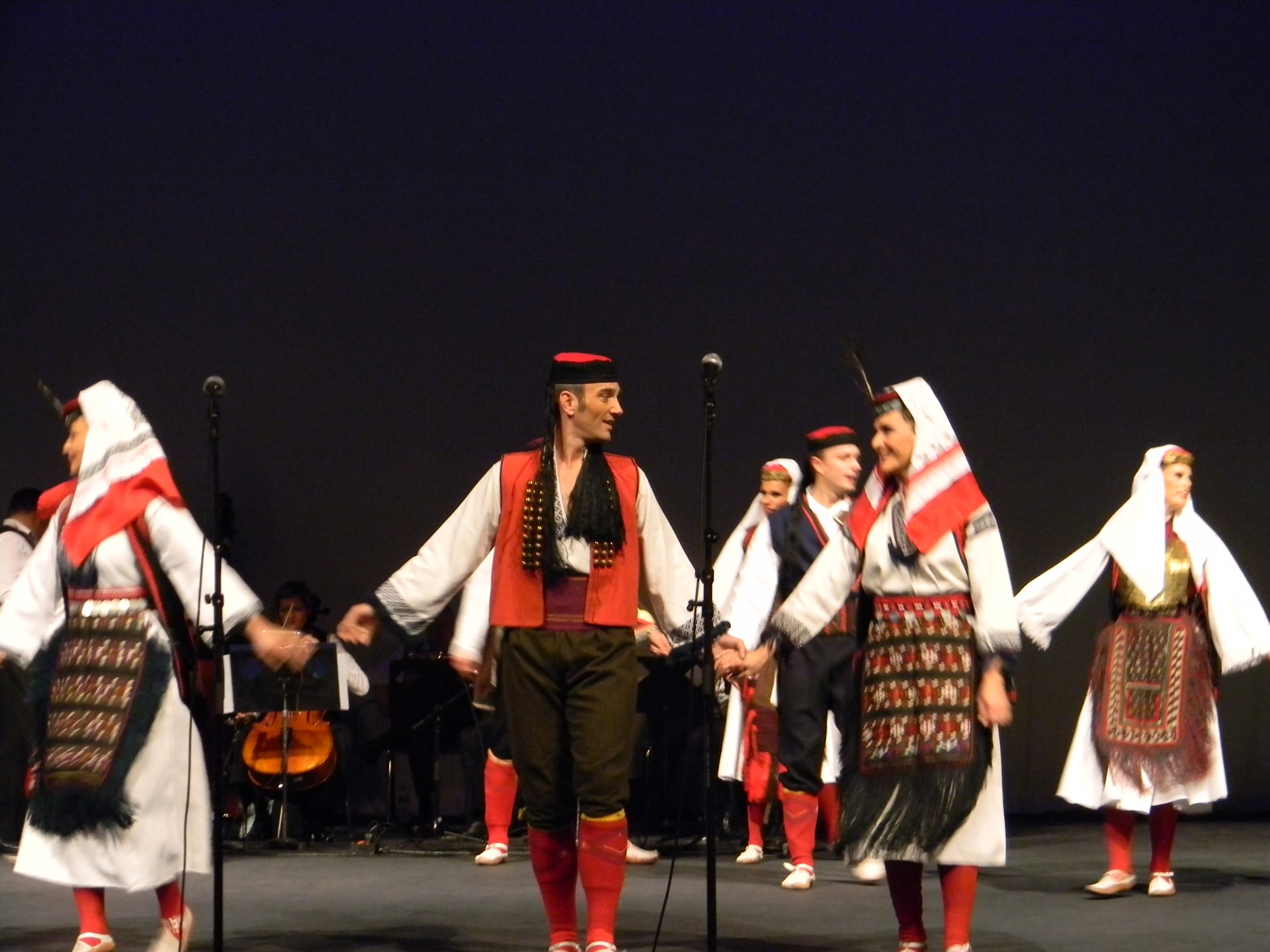
AN AMAZINGLY AUTHENTIC CULTURAL EXPERIENCE
For all its attractions the Balkans has generally been ‘the road less travelled’ for tourists and holidaymakers. As such it has retained an amazing authenticity to its culture, less affected by more global influences than many European holiday hotspots, in comparison to which the Balkans are most definitely ‘cool’. Then again there is always a warm welcome – hospitality is an important aspect of Balkan culture, visitors being encouraged to share food and conversation. Local markets, festivals and traditional villages give tourists opportunities to experience everyday customs rather than simply visiting major attractions.
BALKAN FUSION FOOD IS DELICIOUSLY DIVERSE
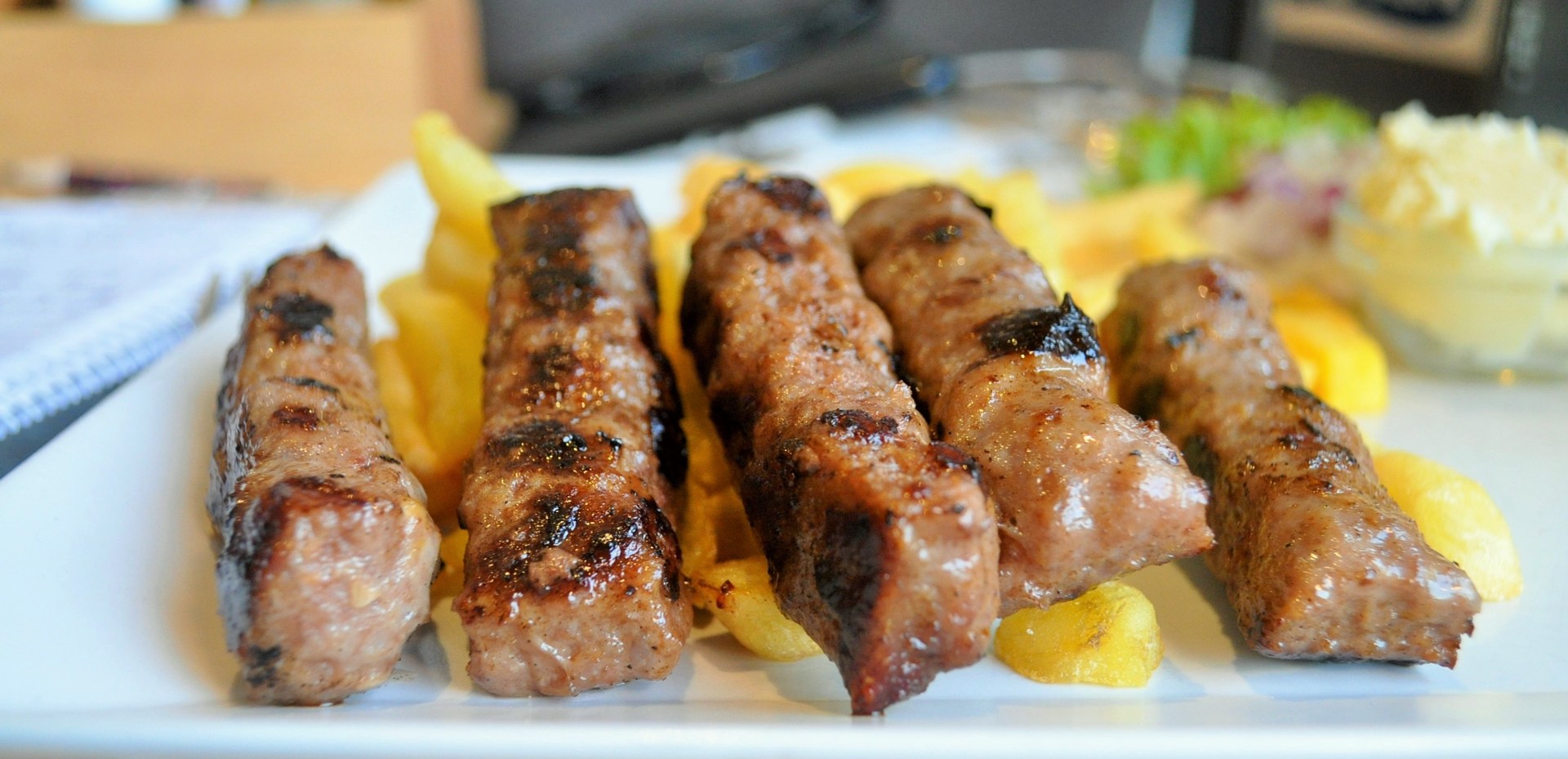
If you consider yourself a ‘foodie’ there are many and varied reasons to visit the Balkans. A combination of Mediterranean, Ottoman, Central European and Slavic influences, the cuisine is predominantly carnivorous with meat dishes including ćevapi, grilled meat served with bread and traditional accompaniments, and burek, a pastry filled with meat. For non-meat eaters fresh vegetables, cheese, yoghurt and bread are also important. On the coast, expect grilled fish, octopus and other seafood.
Desserts showcase the Ottoman influence. Baklava is a signature dish throughout southeastern Europe. Wines are surprisingly good – especially the reds. Overall food is exceptionally good value, especially if you ‘eat local’ and try whatever ‘dish of the day’ is on offer.
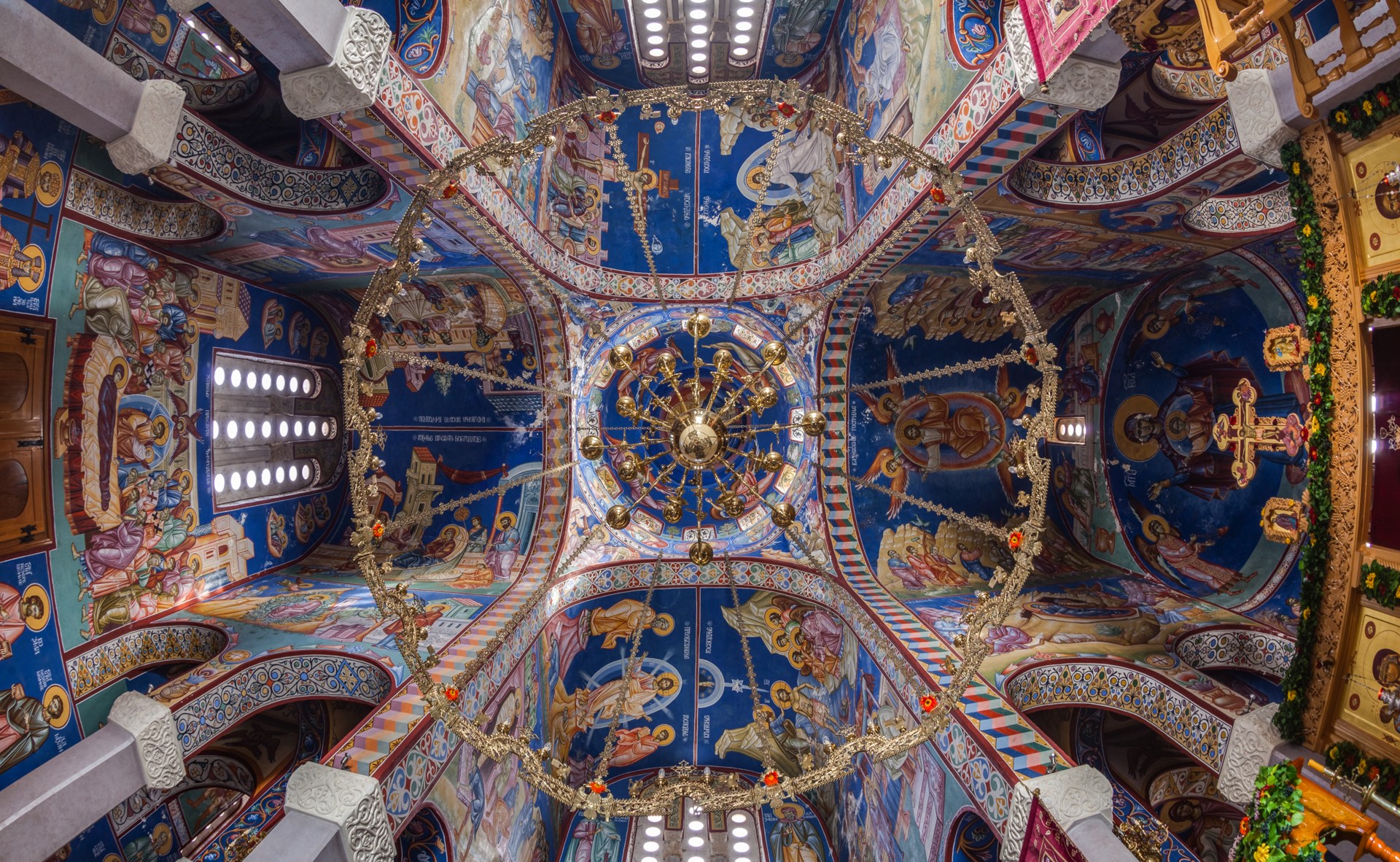
THE ART OF BEING BALKAN
Given the various Empires that have occupied the Balkans over the millennia it should come as no surprise that they have a rich artistic heritage ranging from ancient sculpture and Roman mosaics to medieval religious art and modern works. Perhaps the easiest place to see the many and varied influences is Butrint in Albania, a veritable ‘palimpsest’ of architecture and culture dating back to the Bronze Age. More recently Byzantine and Orthodox Christian art can be seen in the frescoes of churches and monasteries throughout the region. Some medieval monasteries contain remarkably detailed paintings that have survived for centuries. The same is true of architecture. You’ll bump into ancient Greek and Roman buildings, Ottoman mosques and bridges, Orthodox churches, Catholic cathedrals and Austro-Hungarian buildings everywhere you go.
LET’S DIVE DEEPER INTO THE BALKAN TOURIST TRAIL
The very beauty of having so much variety in such close conjunction is that it’s not necessary just to visit one country. It’s perfectly possible to pull together a multi-country, cross border, road trip and see a myriad of delights, driving through areas of stunning natural beauty en route to the next amazing site of interest.
We have a dedicated page for each of the Balkan countries we visit to better unpack the entire Balkan experience:
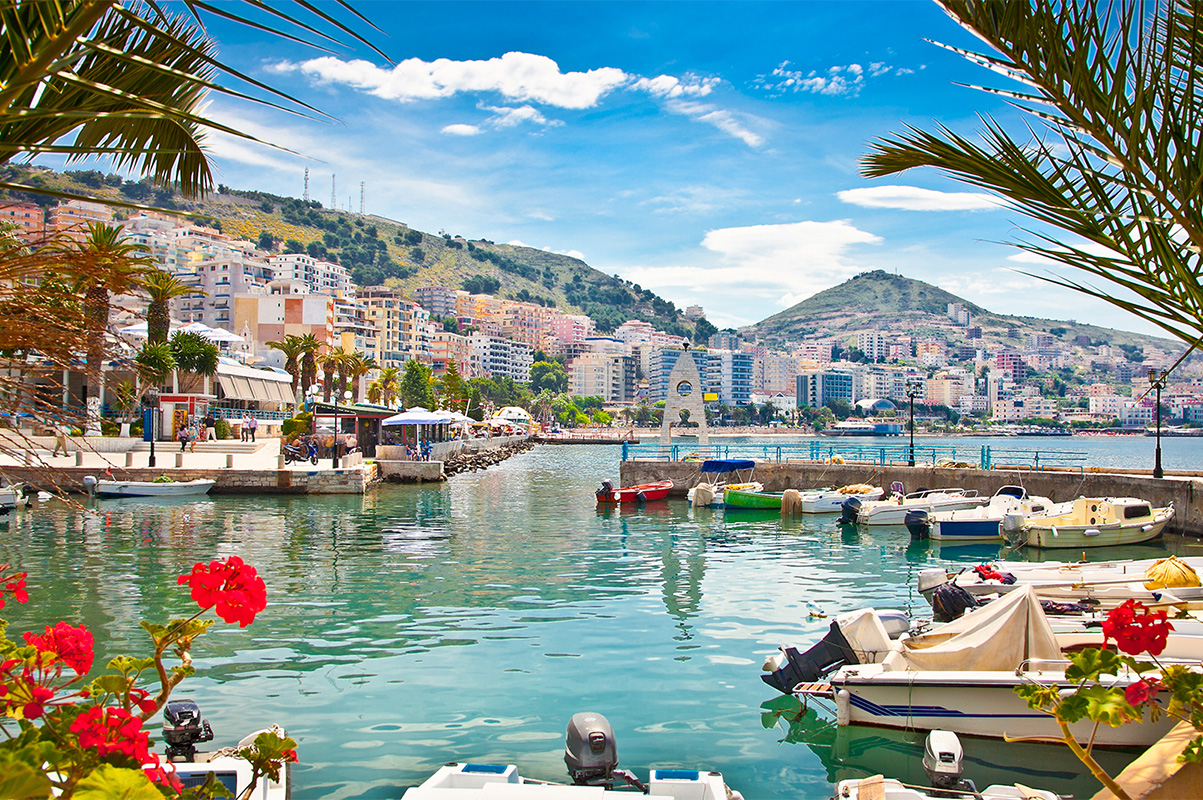
EXPLORE ALBANIA
Discover an unspoilt corner of the Mediterranean, where the Albanian Riviera meets rugged mountains and ancient cities. Explore the archaeological treasures of Butrint, the historic streets of Berat and Gjirokastër, and a rich culture shaped by centuries of Balkan influences. Continue to our existing Albania pages for more inspiration.
EXPLORE BOSNIA & HERZEGOVINA
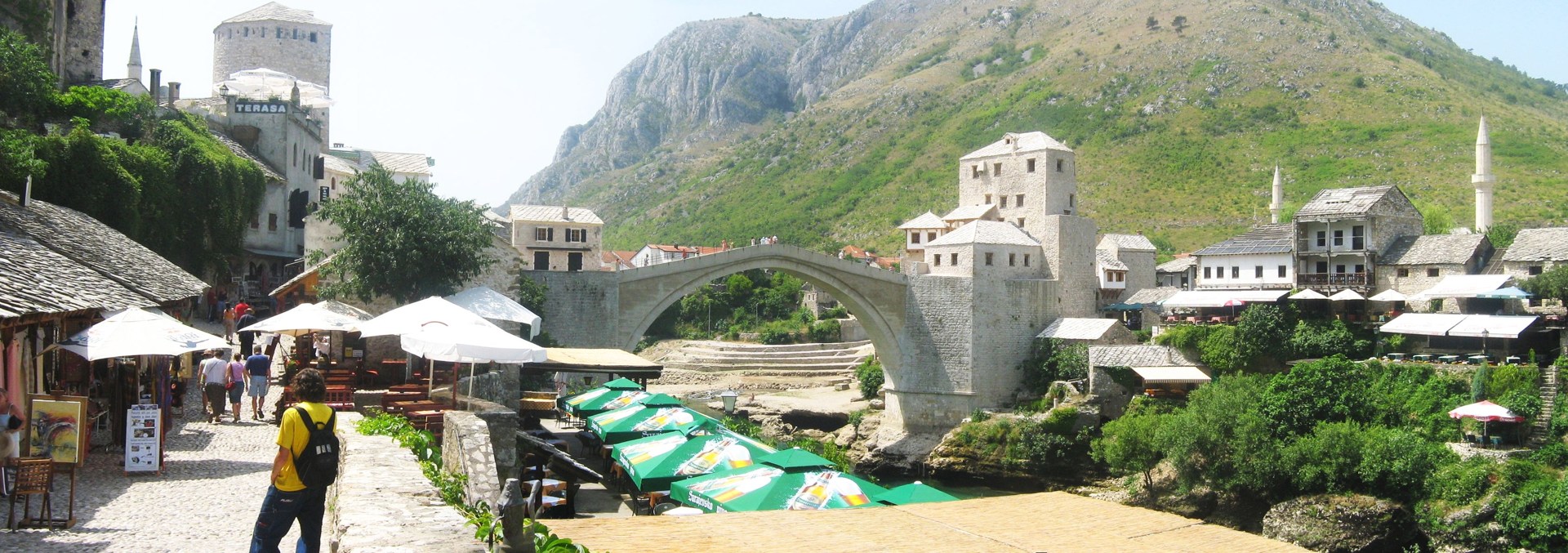
Discover a remarkable meeting of cultures, from Sarajevo’s Ottoman bazaars and Austro-Hungarian streets to Mostar’s celebrated Stari Most. Beyond the historic towns lie clear rivers, waterfalls and the dramatic Dinaric Alps. Traditional coffee, local crafts and warm hospitality make the journey as memorable as the scenery.
EXPLORE CROATIA
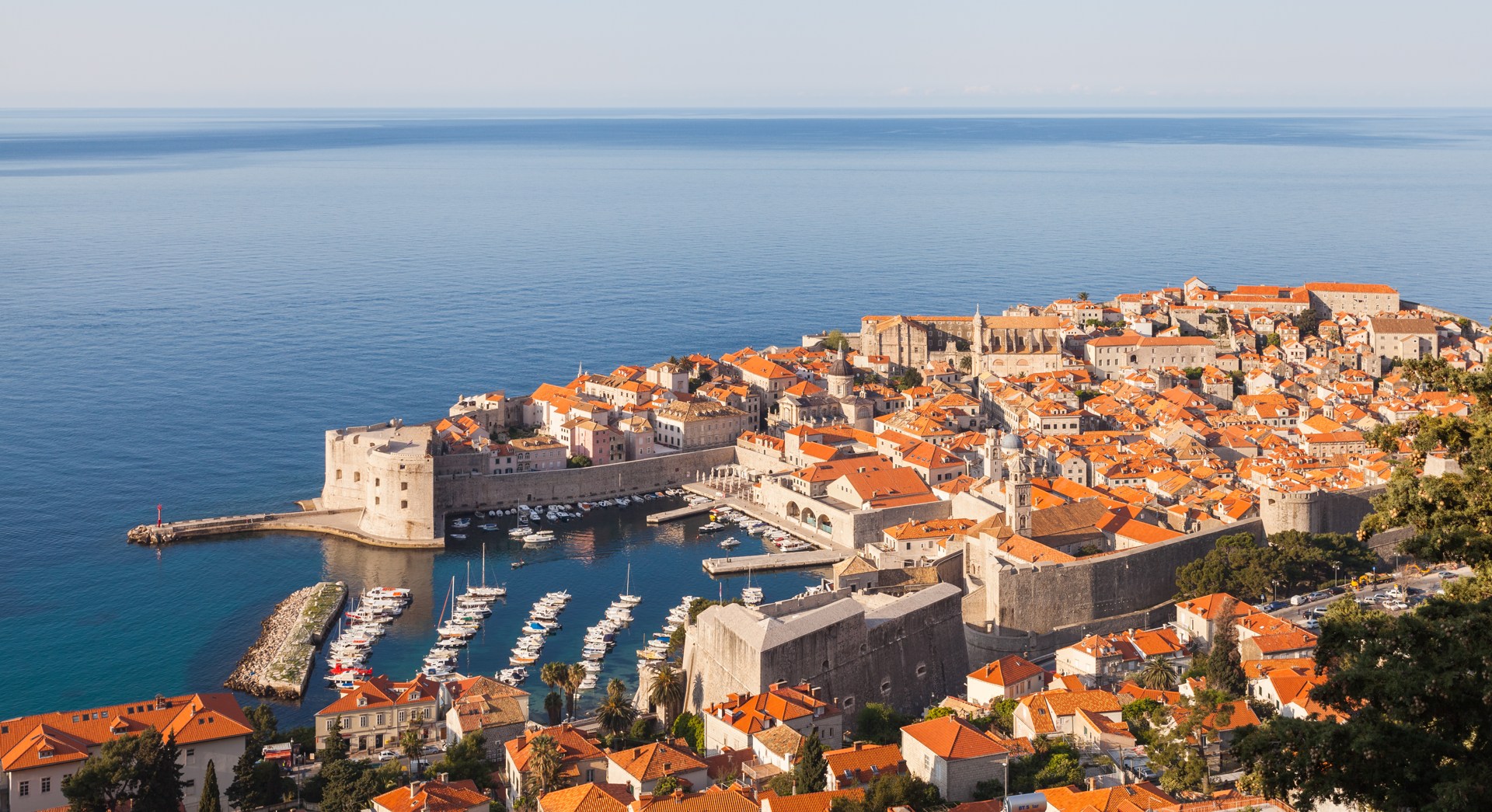
Follow the Adriatic coast through walled cities, Roman palaces and sunlit islands. Croatia brings together Dubrovnik, Split and the islands of Dalmatia with the waterfalls of Plitvice and Krka. Add regional wines, fresh seafood and a rich artistic heritage for a holiday with an extraordinary variety of experiences.
EXPLORE KOSOVO
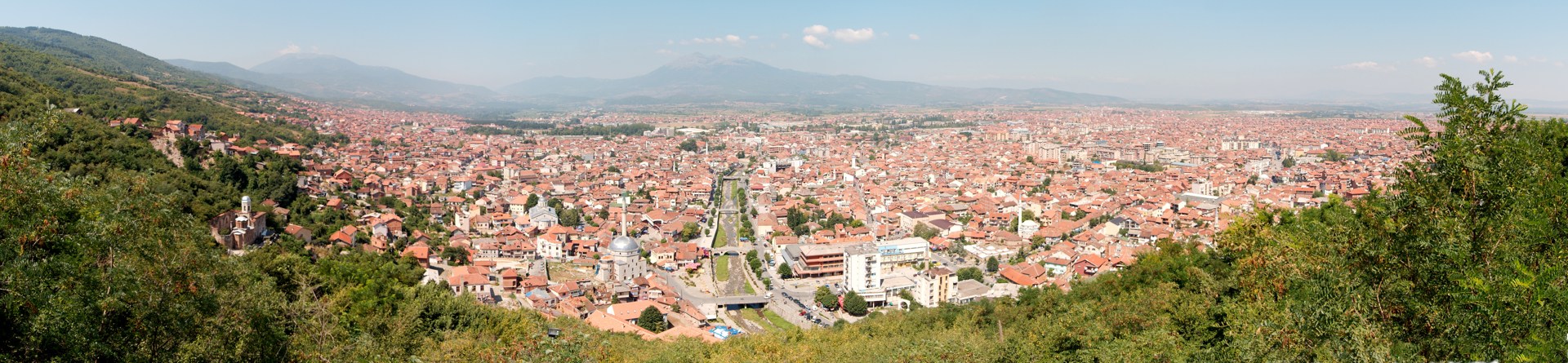
Explore a compact destination full of history and living culture. Kosovo’s tourist trail leads from Prishtina’s cafés to Prizren’s old town, the workshops of Gjakova and medieval monasteries with exceptional frescoes. In the west, Peja opens the way to Rugova Canyon and the dramatic Accursed Mountains.
EXPLORE MONTENEGRO
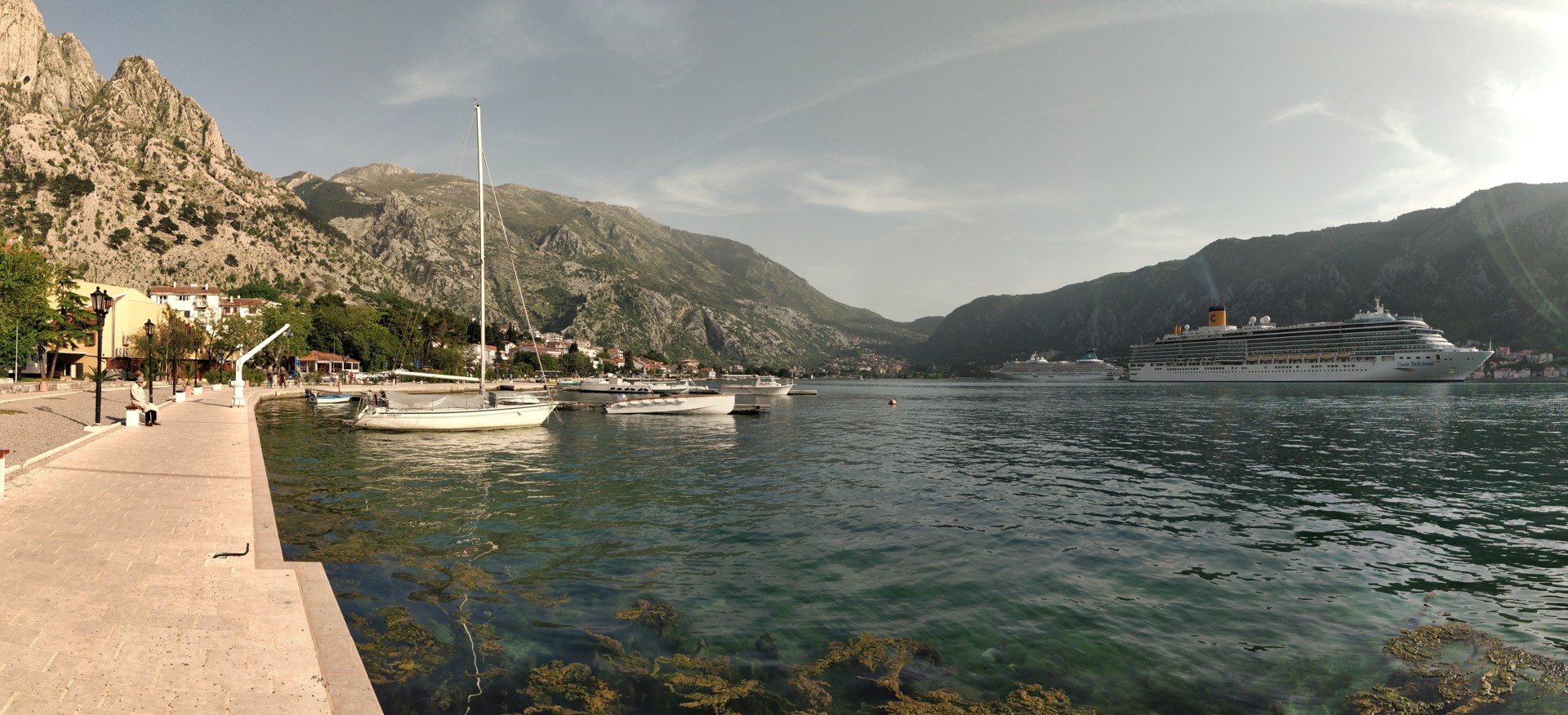
Travel from the medieval streets of Kotor and the waterfront of Perast to the mountains and canyons of Durmitor. Montenegro pairs Adriatic beaches with mountain monasteries, glacial lakes and the wetlands of Lake Skadar. Its small size makes it possible to enjoy strikingly different landscapes in a single journey.
EXPLORE NORTH MACEDONIA
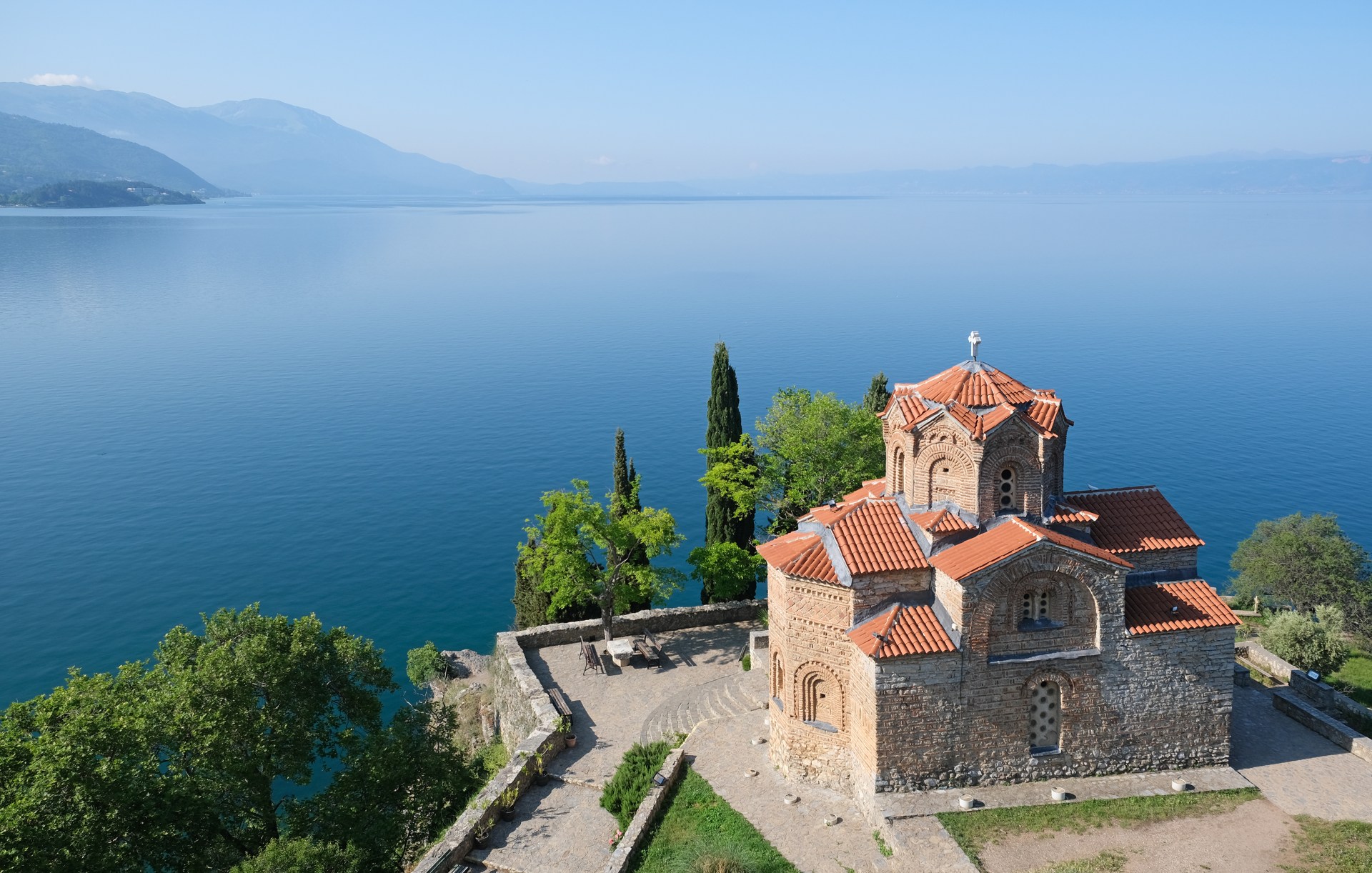
Discover Lake Ohrid, ancient sites and mountain scenery in the heart of the Balkans. North Macedonia combines Skopje’s Old Bazaar, Bitola’s café culture and remarkable Byzantine art with the landscapes of Mavrovo and Pelister. Traditional food, local wines and lakeside towns add another dimension to the journey.
EXPLORE SERBIA
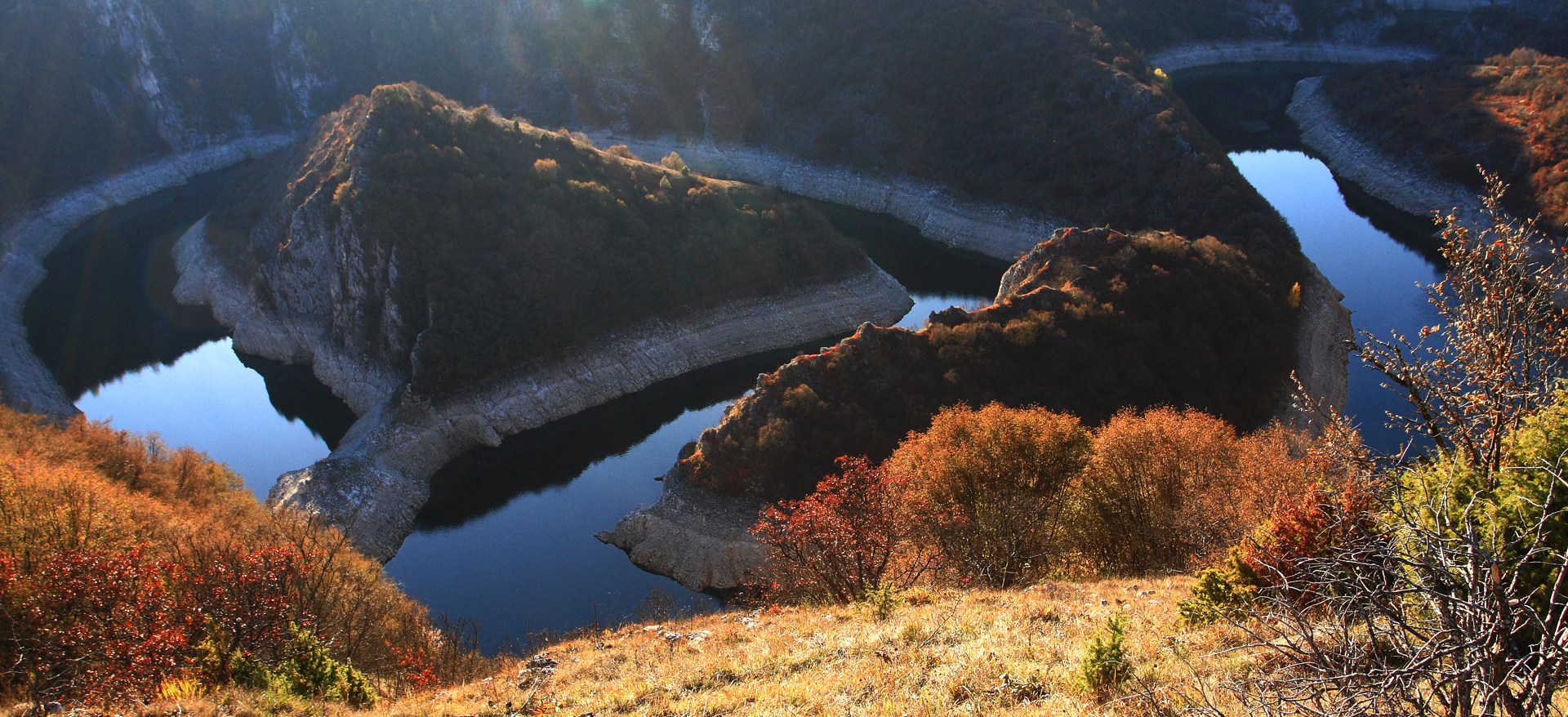
Experience lively cities, medieval monasteries, Roman ruins and spectacular river landscapes. Serbia’s varied tourist trail links Belgrade and Novi Sad with the frescoes of Studenica, the Danube’s Iron Gate and the mountains of Tara. Traditional food and a distinctive cultural heritage reward travellers who explore beyond the familiar.
WANT TO FIND OUT MORE OR PLAN A VISIT? TALK TO A LOCAL EXPERT
Whether you want to see just one Balkan country or need to plan a multi-centre road trip through history we have the expertise and experience to provide the best possible program. Simply contact either:
Photography credits
Photographs are displayed at web sizes and may be cropped to fit the layout.
- Ensemble "Kolo" dancing Old Silent dance from Glamoč.jpg — Laslovarga. CC BY-SA 3.0.
- Casco viejo de Dubrovnik, Croacia, 2014-04-14, DD 04.JPG — Diego Delso. CC BY-SA 3.0.
- Crno jezero – 2.jpg — Ingo Mehling. CC BY-SA 4.0.
- Serbian Ćevapi.jpg — young shanahan. CC BY 2.0.
- Monasterio Hercegovacka Gracanica, Trebinje, Bosnia y Herzegovina, 2014-04-14, DD 14-16 HDR.jpg — Diego Delso. CC BY-SA 3.0.
- Kotor and Boka kotorska – view from city wall.jpg — Pudelek (Marcin Szala). CC BY-SA 3.0.
- Kotor bay with a ship.jpg — Jaakko Luttinen. CC BY-SA 4.0.
- Mostar Old Town Panorama 2007.jpg — Ramirez. CC BY-SA 4.0.
- Stari Most Panorama.jpg — No machine-readable author provided. Mhare assumed (based on copyright claims).. CC BY-SA 2.5.
- Church of St. John at Kaneo 6.jpg — kallerna. CC BY-SA 4.0.
- Panorama of Prizren.jpg — Geri. CC BY-SA 2.0.
- Curving meanders in Special Nature Reserve Uvac River canyon valley, Serbia.JPG — Srdjan Marincic. CC BY-SA 3.0.